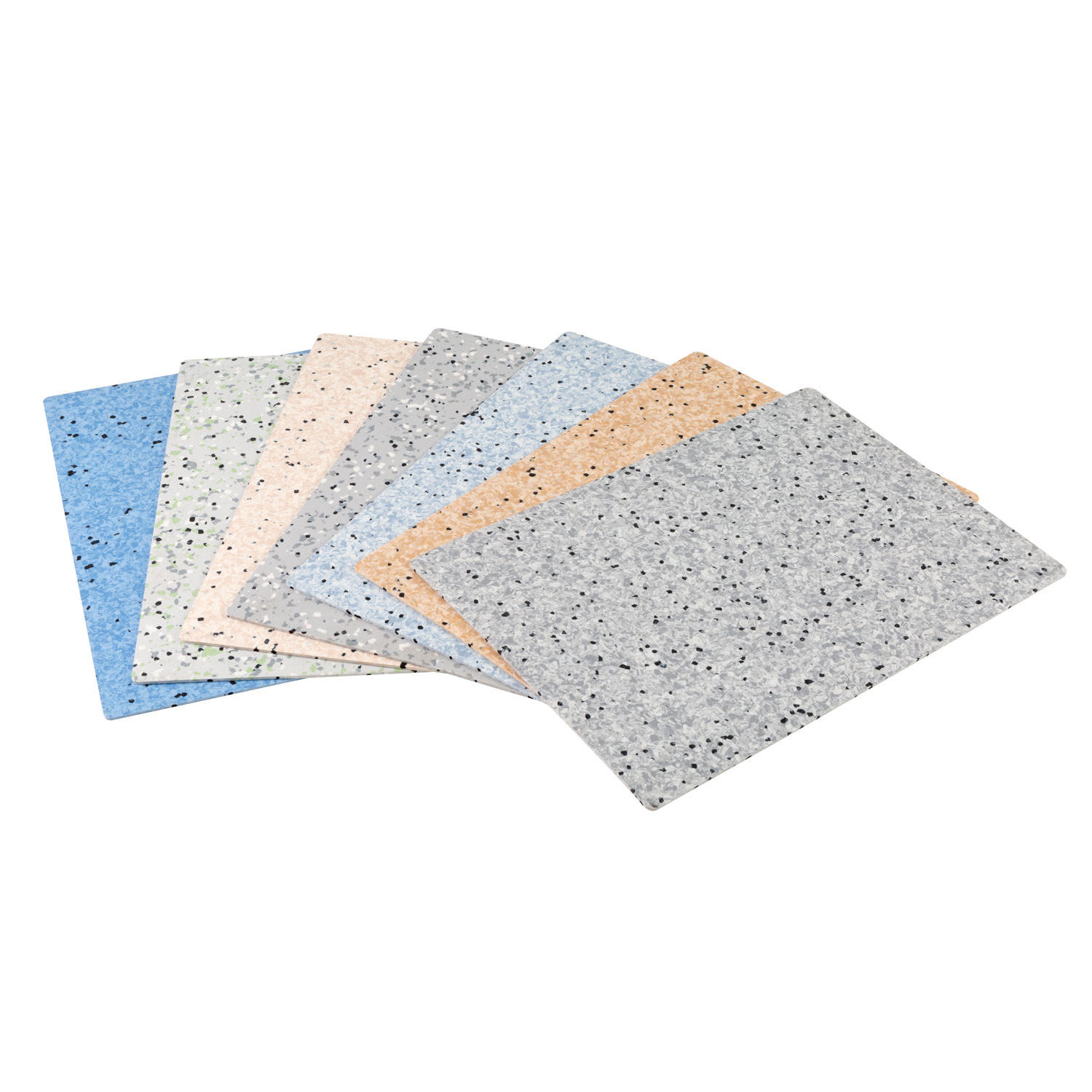
Compact homogeneous vinyl floorings are tough and ultra-durable solutions for heavy and very heavy traffic areas, especially recommended for applications in healthcare and education for their resistance and ease of cleaning.
Non Slip Homogeneous PVC Flooring IS one of the most popular new type light floor decoration materials in the world, also called "light floor material".
Should you put a mat in the kitchen?
While it might seem counter-intuitive to put a valuable area rug in a kitchen, it is a must-do to protect your floors, whether they are hardwood or marble. Protect your hardwood floors from scratches, scuffs, early aging, and becoming stained from spills with kitchen area rugs.
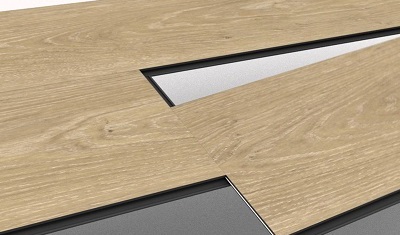
Click Lock vinyl flooring actually has a locking system – making installation as easy as simply clicking the planks together.
This installation method does not require any glue. Installation will only require a vapor barrier underlyament (depending on your subfloor) and possibly some installation tools.
SPC is industry lingo for Stone Plastic Composite or Stone Polymer Composite (these terms are used interchangeably). It describes the ultra-tough core of rigid core luxury vinyl flooring. The stone plastic composite makes that core layer virtually indestructible, maintaining its form even on top of uneven subfloors.
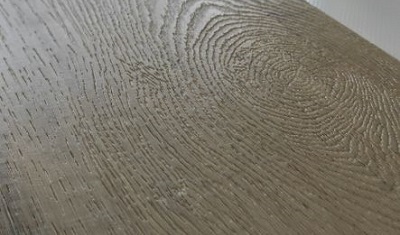
Veneer SPC Vinyl Flooring is the abbreviation of solid wood composite vinyl flooring. It originates from European technology, and is made up of natural precious wood as the panel, and the environmentally friendly, waterproof and flame retardant wood plastic or microcrystalline stone as the innovative composite of the substrate.