Reduced Footfall Sharpness
The resilient layer helps soften impact energy from walking and everyday movement, making bedrooms, corridors and upper-floor spaces feel less hard and echo-prone.



Reduce harsh footfall sound without sacrificing waterproof performance, click-lock stability or commercial durability. 3C-Floor configures SPC planks, wear layers and IXPE, EVA or cork backing as one repeatable product specification.
Acoustic SPC flooring is waterproof stone-plastic composite flooring engineered with a resilient sound-control layer beneath the rigid core. The backing helps reduce the sharp, hollow sound of foot traffic and improves walking comfort. It is most effective when the plank, pad, click profile, subfloor and floor-ceiling assembly are specified together rather than selected as separate commodities.
Many product pages describe sound reduction as if adding more foam automatically creates a quieter floor. In real installations, excessive softness can increase movement below the plank and place stress on click joints. A better acoustic floor balances resilience with controlled support.
3C-Floor begins with the actual application: upper-floor apartments, hotel guest rooms, office fit-outs, senior living, rental renovation or a premium retail collection. We then match core thickness, wear layer, plank format, backing material, density, surface direction and packaging to that use.
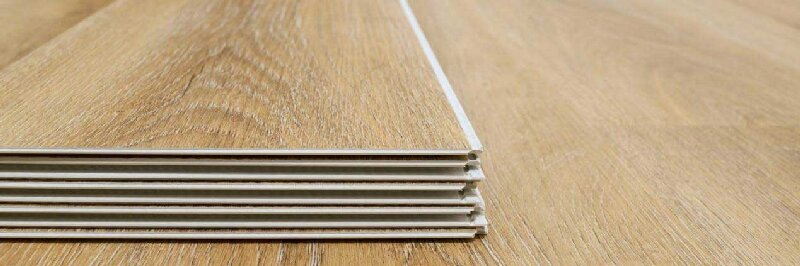
A successful product creates a quieter, more solid walking experience while preserving the practical benefits that make SPC attractive to distributors, developers and contractors.
The resilient layer helps soften impact energy from walking and everyday movement, making bedrooms, corridors and upper-floor spaces feel less hard and echo-prone.
A correctly matched pad can reduce the hollow click often associated with floating floors, improving the perceived quality of the installed product.
The dense SPC core supports kitchens, entries, hospitality rooms and multi-family interiors where moisture resistance and dimensional stability are essential.
Backing density and thickness are selected to cushion the floor without creating excessive vertical movement beneath the locking profile.
Factory-attached backing can simplify purchasing, warehouse control and jobsite material planning by combining plank and pad into one approved SKU.
Distributors can create value, mainstream and premium tiers using different backing, wear-layer and surface combinations under one coordinated collection.
The best acoustic backing is not simply the thickest option. It is the material and density that support the approved plank construction, target price, installation method and acoustic expectation.
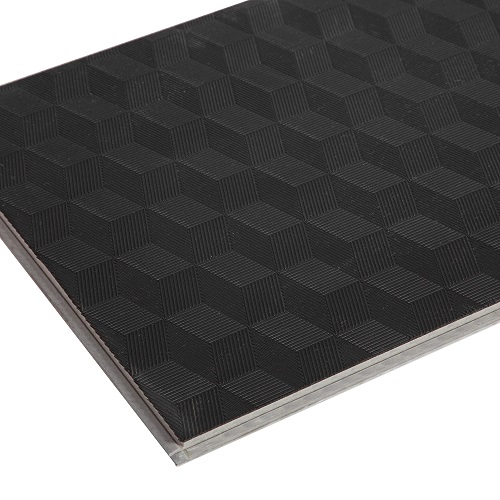
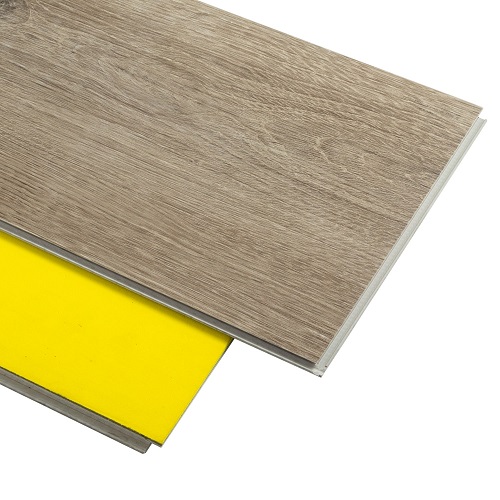
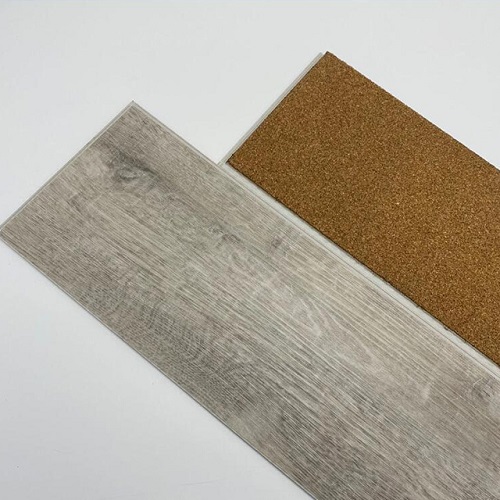
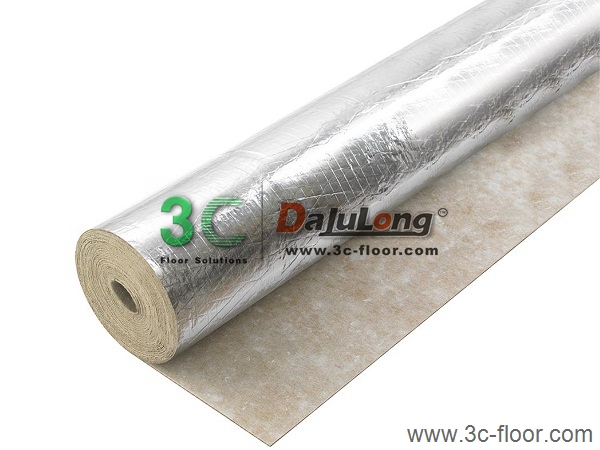
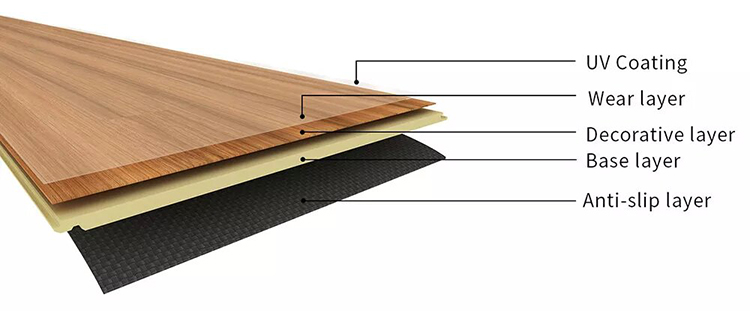
Supports stain resistance, routine cleaning and surface protection.
Matched to residential, rental, hospitality or commercial traffic.
Wood, stone and commercial visuals with matte, embossed or EIR directions.
Dense waterproof structure that supports dimensional stability and click integrity.
IXPE, EVA or cork selected for resilience, sound control, comfort and market position.
Use these ranges to prepare an initial RFQ or sample brief. Final thickness, backing density, locking profile, décor, testing and packaging are confirmed for the approved SKU.
| Program | Typical Construction | Acoustic Backing | Surface Direction | Recommended Use |
|---|---|---|---|---|
| Residential Value | 5.0–5.5 mm total; 0.3 mm wear layer | 1.0 mm EVA or project-matched IXPE | Matte embossed oak or neutral wood | Homes, rentals, renovation and dealer stock |
| Apartment & Multi-Family | 5.5–6.5 mm total; 0.3–0.5 mm wear layer | 1.0–1.5 mm IXPE / EVA | Low-gloss wood grain, EIR option | Unit interiors, bedrooms, living areas and upper floors |
| Hospitality | 6.0–7.0 mm total; 0.5 mm wear layer | 1.0–1.5 mm resilient IXPE | Warm oak, walnut, stone or custom palette | Guest rooms, serviced apartments and corridors |
| Office & Retail | 6.0–7.5 mm total; 0.5–0.7 mm wear layer | 1.0–2.0 mm project-matched pad | Commercial oak, concrete and stone visuals | Offices, meeting rooms, shops and fit-out projects |
| Premium Private Label | 6.5–8.0 mm total; 0.5–0.7 mm wear layer | Custom IXPE, EVA or cork direction | EIR, deep emboss, custom colors and bevel | Brand collections, showrooms and premium distribution |
Acoustic performance is affected by the full assembly, including slab or wood subfloor, ceiling construction, room dimensions, installation quality and transitions. Request assembly-based documentation when a project has a defined acoustic criterion.
A meaningful comparison starts with the installed system and intended room—not a single headline dB figure.
Upper-floor apartment, hotel room, office, retail fit-out and ground-floor renovation create different acoustic and traffic priorities.
Identify concrete or wood subfloor, ceiling below, moisture strategy, transitions and whether the pad is attached or separate.
A suitable pad must absorb impact while maintaining stable support below the click system over long-term use.
Join several planks on a flat surface and evaluate edge fit, movement, room sound, backing uniformity and adhesion.
Document core, wear layer, backing material, thickness, color, density, click profile, décor, texture and carton code for repeat orders.
3C-Floor combines rigid-core product development, acoustic backing selection, OEM packaging and export coordination so buyers can control the full flooring SKU from sample to repeat shipment.
3C-Floor can turn a market brief into a coordinated collection covering construction, surface, backing, packaging and commercial documentation.
These six internal resources help purchasing teams compare the base product, backing options, target applications, commercial durability and OEM development.
Acoustic SPC flooring combines a dense rigid core with a resilient attached or separate underlayment. The pad helps soften impact energy and reduce the sharp footfall sound associated with hard floating floors. Final performance depends on the complete floor-ceiling assembly, subfloor and installation method.
IXPE is commonly selected for premium acoustic positioning and stable support. EVA offers a cost-effective balance of comfort and resilience. Cork creates a dense natural-material option for selected premium collections. The best choice is the one compatible with the click profile, total construction, price target and project conditions.
Yes. It is well suited to apartments, hotels, serviced residences and offices because it combines waterproof rigid-core performance, straightforward maintenance and improved footfall comfort. When a development has a defined acoustic requirement, confirm it using a tested complete assembly.
No. A pad that is too soft or compressible may reduce support beneath the click joints. Thickness, density, resilience, backing adhesion, subfloor flatness and locking-profile requirements must be balanced. A controlled 1.0–1.5 mm pad can be more suitable than a thicker but unstable layer.
Do not automatically stack another cushioning layer below an attached-pad floor. Excessive compressibility can increase movement and stress the locking system. Follow the approved installation instructions. A compatible vapor-control membrane for concrete is different from adding another soft acoustic pad.
Provide the application, target market, total thickness, wear layer, plank size, backing material and thickness, surface direction, colors, quantity per color, packaging, destination and any required acoustic or compliance documents. A clear brief allows 3C-Floor to recommend a practical starting construction and sample plan.
Send your application, total thickness, wear layer, backing preference, plank size, color direction, order quantity, packaging and destination. 3C-Floor will help turn the brief into a stable, market-ready product specification.