- 0086 13321818576 (Steven Lee)
- info@3c-floor.com
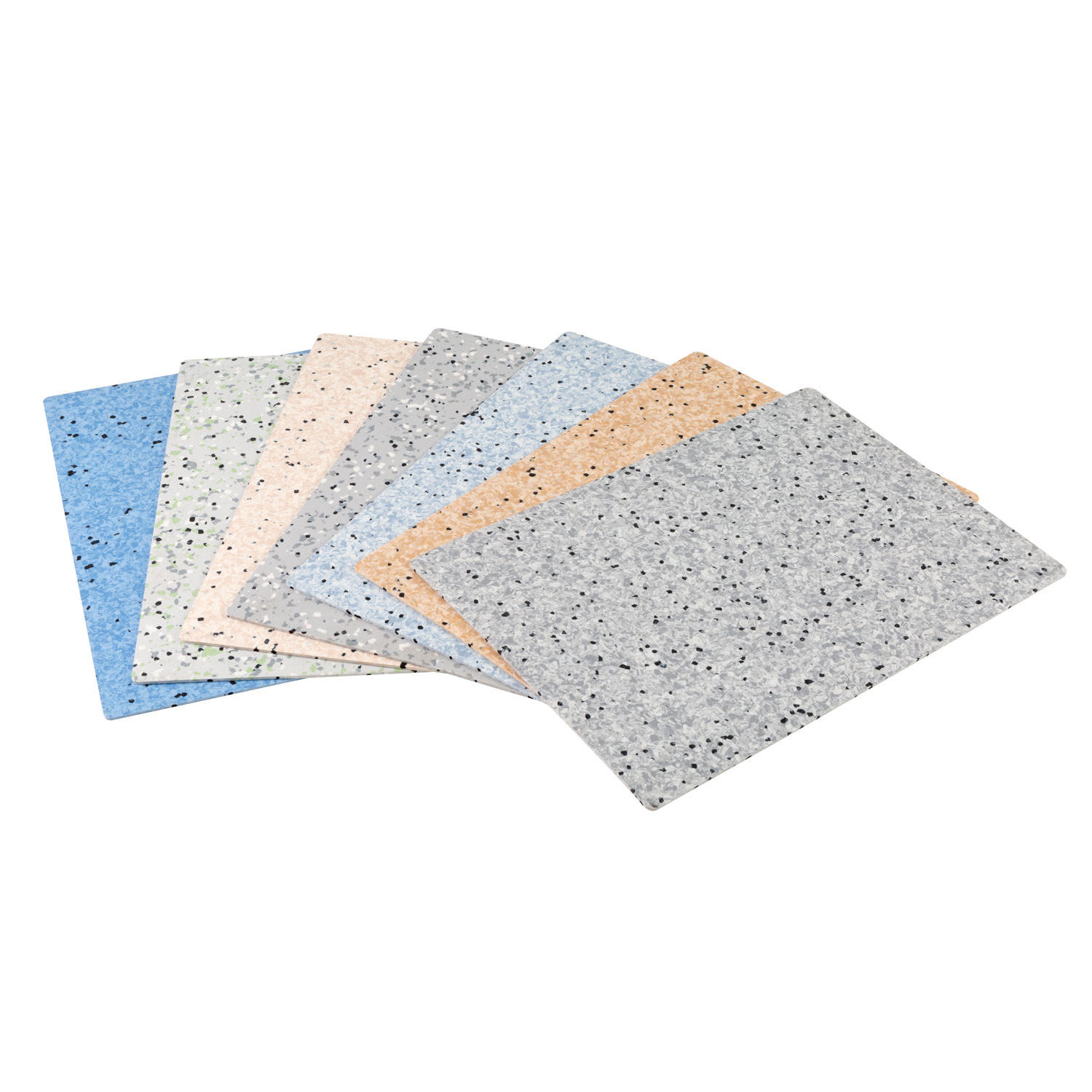
3C-Floor supplies anti-static flooring solutions for distributors, engineering contractors, cleanroom builders, industrial facility planners, laboratories, and project buyers who need stable electrostatic control, durable surface performance, and practical long-term supply support. This page is built for buyers searching for an anti-static flooring manufacturer that can support both technical requirements and commercial execution.
Whether you are sourcing ESD vinyl flooring for a semiconductor workshop, conductive PVC flooring for an electronics assembly line, static dissipative flooring for a data center, or anti-static sheet flooring for a pharmaceutical cleanroom, the buying decision is rarely based on price alone. Serious buyers also care about resistance stability, thickness options, installation compatibility, OEM customization, quality control, lead-time reliability, and project documentation support.
3C-Floor supports anti-static PVC flooring rolls, anti-static vinyl tile, conductive flooring, static dissipative flooring, and custom project-oriented ESD flooring formats. Explore our broader flooring range, then use this page to identify the right anti-static flooring structure for your market or project.
Ideal for buyers searching anti-static flooring supplier, ESD flooring manufacturer, conductive vinyl flooring factory, cleanroom flooring manufacturer, OEM anti-static PVC flooring, or custom static dissipative flooring.
Send your application, resistance target, thickness, quantity, and installation requirements for a faster quotation.
Anti-static flooring is a specialized flooring system designed to control electrostatic discharge by allowing static charges to dissipate or conduct to ground in a controlled way. It is widely selected for environments where uncontrolled static can damage sensitive electronics, interfere with instruments, attract contamination, or create operational risk.
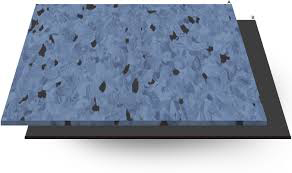
Standard vinyl flooring is not designed for electrostatic control. Anti-static flooring is engineered with conductive or dissipative properties so the floor can become part of a larger ESD protection system. Buyers who want to better understand the structure behind these systems can also read What Is the ESD Floor Made Of, which is helpful when comparing materials, layers, and functional construction.
Once resistance range, installation method, conductive adhesive, grounding details, welding, color consistency, and long-term maintenance become part of the decision, buyers usually need more than a simple seller. They need a manufacturer or supplier that understands the technical and commercial logic behind anti-static flooring projects. For a broader overview of value and use cases, see Why Use an Anti-Static Vinyl Flooring.
Often used where faster transfer of electrical charge is required and the specification calls for a lower resistance range. For this type of requirement, buyers can review our Conductive Vinyl Flooring page for a closer look at the product direction.
Designed for controlled dissipation of static charge across a higher resistance range, suitable for many electronics and data-sensitive areas.
Selected for clean, durable, maintainable surfaces in industrial, technical, and controlled-environment interiors.
Buyers in this category do not respond to generic flooring claims. They compare technical stability, installation logic, compliance support, and long-term practicality.
The core value of anti-static flooring is stable charge control. Whether the project calls for conductive or static dissipative flooring, the floor must match the intended environment and system design.
Anti-static PVC flooring is often chosen for high-use industrial and technical spaces, so abrasion resistance, dimensional stability, stain resistance, and maintainability matter in real procurement decisions.
Anti-static sheet and roll flooring can support cleaner installation lines and welded seams, which is useful in controlled environments where maintenance and hygiene are critical.
Buyers may require sheet flooring, roll flooring, or anti-static vinyl tile depending on layout logic, replacement strategy, installation preferences, and project specification.
Serious industrial buyers often need thickness adjustments, resistance-level matching, custom color direction, packaging customization, and project-specific documentation support.
The right manufacturer relationship can help reduce avoidable sourcing problems by improving pre-production communication, quality consistency, and delivery planning for repeat orders.
Actual values depend on the application, but these are the technical parameters most often discussed during anti-static flooring selection and quotation.
| Product Types | Anti-static PVC flooring rolls, anti-static PVC sheet flooring, conductive vinyl flooring, static dissipative flooring, ESD vinyl tile |
|---|---|
| Electrical Performance | Conductive flooring and static dissipative flooring options according to project resistance requirements |
| Typical Resistance Range | Common project ranges fall between 104 and 109 ohms depending on the flooring type and system specification |
| Thickness Options | Project-dependent options for different traffic levels, subfloor conditions, and lifecycle expectations |
| Formats | Roll, sheet, tile, and selected custom formats based on installation strategy and maintenance planning |
| Surface Properties | Durable finish, easy maintenance, stain resistance, and industrial-use oriented wear performance |
| Installation System | Subfloor preparation, conductive adhesive, grounding or copper strip system where required, flooring installation, welding and finishing based on product type. For seamless sheet-style projects, buyers can also review Anti-Static Vinyl Flooring Rolls to compare format suitability. |
| Customization | OEM / ODM / private label, custom thickness, custom color, custom packaging, custom resistance level alignment, project solution matching |
| Compliance Support | Specification review and project-oriented documentation support based on customer standard and market requirements |
| Use Environments | Cleanroom, electronics manufacturing, semiconductor, data center, telecommunication room, laboratory, pharmaceutical, selected healthcare and industrial spaces |
The right choice depends on the operating environment, equipment sensitivity, grounding strategy, and the project’s required resistance range. This is one of the most important conversations before samples are approved.
Anti-static flooring performance depends not only on the material itself, but also on correct subfloor preparation, adhesive choice, grounding design, seam treatment, and onsite installation quality.
Share your resistance target, site use, format preference, and quantity so we can quote more accurately.
Anti-static flooring is chosen when the floor becomes part of the protection strategy for equipment, product quality, operational stability, or environmental control.
Useful for pharmaceutical, electronics, medical, and controlled-environment facilities where ESD control and cleanability both matter. For more application-specific detail, see Cleanroom Anti-Static PVC Roll Flooring.
PCB assembly, circuit production, precision component handling, and ESD-sensitive manufacturing areas often require controlled electrostatic flooring systems.
Semiconductor environments demand materials and installation systems that support strict operational control and sensitive equipment protection.
Data infrastructure spaces often require flooring that supports electrostatic control, maintainability, and practical long-term facility management.
Research labs, testing environments, and instrument rooms benefit from flooring systems that help manage static and support daily technical use.
Communication facilities, monitoring rooms, and electrical control environments often require flooring with reliable anti-static properties.
Anti-static sheet flooring and welded seam solutions are often considered where process cleanliness and controlled performance matter.
Selected hospital labs, technical rooms, and support areas may require specialized resilient flooring with anti-static functionality.
Anti-static flooring can be useful in assembly, automation, precision manufacturing, and environments with sensitive devices or static-sensitive materials.
Buyers in this category usually need a partner that can connect specification logic, factory execution, and project communication in one sourcing process.
3C-Floor’s broader product structure helps buyers who already work across resilient technical flooring categories and want a more coordinated sourcing relationship instead of isolated one-off purchasing.
Anti-static flooring projects often require more than a stock product. We support custom direction based on resistance range, thickness, format, color planning, packaging, and project-oriented specification alignment.
For anti-static flooring, consistent manufacturing and installation compatibility matter as much as the product headline itself. Buyers need stable batch quality and clearer communication before the order goes into production.
Industrial project schedules can be sensitive. A dependable supplier should help reduce avoidable delay through clearer sampling, better order planning, more transparent production follow-up, and shipment coordination.
Anti-static flooring is not purely a decorative material. It is a technical flooring solution. That means buyers benefit from working with a supplier that understands cleanroom logic, industrial application needs, and the commercial importance of accurate product matching.
Whether you are a distributor, engineering contractor, cleanroom integrator, or facility procurement team, long-term sourcing confidence matters. See more flooring categories across the 3C-Floor product range.
Buyers often compare anti-static PVC flooring with other industrial flooring systems based on ESD control, cleanability, maintenance cost, installation flexibility, and repair practicality. If your project is still deciding between modular and continuous-surface options, you can also review ESD Vinyl Tiles vs ESD Vinyl Sheets for a more detailed format comparison.
| Comparison Factor | Anti-Static PVC Flooring | Standard PVC Flooring | Epoxy ESD Floor | Raised Access Floor |
|---|---|---|---|---|
| Electrostatic Control | Designed specifically for conductive or dissipative performance | Not intended for controlled ESD performance | Can support ESD performance depending on system design | Can be part of an ESD facility solution depending on finish and structure |
| Maintenance Practicality | Good balance of maintainability and technical use value | Easy to maintain but lacks ESD function | Can be durable but repair and surface renewal logic differs | Useful in specific infrastructure-heavy environments |
| Installation Strategy | Adhesive-based sheet, roll, or tile systems with ESD installation requirements | General resilient floor installation | Different substrate preparation and curing workflow | Panel system for raised flooring infrastructure |
| Use Environment | Cleanroom, electronics, data center, labs, industrial technical zones | General commercial or residential interiors | Industrial and technical spaces depending on spec | Server rooms and technical areas with underfloor access needs |
| Commercial Balance | Strong option where ESD control and resilient flooring practicality are both needed | Lower technical suitability for ESD spaces | May fit certain heavy-duty strategies | Useful where access-floor functionality is a priority |
Tell us the application and required resistance range. We will help narrow the right format and specification.
This is a commercially realistic example of how buyers evaluate an anti-static flooring manufacturer for industrial or controlled-environment use.
A contractor working on an electronics production expansion needed anti-static flooring for multiple spaces including assembly areas, testing rooms, and support zones. The project required a supplier that could help narrow the right conductive or dissipative specification, maintain consistent visual appearance, and coordinate packaging and shipment to fit the installation schedule.
Instead of treating the order as a simple commodity purchase, the solution focused on application review, flooring type selection, format confirmation, and project communication. This helped reduce sourcing risk and improved the clarity of both specification and delivery planning.
The real value was not only the flooring material itself, but also a more organized sourcing path: clearer technical matching, better order follow-up, easier project communication, and stronger long-term supply confidence for future phases or repeat orders.
A structured workflow improves quotation accuracy and reduces misalignment between technical requirements and factory execution.
We review the site use, required resistance target, traffic level, cleanability needs, and installation conditions.
Conductive flooring, static dissipative flooring, tile, sheet, or roll formats are narrowed based on actual project logic.
Thickness, color, resistance level, and installation route are aligned before bulk production planning.
Price, quantity, packaging, project timing, and shipment coordination are clarified for smoother execution.
Manufacturing moves with attention to consistency, product matching, and order communication.
Better first-order communication creates a more stable path for future expansion, maintenance areas, and repeat supply.
These are the questions buyers most often ask before requesting samples or final quotation.
Anti-static flooring is a flooring system designed to control electrostatic charge by dissipating or conducting static electricity in a controlled way. It is commonly used in technical and industrial environments where static can create operational risk.
Conductive flooring usually operates in a lower resistance range and transfers charge more quickly, while static dissipative flooring controls the release of charge more gradually. The correct option depends on the project requirement and application type.
ESD vinyl flooring is widely used in cleanrooms, electronics factories, PCB workshops, semiconductor facilities, data centers, telecommunication rooms, laboratories, pharmaceutical plants, and selected healthcare technical areas.
Yes. OEM and custom options can include thickness, color, resistance level, packaging, branding, and specification matching based on project or market requirements.
Please send the application environment, project size, required resistance range, preferred format, thickness target, installation condition, quantity, and whether you need OEM or private label support.
No. Cleanrooms are an important use case, but anti-static flooring is also widely used in electronics assembly, server rooms, telecom areas, testing rooms, industrial workshops, and other ESD-sensitive spaces.
Yes. Subfloor condition, adhesive choice, grounding design, copper strip layout where required, welding, and onsite workmanship all influence final system performance.
A manufacturer can usually provide better support for resistance matching, OEM customization, technical communication, quality consistency, and long-term repeat-order planning.
Send your application, resistance target, thickness, quantity, format preference, and OEM requirements. 3C-Floor will help you build a more practical anti-static flooring sourcing plan for cleanroom, electronics, laboratory, data center, or industrial projects.