- 0086 13321818576 (Steven Lee)
- info@3c-floor.com
Black LVT flooring is luxury vinyl tile or plank developed in true black, ebony, charcoal, black slate, dark stone or near-black wood visuals. It is especially useful for retail, hospitality, offices, restaurants, showrooms and design-led residential collections that need a strong architectural color without giving up the practical specification choices of LVT. 3C-Floor can develop black LVT programs around glue-down, click or loose-lay formats, with the wear layer, overall thickness, tile/plank size, texture, edge detail, décor direction and private-label packaging matched to the buyer’s market.
For bulk orders, define undertone, gloss, grain, tile/plank format and approved physical sample. Pure black, warm ebony, cool charcoal and black slate can read very differently after installation.
Black LVT flooring is a dark-color luxury vinyl floor available as plank or tile and in multiple installation constructions. The strongest black LVT specifications combine the right visual tone with an application-appropriate wear layer, controlled surface gloss, suitable embossing, accurate sample approval and a repeatable production reference.
Ebony, blackened oak and smoked timber visuals add grain direction and warmth. This direction works well in boutique retail, hospitality, offices and contemporary residential collections.
Slate, basalt, marble and dark concrete visuals create a more architectural floor with fewer visible plank cues. Tile formats can support clean grids, borders and zoning.
Charcoal, graphite, blue-black or warm-brown black can align better with a brand palette than a neutral black. OEM programs should lock a physical master sample before bulk production.
A common sourcing mistake is asking for “black LVT” and expecting one universal result. These four directions create different room effects and maintenance impressions.
Dark vinyl décor changes with lighting, plank direction, room size, gloss and surrounding finishes. That is why serious B2B programs should approve a physical décor sample and, where possible, a small installed board before fixing carton artwork and bulk-order color codes.
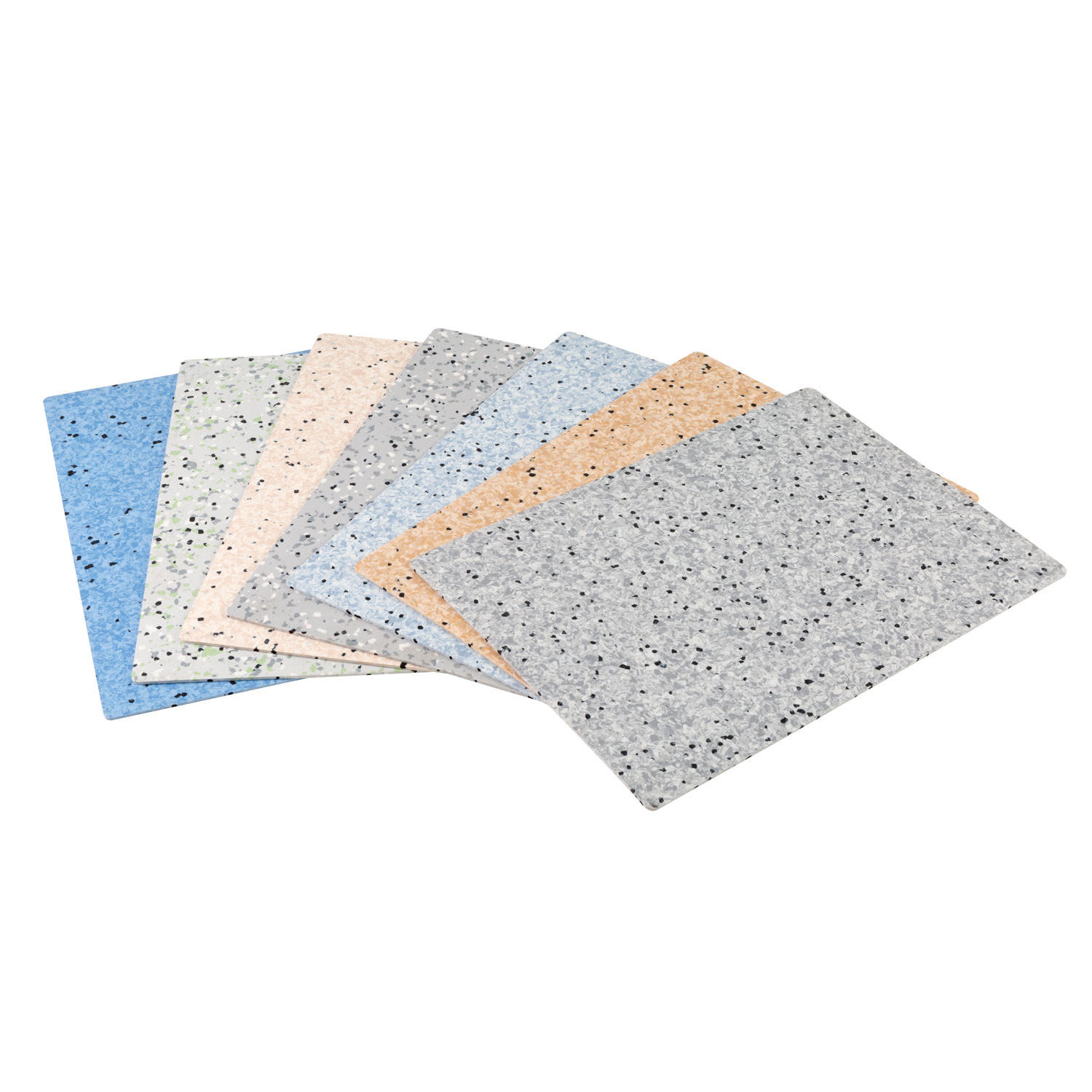
3C-Floor’s existing commercial LVT pattern pages show how one décor family can move across dark brown, grey and other tones. For a black program, the same principle matters: approve undertone, contrast, grain intensity and surface texture together.

The correct construction depends on traffic, installation method, subfloor condition, maintenance plan and target market. Use these published 3C-Floor LVT directions as a starting point, then confirm the exact SKU before ordering.
| Specification | Common / Configurable Direction | What Matters for Black LVT |
|---|---|---|
| Product format | LVT plank / LVT tile | Plank supports ebony wood looks; tile suits black slate, marble, terrazzo and concrete visuals. |
| Installation | Glue-down / dry back, click, loose lay | Choose by subfloor, renovation window, replacement strategy and project traffic—not by color. |
| Overall thickness | Varies by construction; 3C-Floor publishes 2.0–5.0 mm common LVT directions and thicker click structures on related ranges | Do not use thickness alone as a durability shortcut; combine it with wear layer, installation and core/backing design. |
| Wear layer | 0.2 / 0.3 / 0.5 / 0.7 mm directions across 3C-Floor LVT pages | Higher traffic normally requires stronger wear planning. See the LVT wear layer guide. |
| Surface | Matte, embossed, wood grain, stone texture, project-defined finish | Matte and textured black surfaces generally reduce glare and can visually soften dust and fine marks compared with high gloss. |
| Décor | Black, charcoal, ebony, slate, dark concrete, marble-look or custom direction | Approve undertone and contrast under representative lighting. |
| Edge | Square edge / micro-bevel or project direction | Bevel color matters more on a dark floor because contrast between plank face and edge can become visible. |
| Backing | Standard or project-specific backing, depending on product construction | Choose for installation method and acoustic/comfort needs rather than color. |
| OEM packaging | Neutral or private-label carton, labels, barcode and pallet marks | Use stable SKU names and color codes so reorder black shades are not mixed. |
Useful for low-profile, firmly bonded installations in stores, restaurants, hotels, offices and other commercial interiors where a controlled subfloor and permanent installation are planned.
A floating format for renovation and retail programs where installer speed and reduced adhesive use are important. Confirm floor height, subfloor flatness, locking system and perimeter details.
Useful where fast access or easier individual plank replacement matters. Backing grip, perimeter fixing, room size and rolling-load expectations need project-specific review.
Black or charcoal LVT creates a quiet background for merchandise, lighting and display fixtures. Use matte textures to reduce glare under strong shop lighting.
Black stone, slate or dark wood looks can create premium dining, lobby and corridor atmospheres. Match wear layer and cleaning plan to real traffic.
Near-black planks or tiles pair well with exposed ceilings, glass partitions and contemporary furniture. Dark floors can also define collaboration or reception zones.
Ebony plank and black tile looks fit modern kitchens, bathrooms, living spaces and apartments, especially where lighter walls balance the floor visually.
Neutral black, blue-black, charcoal and warm ebony can look similar online but very different beside walls, furniture and lighting.
High gloss magnifies reflections; deep matte can look richer but may show polishing or cleaning differences. Define the finish on the approval sample.
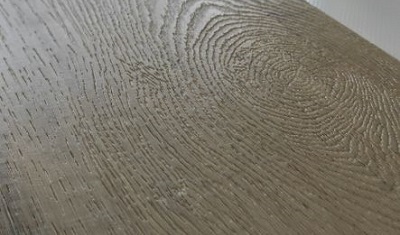
Wood grain, slate texture or fine mineral embossing changes both realism and the way the surface hides daily marks.
A contrasting bevel can unintentionally create visible grid lines on a black floor. Review edge treatment before mass production.
Record décor code, surface, approved sample and packaging SKU so repeat orders are compared against the same reference.
For projects, plan attic/maintenance stock from the same approved batch where practical, especially for highly visible dark colors.

For distributors and private-label brands, a commercially stronger dark collection usually contains several related tones rather than one isolated black. A practical family may combine a true-black feature color, one charcoal oak, one dark walnut/ebony, and one black stone or concrete design.
3C-Floor’s OEM LVT flooring program can be used to coordinate décor direction, thickness, wear layer, size, surface texture, packaging, barcode/SKU planning and repeat-order identification.
These live 3C-Floor-domain images can support Google Images indexing around the broader LVT entity while the page text establishes the black/charcoal color intent.


Review 3C-Floor LVT product types, structures and general specification directions.
Compare 0.2, 0.3, 0.5 and 0.7 mm wear-layer directions by traffic level.
Explore dry-back LVT for bonded commercial and residential installation.
Review replacement-friendly LVT for selected renovation and commercial uses.
Build custom colors, surfaces, specifications and private-label packaging.
Use a traffic-, installation- and specification-led process before ordering.
Yes. Black LVT can work well in retail, hospitality, office and other commercial interiors when the wear layer, installation method, subfloor preparation and maintenance plan are selected for the actual traffic level. Color does not replace performance specification.
Very dark, uniform floors can make pale dust, lint and some surface marks easier to notice. A textured matte surface, subtle grain or charcoal variation usually hides day-to-day visual noise better than a flat solid-black high-gloss finish.
It can make a low-light room feel more enclosed, especially when walls and furniture are also dark. Black LVT can still work in smaller rooms when paired with lighter walls, strong natural/artificial lighting, reflective accents or a less uniform charcoal/wood-grain design.
Choose black wood-look LVT when you want directional warmth and plank rhythm. Choose black stone, slate or concrete-look LVT when the design calls for a more monolithic, architectural or tile-based appearance.
Wear-layer selection should follow traffic and maintenance demand, not color. 3C-Floor publishes 0.2 mm, 0.3 mm, 0.5 mm and 0.7 mm LVT wear-layer directions across its LVT range. Ask 3C-Floor to match the exact construction to the use case.
For many commercial and residential interiors, matte or low-sheen black is easier to specify because it reduces glare and can make dust or fine surface marks less visually aggressive. Gloss can be used when the design deliberately needs stronger reflection.
Yes. 3C-Floor supports OEM and private-label LVT programs with configurable décor direction, thickness, wear layer, size, surface texture, backing and packaging, subject to final project confirmation and sample approval.
Send the installation type, overall thickness, wear layer, plank or tile size, black/charcoal visual direction, surface finish, backing, quantity, application, target market, packaging requirements, required documents and destination port.
For a useful quotation, include product type, thickness, wear layer, size, surface, backing, black/charcoal reference, quantity, application, target market, packaging, certification/document requirements and destination port. 3C-Floor can then help turn the design brief into a sample-ready LVT specification.