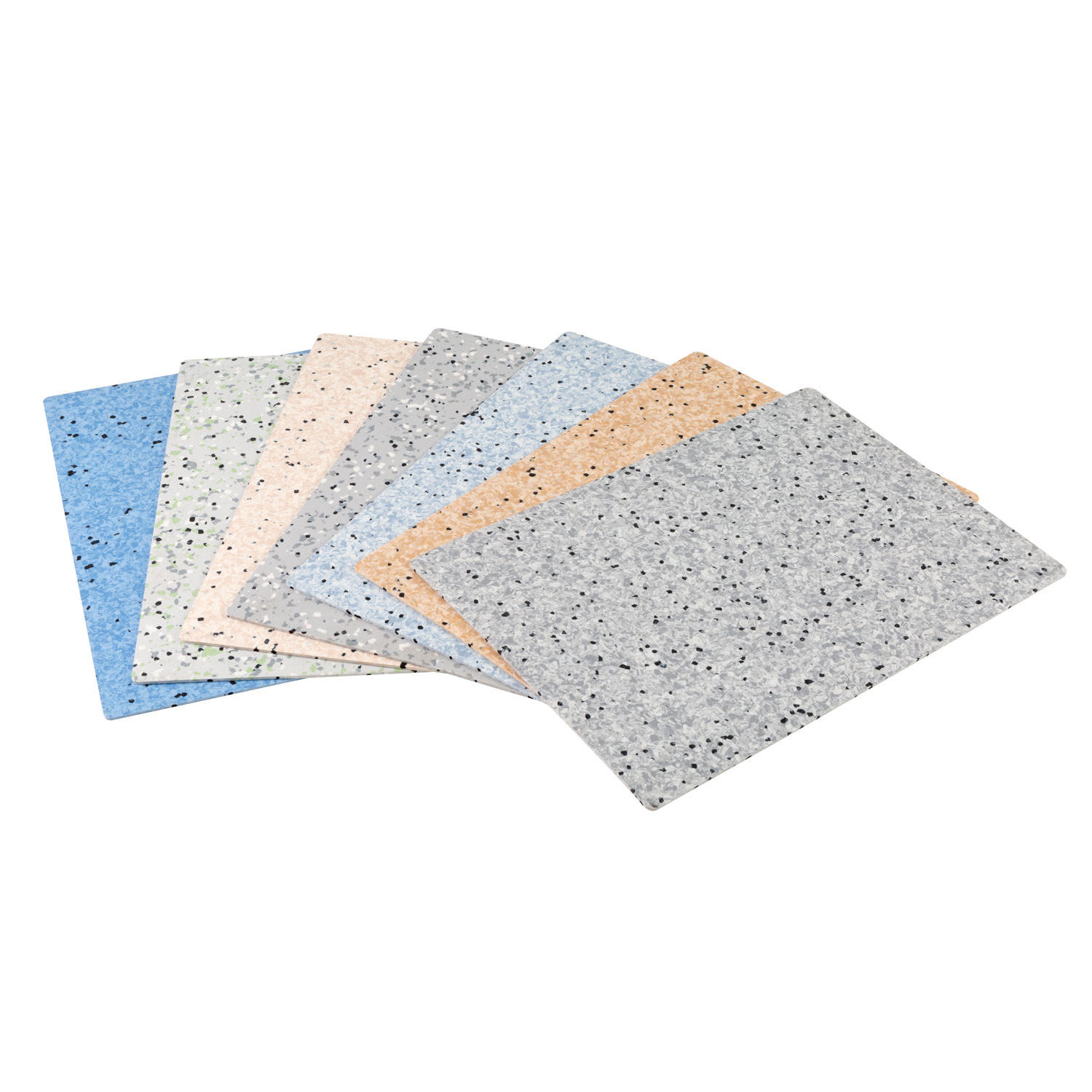
Welcome to 3C-Floor — Your Trusted Manufacturer of SPC Flooring, WPC Vinyl Flooring, LVT Flooring & PVC Flooring Rolls.
  • 0086 13321818576 (Steven Lee)
News
Current Location:Home > News

Commercial LVT Flooring Manufacturer | High Traffic LVT | 3C-Floor

Update:2026/8/7 23:39:36 Views:0
Commercial LVT · Factory-Direct Supply

Commercial LVT Flooring Built for Retail, Hotels & High-Traffic Interiors

Specify luxury vinyl tile around the way a commercial space actually operates: customer traffic, rolling luggage, display changes, cleaning cycles, installation windows and brand design. 3C-Floor supplies commercial LVT flooring in dry back, click and loose lay formats with configurable wear layers, wood and stone visuals, OEM packaging and project-oriented production support.

0.3–0.7 mmcommon configurable wear-layer range
Dry Back · Click · Loose Layinstallation systems for different project conditions
OEM / Private Labeldecor, size, finish, carton and repeat-order support
Commercial LVT flooring for retail and hospitality interiors from 3C-Floor
Commercial vinyl flooring applicationProduct image sourced from the 3C-Floor website · suitable visual direction for commercial LVT specification.
Traffic-first specification

Commercial LVT is not residential vinyl with a different label

The commercial specification begins with use conditions. A hotel corridor with rolling suitcases, a boutique with display fixtures and a busy restaurant entrance do not stress a floor in the same way. The right LVT system balances surface protection, dimensional stability, subfloor condition, installation method, maintenance and design.

A practical definition for buyers, contractors and designers

Commercial LVT flooring is a multi-layer luxury vinyl tile or plank system specified for non-residential interiors where appearance must remain stable under repeated foot traffic and routine maintenance. It reproduces wood, stone, concrete and decorative visuals while allowing project teams to choose a construction and installation method suited to the site.

In one sentence: high traffic LVT should be selected by the floor’s real workload—not by thickness alone. Wear layer, surface treatment, installation system, substrate preparation and maintenance plan work together.
Commercial specification

Choose the construction by traffic, rolling load and renovation strategy

These ranges are practical starting points for inquiry and sampling. Final construction should be confirmed against the project specification, substrate, installation system, required standards and approved technical data.

Total thickness2.0–5.0 mm

Typical LVT manufacturing range; structure varies between dry back, click and loose lay products.

Wear layer0.3 / 0.5 / 0.7 mm

Common commercial options. Match the wear layer to actual traffic and cleaning intensity.

FormatsPlank & Tile

Wood plank, stone tile, concrete, terrazzo and project-specific dimensions can be discussed.

SurfaceMatte · Embossed · EIR

Coordinate visual realism, cleanability, tactile feel and project design direction.

Commercial zoneTypical demandLVT directionWear-layer directionInstallation logic
Boutique / brand storeCustomer-facing retailDesign impact, scuff resistance, display changes, easy cleaningWood-look or stone-look commercial LVT0.5 mm is a common project starting point; upgrade based on trafficDry back for stable large-area installation; loose lay can support faster change-outs
Mall retail unitHigh traffic LVTConstant footsteps, entrance soil, seasonal layout changesCommercial LVT with reinforced surface treatment0.5–0.7 mm depending on intensity and lifecycle targetGlue-down commonly favored for busy spaces; substrate preparation is critical
Hotel guestroomComfort + designQuiet walking, luggage, housekeeping, brand aestheticsWood-look hotel LVT flooring or click/loose lay solutionProject-dependent; choose for expected room turnover and maintenanceClick or glue-down selected around acoustics, substrate and renovation window
Hotel corridor / lobbyRolling luggage + trafficContinuous movement, luggage wheels, carts, visual continuityHigher-spec commercial LVT with durable finish0.5–0.7 mm commonly considered for demanding public zonesDry back can provide a firm, low-profile system when substrate is properly prepared
Office / coworkingChairs + circulationRolling chairs, corridors, meeting rooms, acoustic expectationsCommercial plank or tile with practical finish0.3–0.5 mm for many offices; confirm heavy-use zones separatelyDry back, click or loose lay depending on access floor and fit-out strategy
Restaurant / caféSpills + frequent cleaningChair movement, food spills, cleaning cycles, entrance wearEasy-maintenance LVT with suitable surface and detailingOften 0.5 mm or higher for busy front-of-house areasAdhesive and substrate selection should reflect moisture and cleaning conditions
Three installation families

One LVT category, three different project strategies

Commercial buyers often compare products only by thickness and price. Installation format can have a bigger effect on downtime, repair logic, floor height and long-term stability than a small thickness difference.

Dry Back LVT

Firm, low-profile commercial installation

Glue-down LVT is frequently specified for retail, hotel corridors, offices and design-led interiors where a well-prepared substrate and a stable bonded floor are priorities.

  • Good for large continuous areas
  • Low build-up height
  • Supports patterns, borders and zoning
  • Requires disciplined subfloor preparation and adhesive selection
Click LVT

Useful when renovation speed matters

Click systems can reduce adhesive work and support selected renovation or hospitality programs, provided the locking profile, floor flatness and rolling-load conditions fit the project.

  • Floating installation workflow
  • Useful for refurbishment
  • Easy plank-level installation sequence
  • Subfloor flatness and expansion planning remain important
Loose Lay LVT

Replacement-friendly for phased interiors

Heavy-backed loose lay products can be attractive for spaces where access, future replacement or reduced renovation disruption is important.

  • Faster access to individual pieces
  • Practical for selected offices and hospitality projects
  • Can support phased fit-out strategies
  • Perimeter fixing and room conditions must follow the approved system
Retail LVT

A retail floor must work under both customers and merchandise

Retail LVT is judged under bright lighting and constant movement. The floor has to support the brand concept while tolerating customer traffic, staff movement, display racks, chair legs, shopping activity and frequent cleaning. For multi-store rollouts, repeatability becomes just as important as the initial design.

Design under retail lightingReview color temperature, gloss and embossing with the actual store concept rather than a small digital image.
Entrance and traffic-path planningHigh traffic is rarely uniform. Entrances, queue lines, cash desks and main aisles deserve separate consideration.
Chain-store repeatabilityLock the reference decor, construction, carton code and batch documentation so future stores can follow the same specification.
Hotel LVT flooring

Hospitality specification changes from guestroom to lobby

Hotels combine quiet private spaces with some of the busiest public circulation zones in a building. The most efficient specification may use different LVT constructions by area while keeping a coordinated wood or stone design language.

Guestrooms

Comfort, quiet and fast room turnover

Hotel guestroom flooring needs a warm visual, practical housekeeping and comfortable walking. Select the system around acoustic expectations, floor build-up and room renovation strategy.

  • Wood-look LVT for warmer hospitality design
  • Matte finish to reduce visible scuffs
  • Click, dry back or selected loose lay systems
  • Coordinate skirting and transitions before installation
Corridors

Rolling luggage changes the loading pattern

Corridors combine repeated foot traffic with wheels from luggage and housekeeping carts. Specify the wear layer, adhesive system and substrate preparation around these concentrated paths.

  • Higher-traffic wear-layer direction
  • Durable surface treatment
  • Firm installation and smooth transitions
  • Plan attic stock for future localized repairs
Lobby & F&B

Brand experience meets maintenance reality

Lobby, lounge and restaurant floors are part of the guest’s first impression. LVT supports wood, stone, herringbone, border and zoning concepts without the maintenance profile of many natural materials.

  • Mix plank and tile visuals for zoning
  • Coordinate slip and entrance strategy
  • Review cleaning chemicals and chair movement
  • Use a mock-up for lighting and visual approval
Design that still performs

Wood, stone and custom visuals can become part of wayfinding and brand identity

Commercial LVT is not limited to “wood plank.” A well-planned collection can separate customer zones, define circulation, soften hotel guestrooms, create premium retail displays and give multi-site projects a repeatable visual language.

Wood-look commercial LVT

Oak, walnut, ash and contemporary neutral woods work especially well in hospitality, retail, office and restaurant interiors. EIR or embossed surfaces can improve visual realism, while matte finishes often make commercial maintenance more forgiving.

A
Plank proportionUse plank width and length to support the scale of the room rather than selecting by catalog habit.
B
Pattern directionStraight lay, herringbone or directional zoning can change how customers read a space.

Stone-look and design-led LVT

Concrete, marble, slate and terrazzo directions can create a more architectural commercial floor while keeping modular replacement and resilient-floor maintenance advantages.

A
Tile scaleLarger visual modules can suit hotel lobbies and premium retail, while smaller formats can create more detailed zoning.
B
Batch visual controlFor phased projects, retain approved references and plan quantities by area to reduce avoidable shade or pattern inconsistency.
Installation is part of the product

Many commercial flooring failures start below the LVT

A premium wear layer cannot compensate for an unsuitable substrate, excessive moisture, poor flatness or the wrong adhesive. For commercial projects, substrate evaluation should happen before final product release—not after delivery.

STEP 01

Survey the substrate

Identify concrete, old resilient floor, raised access floor or other substrate and confirm whether removal or overlay is permitted.

STEP 02

Check flatness & moisture

Commercial click and glue-down systems both rely on a substrate within the installation requirements.

STEP 03

Confirm installation system

Match adhesive, click or loose lay system to traffic, floor height, access needs and renovation window.

STEP 04

Build a mock-up

Approve color, texture, gloss, direction, transitions and edge details under real lighting where possible.

STEP 05

Protect the finished floor

Coordinate post-installation protection so other trades do not damage the surface before handover.

Lifecycle value

Easy maintenance is a specification advantage only when the cleaning plan matches the finish

Commercial LVT is popular because routine care can be straightforward, but the best maintenance result comes from controlling the dirt before it becomes abrasion. Entrance matting, frequent dry soil removal, appropriate damp cleaning and furniture protection can have a larger lifecycle effect than aggressive restorative cleaning.

1
Stop grit at entrancesFine abrasive soil is one of the main reasons traffic lanes lose appearance.
2
Use appropriate neutral cleaningAvoid assuming stronger chemicals create a better result; follow the approved maintenance guidance.
3
Protect rolling and fixed furnitureChair glides, caster selection and display movement should be considered during the fit-out.
Cost control

Compare lifecycle cost, not only price per square meter

A low initial material price can be erased by substrate correction, lost trading hours, difficult replacement, inconsistent repeat orders or an under-specified wear layer. Commercial procurement works better when the quote separates product construction from installation and operational assumptions.

1
Material configurationTotal thickness, wear layer, surface treatment, size, embossing and installation type.
2
Project quantitiesNet floor area, cutting allowance, spare stock, phased delivery and future replacement stock.
3
Supply executionCarton markings, pallet plan, approved sample reference, production batch and shipment timing.
Why 3C-Floor

A commercial LVT supplier should help control the specification after the sample is approved

3C-Floor supports LVT alongside SPC, WPC and PVC flooring systems, giving distributors and project buyers room to build a commercial program by application rather than forcing one construction into every space.

From OEM collection development to project delivery

For commercial LVT flooring, the useful factory conversation covers more than a décor number. 3C-Floor can work from a target application and build an order-ready specification around construction, appearance, packaging and repeat-order needs.

Specification matching
Thickness, wear layer, finish, embossing, edge and installation system.
OEM & private label
Custom cartons, labels, product naming, pallet marks and collection positioning.
Commercial design direction
Wood, stone, concrete, terrazzo and custom market-oriented visuals.
Sample-to-production control
Approve the reference before bulk production and keep repeat-order records clear.
Project packaging
Zone, SKU or phased-delivery identification can be discussed for installation efficiency.
Export coordination
Quotation, packing, production follow-up and shipping preparation for international buyers.
Commercial inquiry workflow

Turn a broad “LVT price” request into a quote you can actually compare

The fastest way to get a useful commercial LVT quotation is to define the application first. A project brief reduces back-and-forth and makes supplier comparisons more meaningful.

01 · USE

Define the space

Retail, hotel, office, restaurant, corridor, lobby or mixed-use project.

02 · LOAD

Describe traffic

Foot traffic, carts, luggage, chairs, display movement and entrance conditions.

03 · SPEC

Choose the target

Thickness, wear layer, plank/tile size, surface and installation system.

04 · BRAND

Confirm visuals

Color family, pattern, embossing, gloss, carton and private-label needs.

05 · DELIVERY

Plan quantity & timing

Area, waste factor, attic stock, destination, required date and phased shipment needs.

Related 3C-Floor resources

These six internal pages connect the product structure, retail and hospitality applications, commercial vinyl alternatives and the two most important LVT visual families.

Commercial LVT FAQ

Questions buyers ask before samples and quotation

Use these answers as a specification starting point. Final requirements should follow the approved product data, installation system and local project standards.

What wear layer is recommended for commercial LVT flooring?

For many medium-to-heavy commercial interiors, 0.5 mm is a common starting point, while 0.7 mm may be considered for more demanding traffic. The correct choice depends on foot traffic, rolling loads, entrance conditions, cleaning routines and the required service life. A thicker wear layer alone does not correct poor subfloor preparation or an unsuitable installation system.

Is LVT suitable for high-traffic retail stores?

Yes. Commercial LVT is widely used in boutiques, showrooms, mall stores and other customer-facing interiors because it combines design flexibility with practical maintenance. For high traffic LVT, pay particular attention to the entrance zone, wear layer, surface treatment, rolling loads, adhesive or locking system and floor protection during store fit-out.

What is the best installation method for commercial LVT?

There is no single best method for every project. Glue-down dry back LVT is commonly selected for busy, large commercial areas because it provides a low-profile bonded floor. Click LVT can support renovation speed, while loose lay can be useful where future access or fast replacement matters. Subfloor condition and traffic should drive the decision.

Can commercial LVT be used as hotel LVT flooring?

Yes. Hotel LVT flooring can be specified for guestrooms, corridors, lobbies, restaurants and other hospitality areas. Guestrooms may prioritize comfort and renovation speed, while corridors and lobbies require stronger consideration of rolling luggage, continuous traffic, entrance soil, cleaning cycles and visual continuity.

Can 3C-Floor customize retail LVT or hotel LVT for private label brands?

Yes. OEM and private label programs can include decor selection, plank or tile dimensions, total thickness, wear layer, embossing, surface finish, installation format, backing, cartons, labels, pallet marks and agreed technical documentation. For chain programs, it is useful to keep a clear approved-sample and SKU reference for repeat orders.

What should I send to receive an accurate commercial LVT quote?

Send the project or market application, quantity, preferred thickness and wear layer, plank or tile size, installation method, design direction, surface finish, packaging requirements, destination and required delivery timing. Also include any fire, slip, acoustic or VOC documentation required by the project so the product can be matched before sampling.

Start with the application, not a generic price list

Need commercial LVT for a retail rollout, hotel project or private-label collection?

Send your floor area, traffic level, target wear layer, installation method, visual direction, packaging requirement and destination. 3C-Floor can help convert those details into a sample direction and factory-based commercial LVT quotation.

Commercial LVT Project Quote Retail · Hospitality · High Traffic · OEM · Export Supply Request A Quote →
Recommended page URL: https://www.3c-floor.com/commercial-lvt-flooring.html · Manufacturer website: 3C-Floor
Landlord hotline:
+86-021-54361792
Email:
info@3c-floor.com