- 0086 13321818576 (Steven Lee)
- info@3c-floor.com
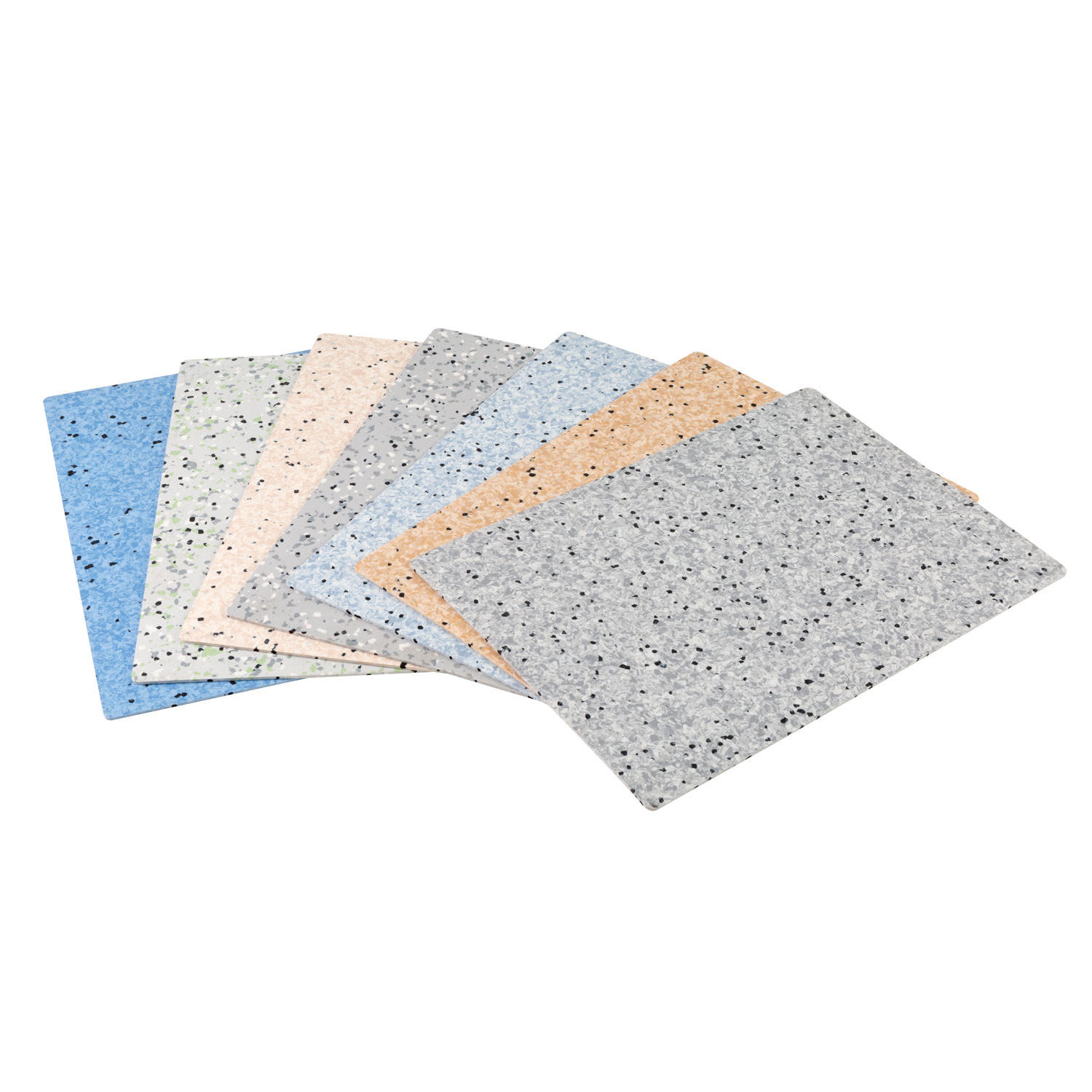
Directional homogeneous vinyl flooring is a through-body commercial vinyl sheet with a visible pattern orientation, supplied in roll format for healthcare, education, retail, office and public interiors. The key purchasing difference is not simply color: the roll direction must be planned consistently across rooms, seams and repeat areas. 3C-Floor supplies directional vinyl roll programs with project-based color selection, glue-down installation planning, welding rod coordination and OEM / bulk supply support.

A directional surface has a visible flow. Installation orientation should be decided before rolls are cut, rather than corrected after adhesive is applied.
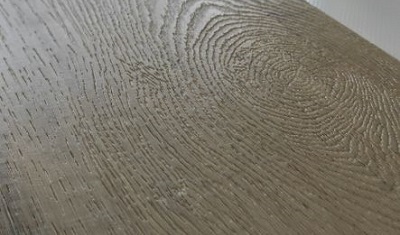
In a directional vinyl roll, the visual has a recognizable flow rather than a random chip distribution. That makes orientation a practical installation variable. Two rolls with the same color can look mismatched when adjoining sheets are rotated or when a corridor changes direction without a planned transition.
Buyer takeaway: approve the color and the installation direction together. A small sample confirms tone and surface; a room plan confirms whether the visual flow will work across corridors, doorways, bays and connected spaces.
For buyers evaluating the wider category, 3C-Floor's homogeneous PVC flooring range provides the broader through-body flooring context. This page focuses specifically on the directional roll variant and the extra planning it requires.

Both belong to the homogeneous vinyl family, but they create different visual and installation behavior. The choice should be based on the design brief, room geometry, installer workflow and maintenance expectations—not on pattern preference alone.
Directional and non-directional patterns solve different design and layout problems. The correct product is the one that matches the project brief. Buyers comparing sheet constructions can also review 3C-Floor's heterogeneous vinyl flooring when printed visuals or multi-layer structures are a higher priority.

A meaningful quotation needs a defined construction and project context. A low unit price is not useful if color direction, roll planning, welding accessories or packaging assumptions change later.
| Specification Item | 3C-Floor Direction / Available Reference | Why It Matters to the Buyer |
|---|---|---|
| Product type | Directional homogeneous vinyl flooring roll | Separates this program from non-directional homogeneous and heterogeneous sheet flooring. |
| Construction | Homogeneous / through-body vinyl construction | Color and material run through the product body rather than relying on a separate printed décor layer. |
| Pattern | Directional | Sheet orientation must be recorded on layout drawings and installation instructions. |
| Roll width | 2 m listed for the current 3C-Floor directional roll product | Determines seam spacing, cutting yield, corridor layout and roll allocation. |
| Roll length | 20 m listed for the current directional roll product | Used to estimate cutting plan, waste allowance and roll count. |
| Overall thickness | 2.0–3.0 mm listed by 3C-Floor | Select according to project specification and the complete floor system, not thickness in isolation. |
| Surface direction | UV-treated direction is referenced in 3C-Floor's existing directional product information | Surface treatment influences maintenance planning and stain/scratch management; confirm final product sheet. |
| Installation | Full-area glue-down direction | Subfloor condition, adhesive compatibility, acclimation and installer skill directly affect final appearance. |
| Seam treatment | Color-matched or coordinated welding rod can be discussed | Important for healthcare, education and other projects where sheet joints are intentionally welded. |
| Color / OEM | Project color selection and B2B customization available subject to confirmation | Distributors and projects should freeze color reference, label and packing requirements before bulk production. |
Final technical data, project standards and any required test documentation should be confirmed against the exact product specification before ordering.
Directional flooring is visually unforgiving when one sheet is reversed. A simple pre-installation control plan reduces avoidable rework.
Record an arrow or orientation reference on approved samples, roll labels and cutting plans so the same direction is understood by procurement, warehouse and installer teams.
Corridors, entrances and long rooms amplify directional flow. Decide whether the pattern should run with the main traffic axis or another architectural reference.
Where practical, verify adjacent sheet direction and color relationship before committing the floor to adhesive. The check is faster than correcting a rotated sheet later.
Seam location affects both appearance and hygiene detailing. 3C-Floor also supplies vinyl floor welding rod for sheet-floor joint coordination.
Keep the approved color, surface, thickness, roll specification and direction note together. Repeat orders should reference the frozen specification rather than a color name alone.
A linear visual can make telegraphing, ridges and poorly prepared seams easier to notice. Subfloor flatness, moisture condition and adhesive selection remain core installation variables.

Directional vinyl is particularly useful when the floor is expected to guide the eye through long circulation areas while still delivering the practical advantages of commercial sheet flooring. Healthcare is a common specification context, and buyers can review the broader 3C-Floor hospital flooring solutions when room-by-room requirements extend beyond one product type.
A stronger product page should help buyers reject the wrong option. Directional homogeneous vinyl is not automatically the correct answer for every commercial project.
If many rooms rotate 90 degrees, have small cut-ins or require frequent future patching, a non-directional visual may simplify appearance control.
If the design brief requires realistic wood, marble, terrazzo or other printed imagery, a heterogeneous sheet construction may offer more visual freedom.
ESD, safety, acoustic, conductive, cleanroom or chemical-resistance requirements should be specified first. Do not assume a standard directional roll automatically satisfies special standards.
For hospitals and cleanability-focused projects, buyers often ask about antibacterial or antimicrobial flooring. Those features, testing requirements and project documentation should be confirmed on the exact product rather than inferred from the category. See 3C-Floor's antibacterial vinyl flooring guidance for room-by-room hygienic flooring selection.
Importers, distributors, contractors and private-label buyers need more than a color card. The commercial goal is to create a specification that can be quoted, sampled, approved, packed and repeated.
Approve a physical color/sample code and record the directional orientation. Do not rely on screen color alone.
Estimate area, seam position, cutting waste and corridor direction from the 2 m roll format before final quantity confirmation.
Confirm welding rod or related installation accessories with the same project color logic where welded seams are specified.
For OEM programs, confirm labels, roll marks, packaging, documentation and destination requirements before bulk production.
If your purchase includes multiple resilient sheet structures, the broader 3C-Floor PVC flooring roll range can help organize homogeneous, heterogeneous and related roll-flooring options under one sourcing program.
A detailed RFQ lets 3C-Floor match the product and project instead of quoting an undefined “vinyl roll.”
Directional homogeneous vinyl flooring is a commercial vinyl sheet whose material and color extend through the body while the visible pattern has a clear orientation. The roll direction therefore needs to be controlled during layout and installation.
Directional vinyl has a visible linear or flowing orientation that should be aligned consistently. Non-directional homogeneous vinyl uses a more random pattern, so orientation is less visually dominant. The better option depends on design intent, room geometry, installation planning and the written project specification.
3C-Floor's existing directional homogeneous vinyl roll product is listed at 2 m wide × 20 m long, with overall thickness from 2.0 mm to 3.0 mm. Final specifications should be confirmed before quotation and sampling.
Traditional homogeneous vinyl is through-body construction rather than a printed décor protected by a separate transparent wear layer. For procurement, focus on the complete homogeneous construction, thickness, surface treatment and verified performance data for the exact product.
Yes, homogeneous vinyl sheet is commonly considered for healthcare circulation and other high-use interiors. The exact room requirement should still define seam welding, cleanability, slip, chemical, hygiene, static-control and documentation needs. A standard directional roll should not be assumed to satisfy every specialized clinical requirement.
Yes, welded seams can be coordinated for appropriate sheet-vinyl projects. Welding rod color, seam position, adhesive, groove preparation and installation workmanship should be treated as part of the floor system. 3C-Floor can discuss welding rod matching during project specification.
Mark an orientation arrow on the approved sample and roll plan, keep adjacent sheets aligned to the same reference, verify the layout before adhesive application and document exceptions at room transitions. This is especially important in corridors and long sightlines where a reversed sheet is easy to notice.
Send the application, required thickness, floor area or roll quantity, color direction, installation and seam requirements, welding rod needs, packaging or private-label requirements, destination and any project-specific test or documentation requirements.
Send 3C-Floor your room type, thickness, color direction, quantity, installation plan, welding requirement and destination. We can review a practical directional vinyl roll route for sampling and quotation.