- 0086 13321818576 (Steven Lee)
- info@3c-floor.com
Dry Back Vinyl Plank Flooring, also known as glue-down vinyl plank, has become one of the most in-demand resilient flooring solutions across commercial buildings, hospitality projects, retail spaces, schools, hospitals, and modern homes. Compared with click vinyl options, dry back planks deliver superior dimensional stability, easier replacement, long-lasting performance under heavy foot traffic, and a cost structure highly friendly for large-scale projects.
In this comprehensive, Google-optimized guide designed for contractors, wholesalers, importers, and designers, 3c-floor provides a fully technical, professional, and practical overview of Dry Back Vinyl Plank Flooring — including structure, manufacturing, SPC comparison, adhesives, installation, common problems, and advanced purchasing criteria.
As required, the word flooring contains exactly
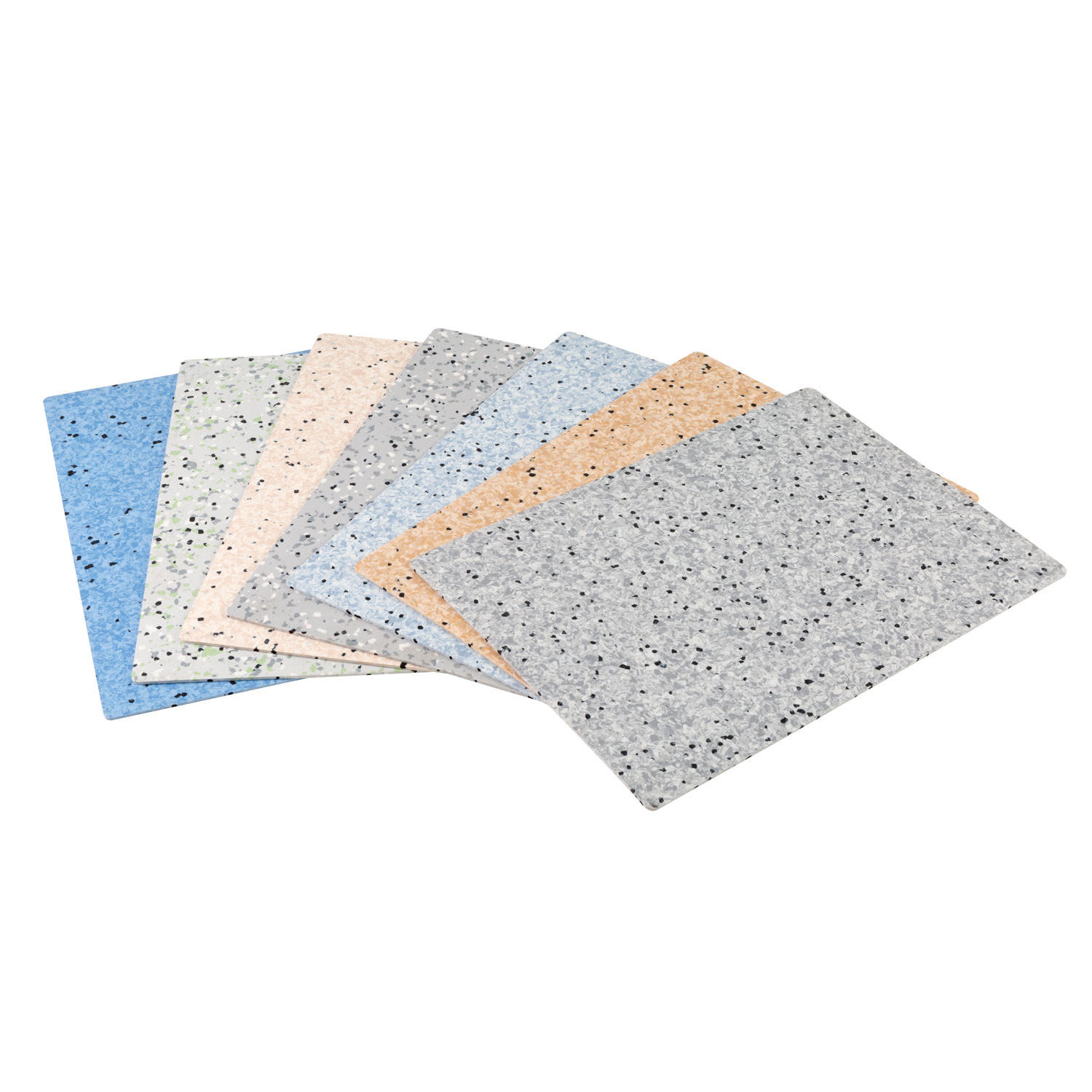
Dry Back Vinyl Plank Flooring is a glue-down LVT product manufactured with multiple layers of PVC and fiberglass reinforcement. Unlike click systems, it does not include a locking profile. Instead, installers apply pressure-sensitive adhesive or hard-set glue directly onto the subfloor, then lay each plank manually.
Because dry back planks are thin (2.0–3.0 mm), they form an extremely tight connection to the ground, delivering a firm and solid walking feel superior to many floating systems.
Glass-fiber reinforcement ensures that the planks resist expansion and contraction even in environments with temperature variations. This makes dry back LVT ideal for:
Because glue-down planks are thinner and do not use click profiles, production costs and shipping costs remain low — a significant advantage for developers and contractors handling hundreds or thousands of square meters.
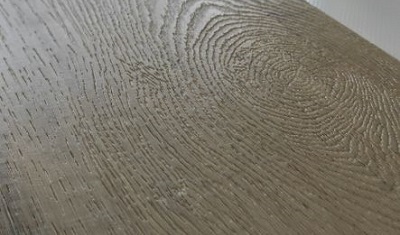
Dry Back Vinyl Plank Flooring offers photorealistic print film with textures that replicate oak, walnut, maple, cement, terrazzo, and hundreds of bespoke visual options. 3c-floor supports custom embossing such as:
Cleaning requires nothing more than daily sweeping, mopping, and occasional deep cleaning using neutral detergents. The UV coating prevents stains, chemicals, and abrasion effectively.
Compared with click systems installed on hard subfloors, dry back planks bond closely to the ground, providing a firmer, quieter, and less hollow sound.
| Specification | Details |
|---|---|
| Thickness | 2.0 mm / 2.5 mm / 3.0 mm |
| Wear Layer | 0.2 / 0.3 / 0.5 / 0.7 mm optional |
| Surface | UV matte, embossed, EIR |
| Size Options | 6"x36", 7"x48", 9"x48", custom sizes |
| Installation | Glue-down (hard-set / PSA adhesive) |
| Fire Rating | EN13501-1 Bfl-s1, ASTM E648 Class I |
| Water Resistance | 100% waterproof |
| Dimensional Stability | ≤0.10% (EN ISO 23999) |
| Commercial Rating | Class 32/33 |
| Chemical Resistance | Excellent |
Dry back LVT is especially favored by architects for its smooth appearance without height transitions — ideal for renovation projects requiring thin-format hard surfaces.
| Type | Dry Back | Click | Loose Lay |
|---|---|---|---|
| Installation | Glue-down | Floating with lock | Lay down with friction back |
| Cost | Low | Medium | High |
| Commercial Use | ★★★★★ | ★★★☆☆ | ★★★★☆ |
| Stability | ★★★★★ | ★★★★☆ | ★★★☆☆ |
| Replacement | Moderate | Easy | Very easy |
Dry back offers the highest long-term stability and the best performance-price ratio for professional projects.
3c-floor exports to more than 80 countries, trusted by distributors, contractors, and chain-store brands worldwide.
Yes. It is fully waterproof due to PVC structure and sealed installation.
Absolutely. Dry back LVT is one of the most stable products for high-traffic commercial environments.
When paired with proper adhesive, lifetime can exceed 15–20 years.
For commercial use, hard-set or epoxy adhesives are recommended.