- 0086 13321818576 (Steven Lee)
- info@3c-floor.com
A floating floor is one of the most widely adopted flooring installation systems in modern residential and commercial construction. Unlike traditional flooring methods that require glue, nails, or screws, floating floors are designed to rest above the subfloor without being permanently fixed.
With advancements in material engineering and locking technology, floating floor systems have evolved into high-performance solutions that offer durability, flexibility, and ease of installation. At 3c-floor, we specialize in advanced floating floor solutions that meet global performance and design standards.
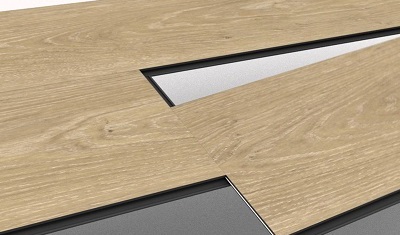
A floating floor is a flooring system where individual planks or tiles are connected to each other through interlocking mechanisms rather than being attached to the subfloor. The entire surface “floats” as a single unit, allowing it to adapt to temperature changes and minor subfloor imperfections.
Floating floors are commonly used with SPC, LVT, laminate, and engineered vinyl materials. This installation concept has become a preferred choice over traditional flooring systems due to its speed, cost efficiency, and adaptability.


Floating floor systems rely on precision-engineered locking profiles that connect each plank or tile. Once assembled, the surface distributes weight evenly across the subfloor while maintaining structural integrity.
This structure allows floating floors to perform exceptionally well in environments where subfloor conditions may not be perfectly level.
Stone Plastic Composite (SPC) floating floors feature a high-density mineral core that offers superior rigidity, waterproof performance, and dimensional stability.
Vinyl floating floors combine flexibility with durability, making them suitable for both residential and light commercial use.
Laminate floating floors use a fiberboard core with decorative surfaces, offering affordability and visual variety.
Engineered floating floors combine real wood veneers with multi-layer cores to balance aesthetics and stability.
Floating floors significantly reduce installation time, labor costs, and project downtime.
Because floating floors are not fixed to the subfloor, they naturally adapt to temperature and humidity changes without cracking or warping.
Individual planks can be replaced without removing the entire floor, extending the life cycle of the installation.
Reduced labor, fewer materials, and faster installation make floating floors an economical alternative to glued-down systems.
Ensure the subfloor is clean, dry, and structurally sound. Floating floors tolerate minor imperfections but require a stable base.
Underlayment improves acoustic performance and moisture resistance.
Planks are installed row by row, locking together to form a continuous surface.
Expansion gaps are left around walls and fixed objects to accommodate movement.
In modern construction projects, floating floors are increasingly selected over traditional flooring solutions for their performance and efficiency.
| Feature | Floating Floor | Glued-Down Floor |
|---|---|---|
| Installation Speed | Fast | Slow |
| Subfloor Tolerance | High | Low |
| Repair Flexibility | Easy plank replacement | Difficult repairs |
| Cost Efficiency | High | Lower |
Modern floating floors, especially SPC floating floors, offer excellent resistance to moisture, impact, and daily wear. Waterproof floating floor systems are ideal for environments where spills and humidity are common.
The combination of rigid core technology and advanced surface coatings ensures long-term performance even under heavy foot traffic.
High-quality floating floor products are designed with sustainability in mind. Many floating floors manufactured by 3c-floor comply with international environmental and indoor air quality standards.
Selecting a reliable supplier is critical to the success of a floating floor project. Buyers should evaluate:
With years of industry experience, 3c-floor delivers floating floor solutions designed for durability, performance, and global compliance.
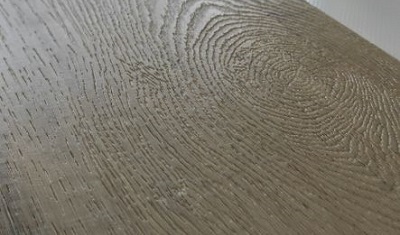
Floating floor systems continue to evolve with improvements in rigid core materials, acoustic underlayments, and surface realism. Digital printing and EIR textures are pushing floating floors closer to natural wood and stone appearances.
As construction demands efficiency and sustainability, floating floors are expected to remain a dominant installation method worldwide.
Floating floors represent a modern, efficient, and durable flooring solution suitable for a wide range of applications. Their ease of installation, dimensional stability, and design versatility make them a preferred choice in both residential and commercial markets.
By partnering with an experienced manufacturer like 3c-floor, buyers gain access to high-quality floating floor systems engineered for long-term success.