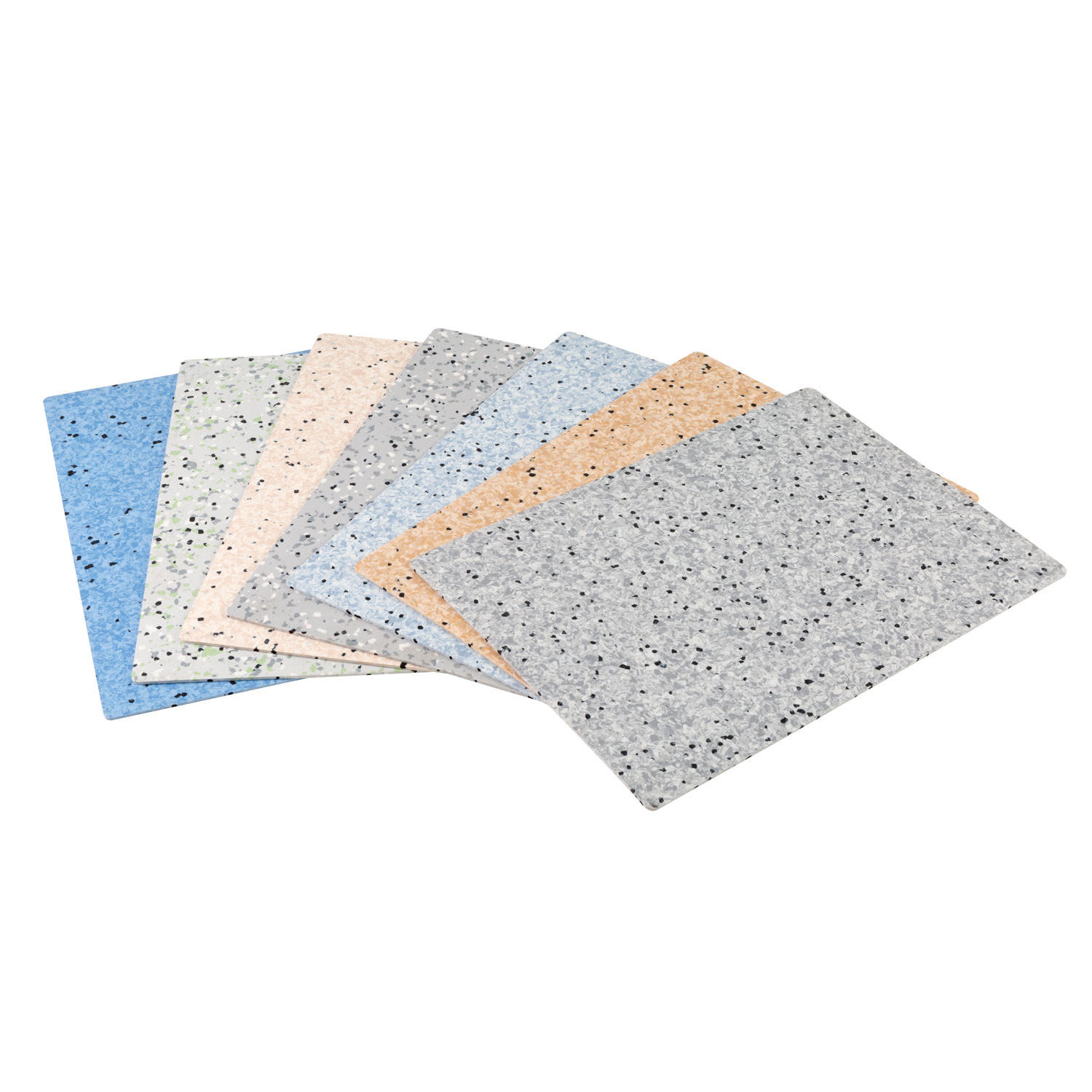
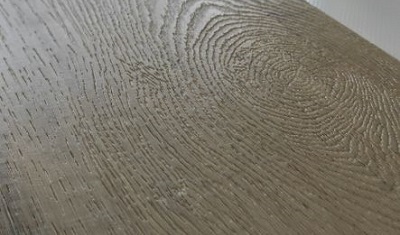
Floating Floor Systems: The Future of Modern Flooring Solutions
Floating floor systems have become one of the most influential innovations in the global flooring industry. As architectural design evolves and construction efficiency becomes increasingly important, floating floor solutions offer unmatched flexibility, performance, and cost-effectiveness for residential, commercial, and industrial applications.
At 3c-floor, we specialize in advanced floating floor systems engineered to meet international quality standards. With years of experience serving global markets, our expertise ensures reliable flooring solutions that balance aesthetics, durability, and ease of installation.
1. What Is a Floating Floor?
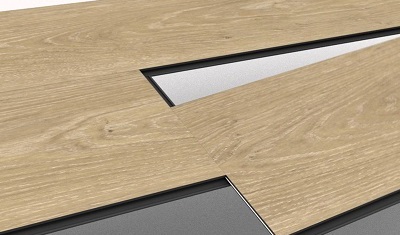
A floating floor is a type of flooring installation method where the floor covering is not directly attached to the subfloor using nails, screws, or adhesive. Instead, the individual floor panels or planks are connected to each other through innovative locking systems, allowing the entire floor surface to “float” above the base.
This construction principle allows the flooring to naturally expand and contract in response to temperature and humidity changes without cracking or warping. As a result, floating floors are widely recognized for their structural stability and long-term performance.
Key Characteristics of Floating Flooring
- No permanent attachment to the subfloor
- Interlocking or click-lock installation system
- Enhanced dimensional stability
- Reduced installation time and labor cost
- Compatible with various subfloor types
2. How Floating Floor Systems Work
Floating floor systems rely on precision-engineered joints that securely connect each plank or tile. These joints distribute weight evenly across the surface, creating a unified structure that performs as a single layer rather than individual pieces.
An underlayment is often placed between the floating floor and the subfloor. This layer enhances acoustic insulation, moisture resistance, and walking comfort while protecting the floor from minor subfloor imperfections.
Modern floating floors are commonly used in high-performance flooring projects where efficiency, sustainability, and adaptability are critical.
3. Benefits of Floating Floor Systems
3.1 Easy and Fast Installation
One of the primary advantages of floating floors is their simplified installation process. Since no glue or nails are required, projects can be completed significantly faster, reducing downtime for residential and commercial spaces.
3.2 Superior Dimensional Stability
Floating floors are designed to accommodate natural movement caused by environmental changes. This reduces the risk of buckling, cracking, or surface deformation over time.
3.3 Cost Efficiency
Lower labor costs, minimal subfloor preparation, and reduced installation materials make floating floor systems a cost-effective solution without compromising performance.
3.4 Easy Maintenance and Replacement
If a plank becomes damaged, floating floors allow for selective replacement without dismantling the entire surface. This flexibility is particularly valuable in commercial environments. 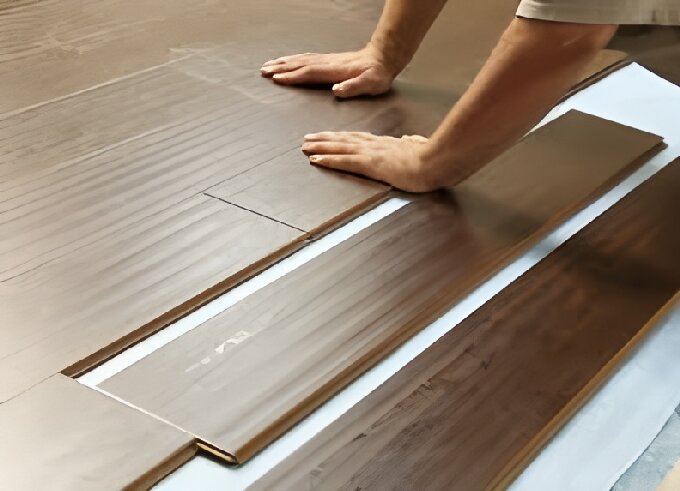


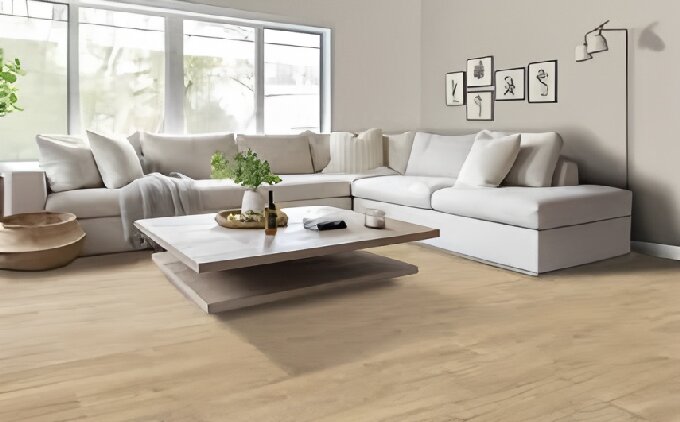
4. Materials Used in Floating Floor Construction
Floating floor systems are available in a wide range of materials, each offering unique performance characteristics:
4.1 Engineered Wood Floating Floors
Engineered wood combines natural aesthetics with multi-layer stability, making it suitable for various climate conditions.
4.2 SPC and Rigid Core Floating Floors
Stone Plastic Composite (SPC) floating floors provide exceptional durability, water resistance, and dimensional stability for demanding environments.
4.3 Laminate Floating Flooring
Laminate floating floors offer a cost-effective alternative with realistic surface designs and strong wear resistance.
5. Floating Floor Applications
- Residential living spaces
- Commercial offices and retail stores
- Hospitality and hotel projects
- Educational and healthcare facilities
- Industrial and light manufacturing areas
Floating flooring systems adapt seamlessly to different usage scenarios while maintaining visual consistency and structural reliability.
6. Floating Floor Installation Best Practices
Proper installation ensures the long-term success of a floating floor system. Recommended best practices include:
- Ensure a clean, level subfloor
- Use appropriate underlayment materials
- Allow expansion gaps around perimeter walls
- Follow manufacturer locking system guidelines
Professional installation further enhances performance and extends service life.
7. Sustainability and Environmental Performance
Floating floor systems support sustainable construction through reduced material waste, reusability, and compatibility with low-emission manufacturing processes.
At 3c-floor, we integrate environmentally responsible practices into our product development, ensuring compliance with global green building standards.
8. Why Choose 3c-floor for Floating Floor Solutions?
As a trusted manufacturer and supplier, 3c-floor delivers floating floor systems that combine innovation, reliability, and global market expertise.
- Advanced manufacturing technology
- Strict quality control standards
- Global export experience
- Customizable flooring solutions
Our commitment to excellence ensures that every floating floor system meets the highest expectations of performance and design.
Learn more about our complete range of advanced flooring solutions by visiting our official website.
9. Frequently Asked Questions About Floating Floors
Is a floating floor suitable for commercial use?
Yes. Many floating floor systems are engineered specifically for high-traffic commercial environments.
Can floating floors be installed over concrete?
Floating floors are commonly installed over concrete with the proper moisture barrier and underlayment.
How long does a floating floor last?
With proper installation and maintenance, a high-quality floating floor can last 15–30 years or more.
10. Conclusion: Floating Floors as a Smart Long-Term Investment
Floating floor systems represent a forward-thinking approach to modern flooring design. Their adaptability, durability, and ease of installation make them a preferred choice for architects, builders, and property owners worldwide.
By choosing 3c-floor, you gain access to expertly engineered floating floor solutions designed to deliver lasting value, performance, and aesthetic appeal for years to come.