Define the workload
Foot traffic, pets, wheels, chairs, carts, cleaning frequency, shoes, grit and expected replacement cycle.



Flooring Selection · Specification · B2B Sourcing Guide
Start with the room, workload and installation conditions—not the color board. The right flooring is the material and construction that fits traffic, moisture, subfloor, acoustics, maintenance, installation time, design target and total project cost. This guide compares SPC, WPC, LVT/LVP, PVC sheet, homogeneous vinyl, laminate, engineered wood and tile, then shows importers, distributors, contractors and developers how to turn that choice into a quote-ready specification.

Choose flooring in this order: use → site → installation → construction → evidence → total cost. First define whether the floor is for a bedroom, rental apartment, hotel, office, retail store, school, healthcare facility or another environment. Next check moisture, subfloor flatness, rolling loads, sunlight, acoustics, floor height and downtime. Then select the installation format—click/floating, glue-down, loose lay or sheet installation—and match the flooring construction to that job. Finally, confirm product-specific test documents, approve a physical sample and compare the total installed and lifecycle cost rather than buying by material price alone.
For buyers sourcing resilient flooring, SPC is commonly shortlisted when rigid-core stability and fast click installation matter; WPC when comfort and acoustic softness matter; LVT/LVP when design and installation flexibility matter; PVC sheet when large-area coverage and fewer seams matter; and homogeneous vinyl when through-body commercial performance is a priority. Wood, laminate and tile remain useful alternatives when authentic timber, dry-area value or hard mineral surfaces are more important than resilient-flooring benefits.
Foot traffic, pets, wheels, chairs, carts, cleaning frequency, shoes, grit and expected replacement cycle.
Subfloor type, flatness, moisture, transitions, floor height, direct sun, temperature and acoustic targets.
Rigid or flexible, plank or sheet, floating or bonded, wear layer, backing, surface and edge treatment.
Approve sample, product code, test scope, labels, packaging, inspection criteria and repeat-order reference.
Flooring Types Comparison
Use this matrix as a shortlist, not as a substitute for the exact product specification. Two floors in the same category can perform differently because their wear surface, core, backing, installation system and quality control are different.
| Flooring type | Strong reason to choose | Installation direction | Moisture logic | Best-fit applications | Watch-outs before buying |
|---|---|---|---|---|---|
| SPC rigid core RigidClick | Dimensional stability, hard core, practical wood/stone visuals and efficient renovation. | Commonly click/floating; exact system depends on product. | Vinyl/mineral core is commonly selected where moisture resistance is important, but room waterproofing is a separate issue. | Apartments, rentals, homes, hotels, offices, retail and renovation. | Do not buy by total thickness alone. Check core, click joint, wear surface, backing and subfloor. |
| WPC vinyl ComfortRigid core | Softer underfoot feel and comfort-oriented rigid construction. | Commonly floating/click. | Water-resistant/waterproof resilient construction by product; installation details still matter. | Bedrooms, living areas, apartments, hospitality and comfort-focused programs. | Thicker does not automatically mean stronger. Check indentation, joint design and backing. |
| LVT / LVP Flexible choiceDesign | Broad décor choice and multiple installation formats. | Click, dry back/glue-down or loose lay depending on construction. | Vinyl material tolerates moisture better than many wood-based floors, but adhesive/subfloor moisture must be managed. | Residential, hospitality, offices, retail, multi-site commercial programs. | Wear layer and total thickness are different decisions. Match format to rolling loads and subfloor. |
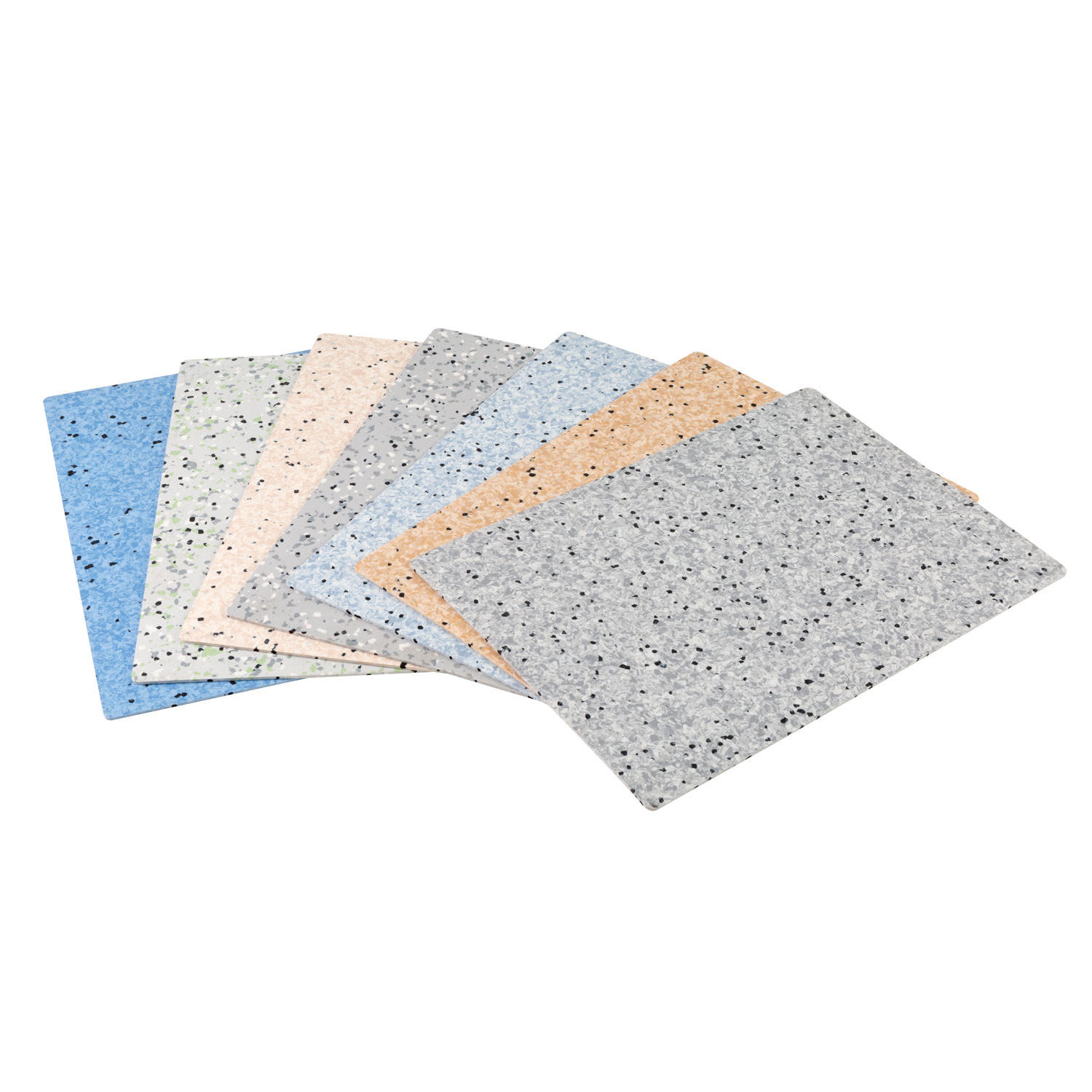
| PVC sheet / vinyl roll Large areaFewer seams | Efficient large-area coverage and reduced number of joints. | Typically full-spread bonded; seams may be welded where specified. | Resilient sheet is useful in moisture-conscious interiors, but slab moisture and adhesive compatibility remain critical. | Healthcare, education, corridors, public buildings, commercial interiors. | Plan roll width, seam direction, backing, adhesive, weld details and subfloor preparation early. |
| Homogeneous vinyl Through-bodyCommercial | Through-body construction and project-focused sheet performance. | Glue-down sheet with coordinated seam/welding details where required. | Material is resilient; moisture testing and installation remain system issues. | Hospitals, schools, labs, public corridors, transport and heavy-use interiors. | Confirm exact surface treatment, color direction, seam system, cleaning plan and test evidence. |
| Laminate Dry-area value | Wood-look visual and cost efficiency in suitable dry interiors. | Commonly floating/click. | Wood-fiber cores generally require more caution around prolonged moisture. | Bedrooms, living rooms, selected offices and dry residential areas. | Edge swelling risk, acoustic feel, moisture exposure and inability to treat all laminate as waterproof. |
| Engineered hardwood Real wood | Authentic wood surface with improved dimensional behavior versus solid timber. | Glue, nail or floating depending on construction. | More moisture-sensitive than resilient vinyl systems; site humidity and moisture need control. | Premium residential, hospitality and projects that require real timber. | Specify veneer thickness, core, grade, finish, dimensions, moisture limits and color variation. |
| Ceramic / porcelain tile Hard surfaceWet area | Hard mineral surface, heat resistance and strong wet-area potential. | Mortar/thinset with grout or approved tile system. | Tile itself handles water well, while substrate, waterproofing and grout detailing determine the system. | Bathrooms, entries, food service, public areas and projects favoring a hard mineral surface. | Hard/cold underfoot, grout maintenance, substrate rigidity, cracking risk and higher installation complexity. |
Selection principle: compare categories first, then compare exact products within the chosen category. A category name is not a complete specification.
Material-by-Material Buyer Logic
This is the part many generic flooring buying guides miss. A product becomes easier to specify when buyers understand both the use case and the limits.
Choose SPC when a rigid click floor, moisture-tolerant core, efficient renovation and stable plank format are priorities. The rigid construction can help bridge minor texture in existing substrates, but it does not eliminate flatness requirements.
Do not choose SPC only because it is thick. Click precision, core quality, wear layer, UV finish and backing can matter more than a single millimeter number.
Deep dive: SPC Buying Guide
Choose WPC when comfort, a warmer/softer walking feel and acoustic positioning are central to the sales proposition or room experience.
Do not use “waterproof” as the whole specification. Check indentation behavior, attached pad, click geometry, surface finish and floor-height transitions.
Deep dive: WPC Flooring Guide
Choose LVT or LVP when buyers need design flexibility plus a choice of click, dry back or loose-lay installation. Glue-down LVT can be especially useful where a low floor profile and controlled bonded installation are preferred.
Do not assume LVP is one product. “Luxury vinyl plank” describes format more than complete construction.
Deep dive: LVT Buying Guide
Choose vinyl roll when large-area coverage, fewer seams and commercial maintenance are more important than individual plank replacement.
Do not quote from color alone. Roll width, length, wear layer, backing, seam plan, adhesive and substrate preparation affect the installed result.
Supply overview: PVC Flooring Roll Manufacturer
Choose homogeneous sheet for demanding institutional and public interiors where through-body construction, welded-seam planning and repeatable project specifications matter.
Do not treat every hospital, school or laboratory as the same workload. Cleaning chemistry, rolling loads, slip requirements and local project documents can change the specification.
Best for: institutional and high-use commercial specifications.
Choose real engineered wood when an authentic timber surface is essential; laminate when dry-area value and wood-look design lead; tile when a hard mineral surface and wet-area system are preferred.
Do not force one material into every room. Multi-material projects can be more rational than a single-floor solution when the zones have different moisture, acoustic and maintenance demands.
Decision rule: prioritize the room and service condition over brand familiarity.
Application Selector
The same flooring can behave differently in a quiet bedroom, a hotel corridor and a retail entrance. Use application risk to narrow the category before discussing décor.
| Application | Strong starting options | Why | Questions to answer before approval |
|---|---|---|---|
| Bedrooms / low-traffic homes | WPC, SPC, click LVT, laminate, engineered wood | Comfort, design and straightforward installation can matter more than heavy commercial wear. | Warmth, acoustics, moisture, floor height, direct sun, preferred material feel. |
| Kitchens / laundry / moisture-prone residential | SPC, selected vinyl/LVT, tile | Moisture tolerance and cleanability are high priorities. | Room waterproofing, perimeter details, appliance loads, subfloor moisture, slip. |
| Rental apartments / multifamily | SPC, WPC, LVT/LVP | Fast turnover, repeatable décor, replacement planning and maintenance simplicity. | Tenant turnover, acoustics, spare stock, click vs glue-down, damage/repair model. |
| Hotel guestrooms | WPC, SPC, LVT/LVP | Design, underfoot feel, luggage traffic and acoustic comfort must balance. | Impact sound, housekeeping carts, room downtime, replacement stock, required reports. |
| Offices | LVT, SPC, PVC sheet, carpet tile depending on zone | Rolling chairs, acoustic comfort, replacement flexibility and appearance matter. | Chair casters, concentrated loads, subfloor, entrances, sound and maintenance. |
| Retail / boutiques | Glue-down LVT, selected SPC, commercial sheet | Public traffic, display loads and store refits require a repeatable commercial system. | Entrance grit, carts, sunlight, fixture movement, downtime, spare stock. |
| Healthcare / education / public corridors | Homogeneous vinyl, heterogeneous/PVC sheet, project-specific resilient flooring | Large-area maintenance, seam planning, cleaning and institutional documentation become central. | Rolling loads, cleaning chemistry, welded seams, slip, fire/VOC/project requirements. |
Specification Before Price
Good buyers separate the numbers that describe different jobs. Total thickness, wear layer, core, attached backing and installation method are not interchangeable.

A lower quote may describe a different wear layer, thinner core, different backing, simpler surface, smaller size, different packing or narrower documentation scope. Put every supplier offer into the same comparison template before calling one option cheaper.
Installation Strategy
Installation is part of the product specification. The wrong format can make a good floor expensive, unstable or difficult to maintain.
Best when: renovation speed, reduced wet adhesive work and plank replacement are important.
Confirm: subfloor flatness, expansion layout, transition heights, rolling loads, attached pad and perimeter details.
Best when: low finished height, permanent commercial installation and movement control across larger areas are priorities.
Confirm: moisture testing, substrate smoothness, adhesive compatibility, open time, rolling and handover schedule.
Best when: replacement flexibility and reduced disruption matter.
Confirm: room size, traffic, rolling loads, perimeter fixing or adhesive requirements and actual manufacturer instructions.
Best when: large-area coverage and fewer joints are valuable.
Confirm: roll plan, seam direction, adhesive, welding details where specified, coving and substrate preparation.
Best when: hard surfaces, heat tolerance or mineral aesthetics are desired.
Confirm: substrate rigidity, waterproofing, mortar, grout, movement joints and cure time.
Best when: authentic timber is the design priority.
Confirm: moisture content, acclimation, site humidity, installation method, finish, grading and expansion.
Cost Beyond the Carton
The cheapest material is not automatically the lowest-cost floor. Procurement teams should compare the full installed and lifecycle cost of a technically equivalent system.
Plank dimensions, room geometry, pattern direction and roll planning change waste and usable yield.
Grinding, leveling, moisture mitigation, primer and patching can exceed differences in material price.
Click, glue-down, tile and sheet systems have different installer skills, curing, handover and business-interruption costs.
Underlayment, adhesives, transitions, skirting, welding rod, profiles and entrance protection belong in the budget.
Cleaning chemistry, refinishing, grout, replacement stock and damage repair affect ownership cost.
Uncontrolled shade, mismatched cartons or product drift can turn a low initial price into high after-sales cost.
Carton size, palletization, roll weight, container utilization and breakage risk affect landed cost.
A lower-cost floor may still be rational for short-turnover rentals; a project with difficult access may justify more upfront specification control.

Sample & Quality Approval
A single showroom sample proves very little. B2B approval should connect the physical floor with a written specification, product code, packaging and product-specific evidence.
3C-Floor Image Pack
These images are hosted on the official 3C-Floor website. They are placed next to relevant explanatory text with natural ALT descriptions rather than keyword-stuffed image labels.

Useful for residential, rental and rigid-core selection content.

Traffic, rolling loads and replacement planning should be specified before décor.

Subfloor and fixing strategy are part of the flooring system.

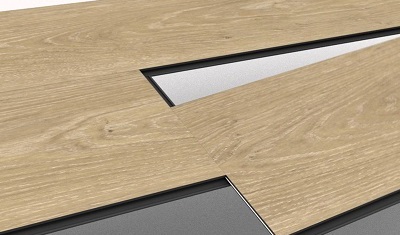
Inspect assembled joints, not only loose plank samples.

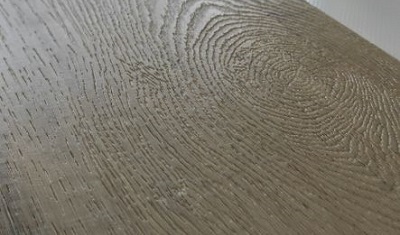
Gloss, embossing and cleanability should be approved together.

Roll construction, seams and installation method are as important as color.
Wholesale / OEM Procurement
A detailed inquiry produces faster and more comparable quotations. Send the buying brief below instead of asking only for “best price” or “best quality.”
Available combinations depend on the exact product program. Confirm final specification, required testing and production feasibility with 3C-Floor before order approval.
Continue the Decision
Move from the general category decision into the specific product, installation and underlayment details most relevant to the project.
People Also Ask / Buyer FAQ
Short, standalone answers for common flooring selection, specification and sourcing questions.
Choose flooring by application first: define traffic, moisture, rolling loads, cleaning and expected service conditions; inspect the subfloor; then select the installation system and material construction. Compare wear surface, core, backing, acoustics, design, required test evidence and total installed cost. For B2B orders, approve a coded physical sample and complete written specification before production.
There is no universal best flooring. SPC is a strong rigid-core option for many moisture-conscious renovations; WPC is useful where comfort is a priority; LVT offers broad design and installation flexibility; PVC sheet reduces seams across larger areas; homogeneous vinyl suits demanding commercial interiors; engineered wood provides a real timber surface; and tile works well where a hard mineral surface is preferred.
The most affordable choice depends on installed cost, not material price alone. Sheet vinyl can be efficient over large areas, value LVT or laminate can be economical in suitable rooms, and SPC can justify a higher material cost when click installation and moisture-tolerant rigid construction reduce project complexity. Compare subfloor preparation, labor, waste, accessories, freight, maintenance and replacement—not just the carton price.
No. Thickness describes only one part of the system. A thicker plank can still have an unsuitable wear layer, weak joint, poor surface finish or incorrect backing. Ask suppliers to separate total thickness, core/body thickness, wear layer and attached-pad thickness, then evaluate the complete construction against the application.
Choose wear layer by traffic, cleaning frequency, rolling movement and the exact product use classification. Residential, rental and commercial programs often need different wear targets, but surface durability is not determined by wear-layer thickness alone. Review the UV/top finish, indentation behavior, scratch positioning and product-specific test evidence as well.
Waterproof normally describes the flooring material or plank, not the entire room. Water can still reach wall perimeters, transitions, penetrations and the subfloor. Concrete moisture can also affect adhesives and installed systems. Treat waterproofing, moisture mitigation and flooring as related but separate parts of the project.
Choose click/floating flooring when installation speed and renovation flexibility matter; glue-down when a low-profile, stable bonded system is preferred; and loose lay when local replacement and reduced disruption are useful. Subfloor flatness, rolling loads, area size, floor height, acoustic goals and maintenance plan should decide the final method.
Normalize the technical offer first. Make sure every supplier is quoting the same flooring type, total thickness, wear layer, core/body, size, surface, backing, installation system, packaging, documents and delivery terms. Then compare physical samples, QC controls, shade consistency, product coding, production traceability and repeat-order management before deciding on price.
From Guide to Factory Quote
3C-Floor's published range includes SPC, WPC, LVT, PVC flooring rolls, homogeneous vinyl, underlayment and related resilient-flooring solutions. Use the guide to narrow the material, then send the real application and sourcing requirements for a comparable quotation.
Suggested URL: https://www.3c-floor.com/flooring-buying-guide.html · Final suitability, performance and compliance depend on the exact SKU, complete construction, test method, subfloor, installation system and project requirements.