SPC (stone polymer composite)
A rigid vinyl-flooring construction using a dense, mineral-filled polymer core; stone plastic composite is another common expansion.
Buyer / installer check Verify the actual core and approved installation system.



Flooring acclimation means conditioning a flooring product to its installation environment when required by that product's instructions. There is no universal 48-hour rule for SPC, LVT or WPC. This practical flooring glossary explains acclimation first, then defines construction, thickness, wear layers, backing, click systems, moisture and wholesale terminology for distributors, installers, architects and private-label buyers.
Use 146 concise definitions and purchasing checks to turn product labels into comparable specifications. 3C-Floor supplies SPC, WPC, LVT and PVC roll flooring and can discuss the appropriate construction and samples for your application.

Flooring acclimation is the process of allowing material to reach the installation conditions specified for the product before it is fitted. For SPC or vinyl flooring, requirements can involve the storage position, room temperature, product temperature, HVAC operation and a defined time. Some rigid-core products require no pre-installation waiting period when conditions are met.
Acclimation is not a substitute for testing a concrete slab, correcting high moisture or leveling the substrate. Wood flooring is often discussed in terms of moisture-content equilibrium; vinyl and SPC instructions typically focus on temperature and controlled site conditions. Always follow the exact model's installation guide, including changes after unusually hot or cold transport.
For context, compare 3C-Floor's SPC-specific terminology with LVT system terminology; the same term can trigger different jobsite actions.
Important: 24 h, 48 h and “no acclimation required” all occur in real manufacturer instructions. These are examples of different product rules—not choices to apply without verifying the selected floor.
| Floor category | What acclimation means in practice | Key document to verify |
|---|---|---|
| SPC / rigid core | Some systems do not mandate a wait; others do. Controlled installation temperature and handling remain important. | Exact model installation guide; any unusual freight-temperature note. |
| Flexible LVT / glue-down | Conditioning, substrate temperature, adhesive open time and cure may all affect the procedure. | Flooring and approved adhesive instructions. |
| Loose lay vinyl | Product temperature, storage orientation and the permitted restraint strategy may matter. | Loose-lay system instructions and fixing schedule. |
| WPC click flooring | Confirm the climate range, conditioning requirement and attached-pad limitations for the exact build. | Selected WPC model guide, not an SPC rule of thumb. |
Examples from named makers appear in the technical reference section below; this page does not override 3C-Floor SKU-specific instructions.
LVT names a broad luxury vinyl category; LVP describes planks. Neither tells you the exact core, backing or fitting system.
SPC typically identifies a dense, mineral-filled rigid core; WPC commonly identifies a foamed composite rigid core.
20 mil equals exactly 0.508 mm. It describes a layer dimension, not the finished plank thickness or a use rating.
Compare the construction on the SPC product range, the WPC rigid-core guide and the LVT installation systems. For roll-format products, see the PVC sheet flooring category.
Every definition includes a practical point to verify before ordering or fitting. Use search to narrow the list; the full glossary remains in readable HTML without JavaScript.
Showing all 146 definitions.
These terms identify the product before a specification is compared.
A rigid vinyl-flooring construction using a dense, mineral-filled polymer core; stone plastic composite is another common expansion.
Buyer / installer check Verify the actual core and approved installation system.
A vinyl rigid-core construction commonly using a foamed composite core; the formulation varies and is not defined by the acronym alone.
Buyer / installer check Compare the full build, walking feel and load evidence.
A modular decorative vinyl flooring category that includes tiles and, in some markets, plank formats.
Buyer / installer check Identify construction and fitting method before comparing quotes.
A plank-format luxury vinyl floor, usually with a wood-look design; it can be flexible or rigid-core.
Buyer / installer check State whether the offered plank is flexible, SPC or WPC.
A broad marketing label encompassing luxury vinyl products in several formats.
Buyer / installer check Replace the umbrella label with a defined product construction.
Vinyl flooring with a comparatively stiff structural core, including SPC and some WPC constructions.
Buyer / installer check Name the core type and system.
A plank-format vinyl product with a flexible body rather than a rigid SPC-like core.
Buyer / installer check Confirm substrate preparation and installation method.
Continuous roll-form vinyl flooring used where a broad, joined surface is desired.
Buyer / installer check Confirm roll width, seam detail and adhesive system.
A sheet floor of generally uniform composition through its thickness rather than a separate printed décor layer.
Buyer / installer check Ask for its specific wear and care requirements.
A layered sheet construction in which backing, reinforcement, print and wear surface perform different functions.
Buyer / installer check Request the layer breakdown and seam instructions.
A resilient tile category with a vinyl binder and mineral filler; it is distinct from luxury vinyl tile.
Buyer / installer check Compare maintenance regimes, not only initial price.
The polymer commonly called vinyl, used in many resilient flooring constructions.
Buyer / installer check Ask which completed flooring product is offered.
A broad flooring family that includes vinyl and other relatively flexible floor coverings.
Buyer / installer check Do not use resilient and vinyl as exact synonyms.
A modular floor designed to be bonded to the prepared substrate using a specified adhesive.
Buyer / installer check Obtain the compatible adhesive and subfloor requirements.
A modular vinyl system using a designed backing and installation restraint strategy, sometimes with adhesive or tackifier.
Buyer / installer check Confirm perimeter and high-load fixing rules.
A vinyl tile or plank supplied with factory-applied pressure-sensitive adhesive and removable release film.
Buyer / installer check Confirm intended traffic and substrate compatibility.
Clear definitions with one practical step for a reliable specification or installation.
A transparent protective layer over the printed décor on many modular vinyl floors; it is not the whole plank thickness.
Buyer / installer check Ask for its nominal thickness and measurement basis.
A surface finish cured using ultraviolet energy; this process description does not itself prove scratch or UV-light resistance.
Buyer / installer check Review finish performance for the exact product.
The printed layer that gives layered vinyl flooring a wood, stone or other visual.
Buyer / installer check Approve the design and batch color on physical samples.
The principal structural layer of a rigid plank, different from the complete plank body.
Buyer / installer check Request core composition and measured thickness if relevant.
The dense, mineral-filled structural layer within an SPC construction.
Buyer / installer check Check whether dimensions refer to core or entire body.
The cellular structural layer commonly used in WPC-style rigid-core planks.
Buyer / installer check Compare compressive behavior and supported use.
A layer, such as fiberglass in some resilient floor products, intended to help maintain dimensional properties.
Buyer / installer check Confirm whether the selected construction includes one.
The underside material of a floor product affecting its bond, grip or support interface.
Buyer / installer check Confirm the backing for the installation method.
An underlay factory-bonded to the back of a plank, contributing to cushioning or impact sound characteristics.
Buyer / installer check Check approval before adding another underlay.
Irradiation-crosslinked polyethylene foam used in some flooring pads or underlays.
Buyer / installer check Verify thickness, density and tested assembly.
Ethylene-vinyl acetate, a polymer used in some resilient backing materials.
Buyer / installer check Check the actual grade and compatibility.
A backing option made using cork-based material in selected floor systems.
Buyer / installer check Verify moisture and acoustic requirements.
A modular vinyl product supplied without factory-applied adhesive, ordinarily intended for a bonded installation.
Buyer / installer check Do not confuse it with self-adhesive flooring.
A floor constructed from layers performing different structural, visual and protective functions.
Buyer / installer check Use a complete cross-section in approval documents.
The top treatment influencing appearance and maintenance response, distinct from the printed layer and wear layer.
Buyer / installer check Approve a finish reference and care procedure.
Mass per volume of an underlay or attached pad material, relevant to supporting a flooring assembly.
Buyer / installer check Ask for the actual value and test basis.
Clear definitions with one practical step for a reliable specification or installation.
The total stated thickness of the floor product; some quotes include an attached pad, others do not.
Buyer / installer check Specify finished thickness and inclusion basis.
The thickness of a plank body excluding a separately attached backing pad.
Buyer / installer check Record body and pad measurements separately.
The gauge of the structural core alone, excluding top layers and any backing.
Buyer / installer check Request layer-specific values if needed.
The gauge of the transparent protective layer, commonly expressed in millimeters or mils.
Buyer / installer check Agree which unit is contractual.
One-thousandth of an inch, equal to 0.0254 mm; it is not a millimeter.
Buyer / installer check Convert before evaluating supplier offers.
A metric unit of length; one millimeter is approximately 39.37 mils.
Buyer / installer check Do not mix it with mil labels.
The stated reference dimension around which an agreed measurement tolerance may apply.
Buyer / installer check Record tolerances separately.
An agreed permissible deviation from the stated measurement or other product requirement.
Buyer / installer check Put limits and test methods in the PO.
The installed coverage length and width, which may differ from full edge-to-edge measurements including click projections.
Buyer / installer check Use effective dimensions for carton area.
The floor area represented by one unopened carton under the supplier's piece-count and effective-size convention.
Buyer / installer check Recalculate against carton piece counts.
The count of planks or tiles in a retail or bulk box.
Buyer / installer check Cross-check gross area and loading plan.
An area unit used for flooring quantity and ordering, distinct from linear meters of trim or roll length.
Buyer / installer check Reconcile net room area with ordering allowance.
A flooring area unit; one square meter is approximately 10.7639 square feet.
Buyer / installer check State the currency and area unit together.
Extra material for offcuts, irregular layouts and future replacements, beyond measured net floor area.
Buyer / installer check Set allowance from layout, not a universal percentage.
The specified allowed variation in finished length, width, straightness or thickness.
Buyer / installer check Request the test method and lot acceptance rule.
A general thickness measurement; context determines whether it means the full floor or an individual layer.
Buyer / installer check Name the exact layer and unit.
Clear definitions with one practical step for a reliable specification or installation.
A relief texture impressed into the flooring surface to add tactile and visual interest.
Buyer / installer check Review texture and ease of cleaning on samples.
An embossing method aligning surface relief with printed grain or decorative details.
Buyer / installer check Inspect registration on full planks.
A comparatively low-sheen surface appearance, not a universal numerical rating.
Buyer / installer check Approve a visual standard for repeat orders.
The degree of reflected shine from the floor surface, sometimes measured by a defined instrument method.
Buyer / installer check Use the same sample and measurement geometry.
A printed visual designed to resemble timber grain, knots and color variation.
Buyer / installer check Approve multiple boards under project lighting.
A printed visual that resembles marble, slate or another stone pattern.
Buyer / installer check Check scale, repetition and joint appearance.
A sloped perimeter treatment that makes the joint between installed planks more apparent.
Buyer / installer check Specify shape, size and color.
A relatively small bevel around a plank or tile, with no single universal dimension.
Buyer / installer check Approve an assembled sample, not a label alone.
An edge design without the deliberate bevel profile used for a defined plank-joint effect.
Buyer / installer check Confirm actual installed gap and appearance.
A bevel whose recessed face has a color treatment intended to affect the joint appearance.
Buyer / installer check Check rub resistance and color match as required.
A broken-zigzag floor pattern using rectangular pieces set at angles.
Buyer / installer check Confirm compatible dimensions, joints and extra cuts.
A V-shaped layout using pieces with angled ends meeting in continuous points.
Buyer / installer check Confirm factory-made geometry and locking suitability.
The number or diversity of decorative print faces intended to reduce an obviously repeated pattern.
Buyer / installer check Review a larger installed sample layout.
A production grouping used to trace intended color consistency, which can still include designed variation.
Buyer / installer check Retain carton lot IDs for reorders.
Clear definitions with one practical step for a reliable specification or installation.
Bringing flooring into the required jobsite conditions before fitting when instructed by its manufacturer; it is not automatically a fixed waiting period.
Buyer / installer check Obtain SKU-specific time, temperature, humidity and storage rules.
The temperature range in which a flooring system may be fitted, stated in its own instructions.
Buyer / installer check Check room, product and substrate conditions.
The environmental range permitted after the flooring has been installed and occupied.
Buyer / installer check Check sunlight and seasonal shutdown risks.
Maintaining the intended interior climate with heating, ventilation or air conditioning before, during and after fitting.
Buyer / installer check Document stabilization requirements for the SKU.
A floor system joined over the substrate without being bonded across its whole area.
Buyer / installer check Follow movement-gap and transition rules.
A mechanical edge connection between adjacent floor boards.
Buyer / installer check Identify the exact profile and assembly method.
A click assembly approach in which boards engage through angled movement on relevant sides.
Buyer / installer check Match the procedure to the joint design.
A click system with an edge engagement sequence involving lowering or folding the plank into position.
Buyer / installer check Use approved tapping or tools only.
A floor fixed to the substrate using an approved adhesive system.
Buyer / installer check Confirm moisture, spread rate and rolling requirements.
Adhesive applied over the designed floor area rather than only at selected points.
Buyer / installer check Check adhesive, trowel and working time.
The fixing or containment used with a loose-lay product to prevent unwanted movement.
Buyer / installer check Confirm high-traffic and perimeter requirements.
The interval between applying an adhesive and positioning flooring, where that adhesive specifies one.
Buyer / installer check Follow the adhesive's site-condition limits.
The period during which a prepared adhesive can still develop an acceptable bond.
Buyer / installer check Do not conflate it with open time.
The time and conditions needed for an adhesive bond to develop its intended properties.
Buyer / installer check Plan foot and wheeled-traffic restrictions.
Planned clearance at walls and fixed objects that permits movement in specified floating floors.
Buyer / installer check Use model-specific gap and fixed-object details.
A profile used to finish the connection between two floor areas or heights.
Buyer / installer check Confirm threshold height and movement requirements.
A transition profile usually used between similar-height floor coverings.
Buyer / installer check Verify fitting and movement clearances.
An edge profile used at a stair tread or landing.
Buyer / installer check Specify stair safety and approved product system.
Trim installed at the wall-floor junction that can conceal suitable perimeter clearance.
Buyer / installer check Avoid pinning a floating floor with the trim.
A material placed beneath floor coverings to improve substrate preparation or provide a prescribed function.
Buyer / installer check Distinguish cushion from moisture control.
Clear definitions with one practical step for a reliable specification or installation.
The supporting construction beneath finish flooring, such as suitable concrete or wood-based material.
Buyer / installer check Inspect load capacity, condition and flatness.
The prepared surface immediately receiving the installed flooring or adhesive.
Buyer / installer check Agree preparation and acceptance criteria.
Deviation of a surface from a reference plane across a defined measuring span.
Buyer / installer check Use the selected product's permitted tolerance.
How nearly horizontal a surface is; it is not the same as flatness.
Buyer / installer check Do not treat a sloped but flat floor as uneven.
An assessment using the specified method to determine substrate moisture status.
Buyer / installer check Match method and limit to the system.
A measure associated with concrete moisture assessment that may be used by approved test procedures.
Buyer / installer check Apply the flooring or adhesive's stated limit.
A result indicating moisture vapor emission under a prescribed concrete test procedure.
Buyer / installer check Use only where that test is accepted.
A designed layer that limits water-vapor movement through an assembly.
Buyer / installer check Confirm classification and correct placement.
A system intended to address excessive substrate moisture before floor installation.
Buyer / installer check Ask for an approved solution and evidence.
Pressure from liquid water acting on a structure; it is not the same as vapor diffusion.
Buyer / installer check Investigate water sources, not only flooring.
How readily a substrate absorbs liquid, affecting adhesive wetting and bonding.
Buyer / installer check Check preparation and primer requirements.
A suitable compound placed to correct unevenness before flooring, subject to its own preparation rules.
Buyer / installer check Verify strength, cure and moisture limits.
The visible transfer of substrate irregularities or joint outlines through installed resilient flooring.
Buyer / installer check Repair ridges and joints before fitting.
The acid-base condition of a substrate surface, relevant to some adhesive and floor systems.
Buyer / installer check Use specified pH test and limit.
An underfloor heating system influencing substrate and flooring surface temperatures.
Buyer / installer check Obtain product-specific temperature and start-up rules.
Installing a new floor over a permitted existing covering after checking the old layer's stability.
Buyer / installer check Confirm that the specific overlay is approved.
Clear definitions with one practical step for a reliable specification or installation.
A claim that needs a defined scope, usually concerning the product's response to water, not necessarily a watertight room.
Buyer / installer check Ask which component and exposure are covered.
A claim that a material resists specified water exposure for a limited or defined condition.
Buyer / installer check Check method, duration and exclusions.
The ability to resist surface material loss from rubbing under a stated test.
Buyer / installer check Request the method and measured result.
Resistance to visible or measurable marks from sharp or abrasive contact.
Buyer / installer check Do not infer it from wear-layer thickness alone.
Permanent deformation remaining after a specified load is removed.
Buyer / installer check Match test method and use conditions.
A stationary load applied over time, such as a heavy desk or appliance.
Buyer / installer check Check contact pressure and floor system.
Load from wheels or casters passing over the floor.
Buyer / installer check Evaluate wheels, repetitions and installation method.
How well flooring retains dimensions after defined temperature or exposure changes.
Buyer / installer check Ask for the exposure conditions and test result.
Surface friction performance under a stated test and condition, often different for wet and dry use.
Buyer / installer check Specify required method for the project.
A rating for impact-sound transmission through a tested floor-ceiling assembly.
Buyer / installer check Compare the same assembly, not only a pad label.
An impact-sound improvement measure calculated against a defined reference assembly.
Buyer / installer check Identify the reference and completed test assembly.
A rating associated with airborne sound transmission through an assembly, not an impact-footfall rating.
Buyer / installer check Request the full wall or floor-ceiling configuration.
Volatile organic compounds released into indoor air under specified test conditions.
Buyer / installer check Ask for product-specific reports and scope.
A classification describing a product's behavior in a defined fire test system.
Buyer / installer check Confirm country, test and product build.
Resistance of a material's color to change under specified light or other exposure.
Buyer / installer check Compare only results from relevant methods.
Resistance to defined chemicals and exposure conditions, which can differ by finish and adhesive.
Buyer / installer check List actual agents and cleaning concentrations.
A classification of intended use under an applicable flooring standard, where available.
Buyer / installer check Confirm the standard and report scope.
A specialist floor system designed to control static electrical discharge within a tested assembly.
Buyer / installer check Request conductive system details and verification.
Clear definitions with one practical step for a reliable specification or installation.
A floor selected and specified for a particular nonresidential use with traffic, cleaning and regulatory needs.
Buyer / installer check Require intended-use proof for the selected SKU.
Flooring intended for suitable domestic spaces under the maker's stated use conditions.
Buyer / installer check Check load, wear and wet-area exclusions.
A use case with frequent pedestrian movement, sometimes combined with trolleys or luggage.
Buyer / installer check Assess joint, abrasion and rolling-load demands.
A room or zone exposed to frequent water where floor-body water resistance may not be enough.
Buyer / installer check Check waterproofing, drainage and slip requirements.
Perceived impact or footfall noise in a room, influenced by the floor and building assembly.
Buyer / installer check Use objective assembly testing when required.
Cleaning with a lightly damp mop and a suitable cleaner rather than saturating the floor.
Buyer / installer check Follow the actual product's care instructions.
A mild cleaning product whose suitability depends on its chemistry and floor manufacturer approval.
Buyer / installer check Confirm permitted dilution and residue behavior.
An entry mat used to trap grit and moisture before they reach the installed floor.
Buyer / installer check Check backing compatibility and cleaning frequency.
A surface mark often created by footwear or friction that may differ from a permanent scratch.
Buyer / installer check Test cleaning before choosing repair treatment.
A deeper surface defect involving displaced or removed flooring material.
Buyer / installer check Plan damaged-piece replacement procedures.
Visible upward pressure or tenting at joints that may be linked to movement or restraint.
Buyer / installer check Investigate gaps, climate and joint assembly.
Unwanted spaces appearing between adjacent planks or tiles.
Buyer / installer check Check site temperature, locking and installation method.
An edge-up or concave distortion in an individual floor piece.
Buyer / installer check Check the specific material and moisture condition.
A loss of bond separating layers of a multilayer floor product.
Buyer / installer check Record the location, age and actual failure mode.
Clear definitions with one practical step for a reliable specification or installation.
A document listing the declared properties and scope of a particular product configuration.
Buyer / installer check Match revision and SKU to the offer.
The maker's instructions for preparing, fitting and maintaining a specific floor model.
Buyer / installer check Use the current version for the exact SKU.
An identifier distinguishing a product configuration, often including size, décor, backing and finish.
Buyer / installer check Keep the same SKU on cartons and orders.
Flooring made for a buyer under an agreed product or branding program.
Buyer / installer check Agree the full specification and responsibilities.
Product development or manufacturing based on a supplier's offered design platform, sometimes customized for a buyer.
Buyer / installer check Clarify design ownership and approval scope.
A product sold under the buyer's brand rather than the manufacturing supplier's brand.
Buyer / installer check Approve labels, carton art and declarations.
The minimum supply quantity available under stated conditions, which may differ by design or packaging.
Buyer / installer check Ask for MOQ per décor and construction.
A defined period between named start and finish events such as artwork approval and production completion.
Buyer / installer check Separate production from shipping time.
A retained and identified approved reference sample for appearance or build.
Buyer / installer check Pair with tolerances and written criteria.
Records linking finished cartons to a production group and its approved controls.
Buyer / installer check Agree labeling and record-retention expectations.
Visible color , differences arising by design, lighting or production grouping.
Buyer / installer check Approve an allowed range using samples.
The formal buyer order stating quantity, specifications, price basis and terms.
Buyer / installer check Reference approved SKU, TDS and sample.
International trade rules allocating specified delivery responsibilities, costs and risks.
Buyer / installer check State named place, rule and edition.
Arranging cartons for handling and transport with attention to dimensions, load and protection.
Buyer / installer check Confirm cartons, mass and stacking limits.
The ability to match an earlier approved product during later purchase cycles.
Buyer / installer check Preserve sample codes and change-control records.
A buyer's structured inquiry requesting a quote against specific products and supply requirements.
Buyer / installer check Include application, construction, quantity and destination.
No terms matched your search. Try a broader word, or clear the search to browse all definitions.
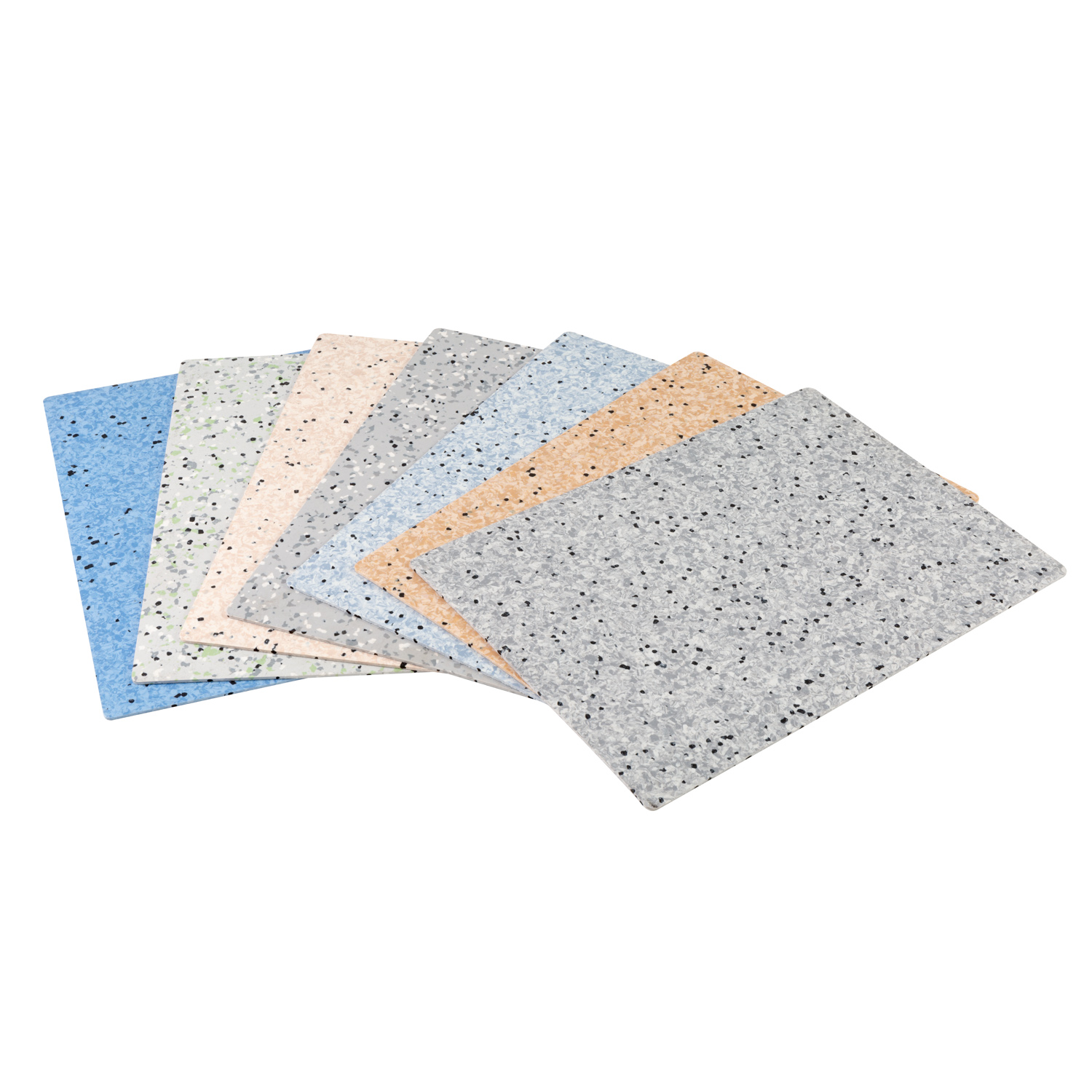
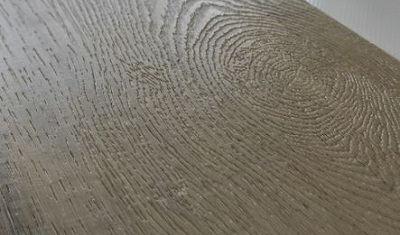
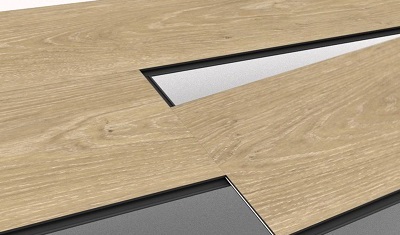
These verified 3C-Floor images illustrate surface, joint, backing and format. Photographs support product understanding, but they do not verify wear layer, acoustic performance or certification.


For more details on edge geometry, read the bevel and micro-bevel guide. For a concise cross-product vocabulary see vinyl flooring terminology.
Do not ask for “commercial waterproof SPC” without construction, use and evidence. A meaningful quotation identifies the plank build, wear layer and unit, finish, locking system or adhesive, backing, intended traffic and installation conditions.
Wholesale planning adds color quantities, mixed-SKU rules, reference samples, carton area, shipment terms and a reorder change-control process. Review wholesale SPC ordering and mixed-color planning before finalizing the list.
“Waterproof” does not automatically mean a waterproof room. “Acoustic” does not supply an IIC rating. “Commercial” needs a defined intended use. Request model-specific documents, test methods and acceptance limits where the project requires them.
Availability, certification, MOQ and lead time depend on the selected model and agreed offer.
Flooring acclimation, also called conditioning, means preparing flooring to the installation environment according to the exact product instructions. For SPC, LVT and WPC this can involve controlled temperatures, specified storage and a waiting period—or no waiting period if the approved product permits it. It is not the same as correcting a wet subfloor.
Not always. Some SPC installation guides require about 48 hours; others specify no prior acclimation when the room and flooring meet defined temperature conditions. Follow the current instructions for the exact SPC model and record unusual transport or site temperatures.
There is no universal duration. Different LVT systems and brands can specify 24 hours, 48 hours or another conditioning procedure. Use the manufacturer’s instructions for the selected glue-down, loose-lay or click product, including HVAC and substrate conditions.
SPC identifies a mineral-filled rigid-core construction. LVT is a luxury vinyl tile category that can include modular planks, while LVP identifies a plank format. An LVP product can use flexible vinyl or an SPC-type core; ask for construction and fitting method separately.
A 20 mil wear layer measures 0.020 inch, exactly 0.508 mm. Mil is a length unit, not millimeter or a traffic grade. Specify the measured wear layer separately from overall plank thickness and coating.
No. A flooring plank can resist damage from water without sealing all joints, edges, penetrations or the substrate beneath it. Wet areas still need a design covering moisture testing, appropriate waterproofing, drainage and approved installation details.
No. IXPE identifies a foam underlay material, whereas a moisture barrier or vapor retarder has a defined moisture-control function. A factory-attached pad does not automatically replace the required moisture-management system.
Include product family, installation type, total and body thickness, wear layer and units, plank dimensions, surface, backing, click profile, expected traffic, target market, quantity per décor, approved sample, packing, reports and destination port. Request a matched SKU and technical data sheet.