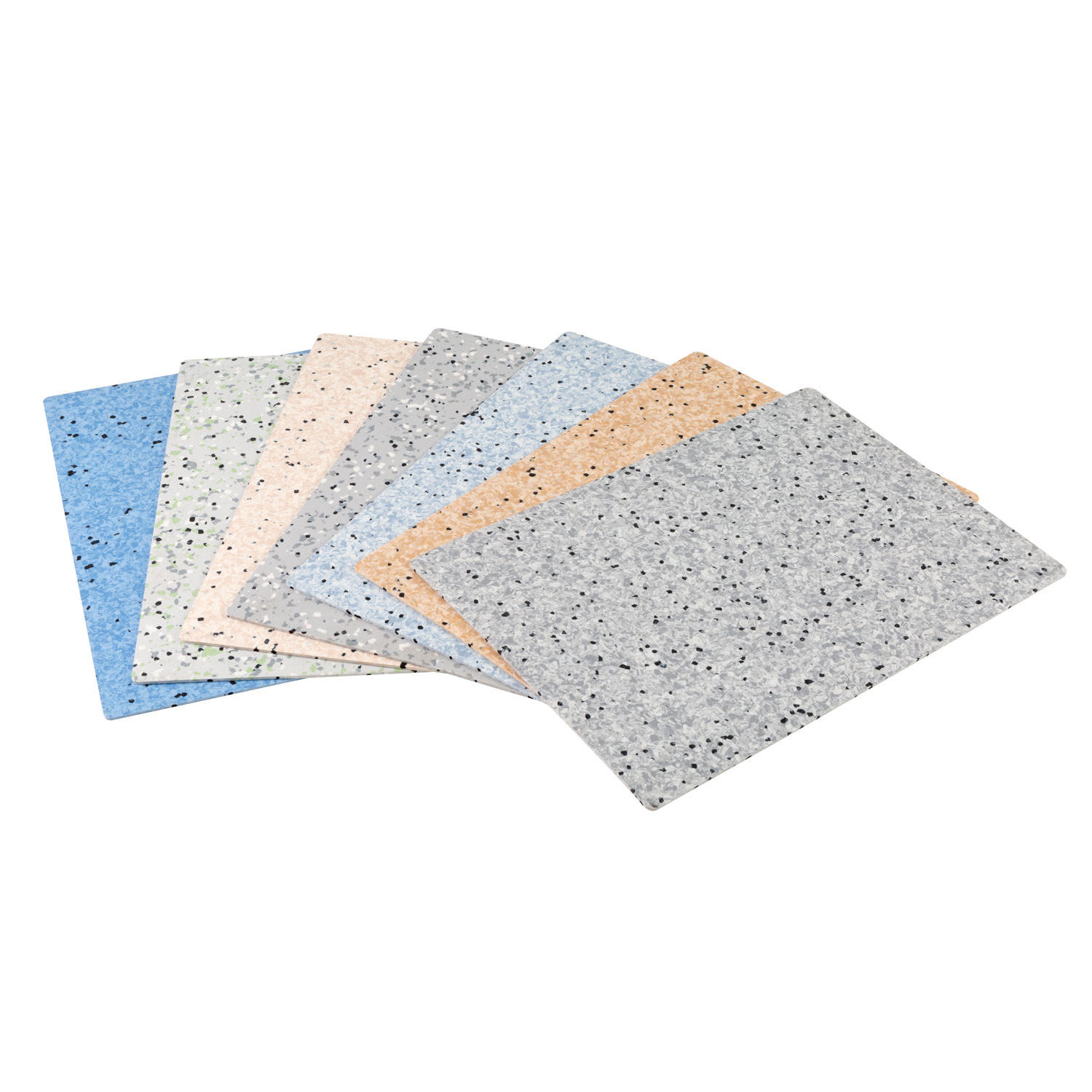
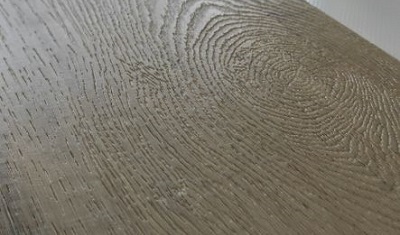
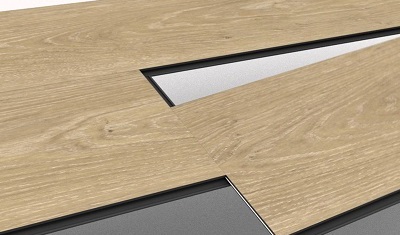
Wear remains visually consistent
Because color and material are carried through the body, normal wear does not immediately expose a contrasting printed substrate. This is useful where the floor sees persistent traffic and long maintenance cycles.



3C-Floor manufactures homogeneous vinyl flooring for buyers who need more than an attractive sample: stable bulk supply, through-body wear performance, project-ready roll formats, OEM coordination and repeatable specifications for healthcare, education, transport and public interiors.

When procurement teams search for a homogeneous vinyl flooring manufacturer, the real requirement is usually broader than material supply. A hospital group may need a floor that tolerates continuous cleaning and welded seams. A school distributor may need dependable color and thickness from one shipment to the next. A contractor may need project quantities coordinated with matching welding rod, packing, delivery and a realistic installation schedule.
Homogeneous vinyl flooring uses a compact, consistent body rather than a decorative print layer sitting above a different core. That structure is the reason it is frequently evaluated for heavy-traffic commercial flooring, healthcare interiors, classrooms, corridors, laboratories, stations and other spaces where surface wear cannot be treated as a purely cosmetic issue.
3C-Floor approaches the category from the buyer's workflow: define the room and traffic, confirm the specification, review the sample, align color and packaging, control the production batch, then prepare the goods for project or distributor delivery.
Look for consistent formulation, controlled thickness, a dense surface, suitable PUR/UV treatment, clear roll tolerances, seam-welding compatibility, application-specific test documentation, batch traceability and an OEM process that can be repeated on future orders.
The value of homogeneous vinyl is not a single marketing claim. It comes from how structure, surface treatment, installation and maintenance work together over the life of the floor.
Because color and material are carried through the body, normal wear does not immediately expose a contrasting printed substrate. This is useful where the floor sees persistent traffic and long maintenance cycles.
A compact surface with PUR or UV treatment can simplify day-to-day maintenance and support stain-management routines appropriate to institutional and commercial environments.
Commercial installers can use compatible vinyl welding rod to close sheet joints where a more continuous surface is required, especially in healthcare, laboratory and hygiene-sensitive rooms.
Corridors, classrooms, terminals and public facilities need a floor selected for repetitive foot traffic, carts and cleaning equipment—not only appearance under showroom lighting.
Depending on the floor condition and maintenance program, homogeneous material can be mechanically restored more effectively than a decorative surface that relies on a thin printed layer.
For multi-site projects or distributor programs, documented thickness, roll size, finish, color reference, packing and batch records make repeat purchasing more predictable.
Homogeneous flooring is chosen as a system: room environment, surface color, roll direction, welded joint color and maintenance expectations should be reviewed together before bulk production.


Good project specifications reduce later arguments about price, performance and installation. The following ranges and questions are more useful than choosing a product by color alone.
| Specification Point | 3C-Floor Supply Direction | Why Buyers Should Define It |
|---|---|---|
| Total thickness | Typical 2.0–3.0 mm | Thickness influences product weight, feel, project specification and cost. Confirm the exact requirement instead of assuming thicker is always better. |
| Roll width | Typical 2.0 m | Roll width affects seam planning, installation yield and the number of heat-welded joints required in corridors and large rooms. |
| Roll length | Typical 20–25 m | Length should be coordinated with room dimensions, lifting access, storage, cut plans and installer handling. |
| Surface treatment | PUR / UV options | Surface treatment changes initial cleaning, stain management and maintenance expectations. Confirm project chemical and cleaning routines. |
| Visual direction | Directional / non-directional project options | Pattern direction changes installation layout, visual consistency and material yield across large spaces. |
| Seam treatment | Heat welding with compatible PVC rod | Welded seams can support a more continuous finish in hygiene-sensitive, healthcare and high-cleaning environments. |
| Color program | Standard colors + project/OEM coordination | Multi-room projects often need zoning, contrast, wayfinding or repeat-order color control. |
| Packaging | Export and private-label coordination | Carton/roll labels, marks, pallet strategy and documentation matter for distributors and multi-container deliveries. |
| Compliance | Project-specific documents on request | Fire, slip, VOC, chemical, healthcare or local-market requirements must be confirmed against the exact product proposed for the order. |
The best use cases share one characteristic: the floor must keep working under frequent traffic, cleaning and operational pressure, long after the initial handover.
Corridors, treatment areas, wards and support spaces where cleanability, sealed joints and maintenance planning are critical.
Classrooms, circulation zones, libraries and teaching buildings requiring durable, easy-care resilient flooring.
Large public interiors that need consistent visual appearance across open spaces, corridors and repeated room types.
Busy passenger environments where flooring is selected for continuous footfall, luggage movement and cleaning routines.
Spaces where project teams may need welded seams, controlled cleaning and application-specific chemical-resistance review.
High-use circulation areas that benefit from through-body visuals and straightforward routine maintenance.
Selected non-production interiors where heavy traffic and frequent maintenance call for resilient commercial sheet flooring.
Repeat projects where a documented color, specification and packing standard can simplify future purchasing.
For importers and contractors, manufacturing control is valuable only when it reduces uncertainty. 3C-Floor organizes the supply process around confirmation points that can be checked before shipment.
Application, traffic, cleaning regime, room type, destination market and mandatory compliance.
Thickness, roll format, surface treatment, color, seam strategy, packing and estimated square meters.
Review color and surface against the intended room rather than approving from a screen alone.
Production monitoring, thickness and surface checks, order records and batch traceability for wholesale supply.
Export packaging, labels, logistics coordination and repeat-order documentation for the next purchasing cycle.
A credible manufacturer should help buyers compare systems instead of forcing one material into every room.
You need through-body visual consistency, commercial roll installation, frequent cleaning, welded seams, heavy-use institutional performance or a repeatable specification for hospitals, schools, public buildings and transport interiors.
Your priority is wood/stone realism, click installation, individual plank replacement, residential styling or a floating renovation system. In those cases, LVT, SPC or heterogeneous sheet may be more appropriate.
3C-Floor combines PVC roll flooring production knowledge with OEM and export support, allowing buyers to coordinate the floor itself with project quantities, packaging, accessories and future reorders.
Controlled raw materials, calendaring/pressing processes, thickness checks and final inspection help turn an approved sample into repeatable bulk production.
Support for distributors, importers, contractors and institutional projects that need coordinated quantities rather than small retail cartons.
Color direction, specification records, branded packaging and repeat-order coordination for buyers building their own market program.
Order and production records can support issue tracking and improve consistency when buyers reorder for later project phases or stock replenishment.
Matching vinyl welding rod and related flooring categories can be sourced alongside sheet flooring to simplify commercial project purchasing.
Specification, packaging and logistics discussions are handled with the realities of container loading, destination requirements and overseas delivery in mind.
These six internal resources help buyers compare roll flooring, customization, project supply, seam accessories and static-control requirements.
Homogeneous vinyl flooring is a resilient sheet floor in which the color and material composition are consistent through the body rather than depending on a separate printed decorative layer. This makes the floor useful in commercial interiors where long-term wear, routine cleaning and visual consistency are more important than highly realistic wood or stone printing.
3C-Floor lists homogeneous flooring in a typical total-thickness range of 2.0 mm to 3.0 mm, normally in 2 m wide commercial rolls. The right thickness should be confirmed against traffic, rolling load, installation conditions, project specification and budget instead of being selected by thickness alone.
Yes. Homogeneous sheet vinyl is frequently chosen for healthcare interiors because it can be fully adhered, heat welded at seams and maintained as a continuous resilient surface. However, hospitals should confirm the exact proposed product against their hygiene, slip, fire, chemical and local regulatory requirements before approval.
Yes. 3C-Floor supports OEM and private-label buyers with specification coordination, color direction, branded packaging and repeat-order records. Send your target market, product specification, quantity, branding requirements and expected annual purchasing plan so the factory can recommend a practical program.
For demanding commercial use, the substrate should be dry, smooth, structurally sound and prepared to the adhesive and flooring requirements. The sheet is normally fully adhered; seams can then be grooved and heat welded with compatible vinyl welding rod where a sealed finish is required. Installation should follow the adhesive, flooring and project technical instructions.
Send the room/application, required thickness, roll format, color or design reference, surface treatment, estimated square meters, mandatory standards, packaging/private-label needs, required delivery date and destination port. If you have an existing competitor sample or project specification, include that information for comparison.
Send your specification, quantity, destination and target application. 3C-Floor can help you compare the right roll format, sample direction, OEM requirements and export supply plan before you place a bulk order.