- 0086 13321818576 (Steven Lee)
- info@3c-floor.com
3C-Floor supplies luxury vinyl plank flooring for importers, distributors, retailers, contractors, developers, and flooring brands that need commercially practical products rather than generic catalog options. This page is built around how professional buyers actually compare an LVP flooring manufacturer: structure, wear performance, décor quality, click system logic, customization flexibility, quality control, lead time stability, and shipment execution.
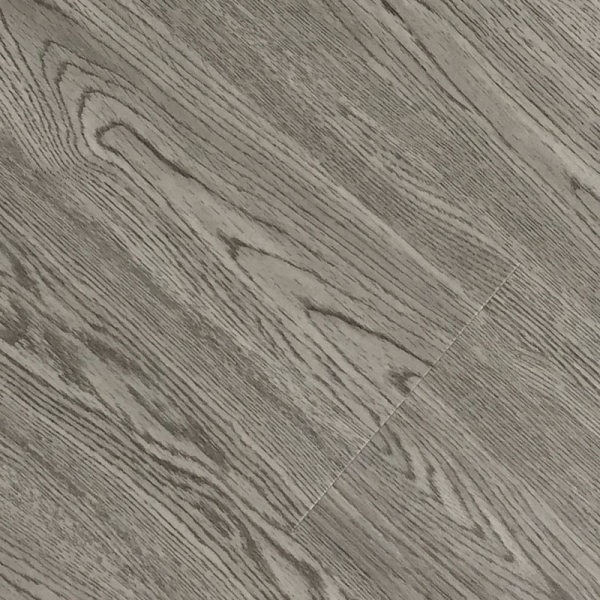
LVP flooring stands for luxury vinyl plank flooring. It is a multilayer resilient flooring product engineered to deliver the visual appeal of wood with the maintenance practicality, moisture resistance, and installation flexibility expected from modern vinyl flooring. For most buyers, LVP is not just a decorative product. It is a specification decision tied to channel strategy, target price, wear expectations, and installation method.
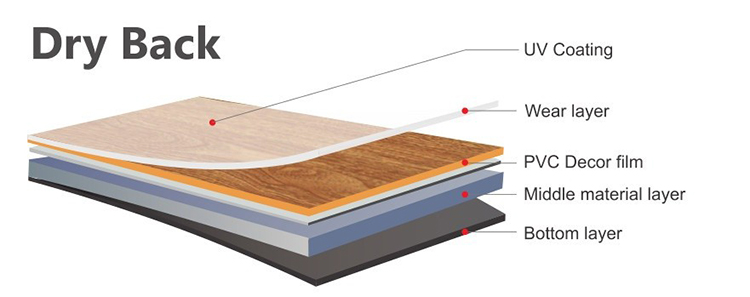
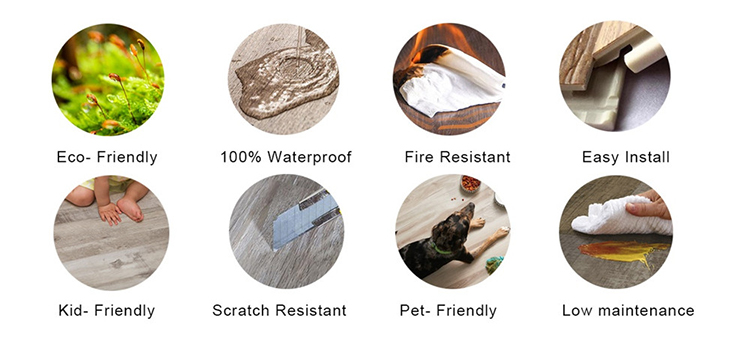
When procurement teams search for an LVP flooring manufacturer, they are usually not looking for a basic commodity quote. They are trying to find a supplier that can align décor development, product construction, click-lock or dry back options, carton presentation, production planning, and shipment execution into a repeatable commercial system. That is especially important for private label programs, multi-SKU retail lines, distribution channels, and project flooring packages.
In practical market language, LVP often overlaps with LVT. The difference is that LVP generally emphasizes the plank format and wood-look segment, while LVT is the broader luxury vinyl tile category that may include both plank and tile visuals. Buyers also compare LVP with SPC rigid core flooring because both categories can serve overlapping residential and commercial interiors. The right choice depends on underfoot feel, rigidity, subfloor conditions, traffic expectations, and installation preference.
Talk with 3C-Floor about click LVP flooring, dry back plank options, OEM branding, commercial wear layers, custom carton design, and export delivery planning for your market.
Suitable for distributors, flooring brands, wholesalers, fit-out contractors, retailers, and project buyers.
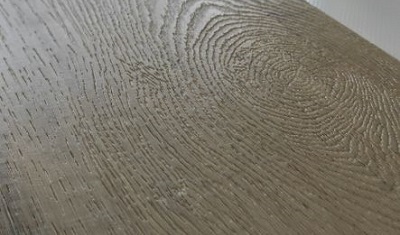
LVP is purchased because it combines saleable design with practical flooring performance. Realistic wood grain visuals, embossing alignment, color consistency, and surface clarity matter in both retail sampling and project approval.
Luxury vinyl plank is widely selected for spaces where easy cleaning and water resistance are essential. Kitchens, living areas, hotel rooms, offices, and many retail interiors all benefit from an easy-maintenance plank floor.
A capable vinyl plank supplier helps buyers choose wear layers based on actual end use rather than defaulting every program to the same construction. Residential, multifamily, hospitality, and commercial channels do not always need the same build.
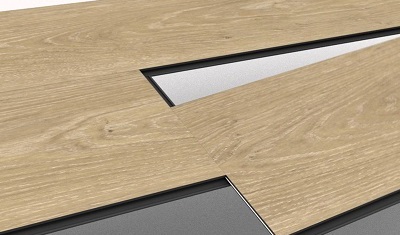
Different markets prefer different structures. Click LVP, glue-down LVP, and rigid-related systems each serve different installation environments, price positions, and sales channels.
Custom labeling, packaging, dimensions, surface textures, and décor strategy help distributors and brands build distinct flooring collections instead of competing on identical stock items.
A serious flooring manufacturer manages raw materials, construction consistency, surface finish, sizing tolerance, packing accuracy, and pre-shipment inspection in a disciplined way that supports repeat orders.
Actual LVP flooring specifications depend on the target program, channel positioning, and market standard. The table below shows a common specification framework for OEM, distribution, and project discussions.
| Product Type | Luxury Vinyl Plank (LVP), dry back plank, click LVP, related rigid vinyl programs |
|---|---|
| Thickness Range | Common OEM programs typically start from light residential builds and scale upward for heavier traffic categories |
| Wear Layer Options | Customized according to residential, multifamily, hospitality, office, retail, and light commercial use |
| Surface Options | Wood grain embossing, registered texture direction, matte finish, low-gloss finish, commercial-grade wear surface |
| Installation Options | Glue down, click-lock, floating installation, market-specific specification matching |
| Core / Structure | Flexible LVP and related rigid-compatible program development depending on customer brief |
| Edge Options | Square edge, micro-bevel, visual-enhancement edge profile |
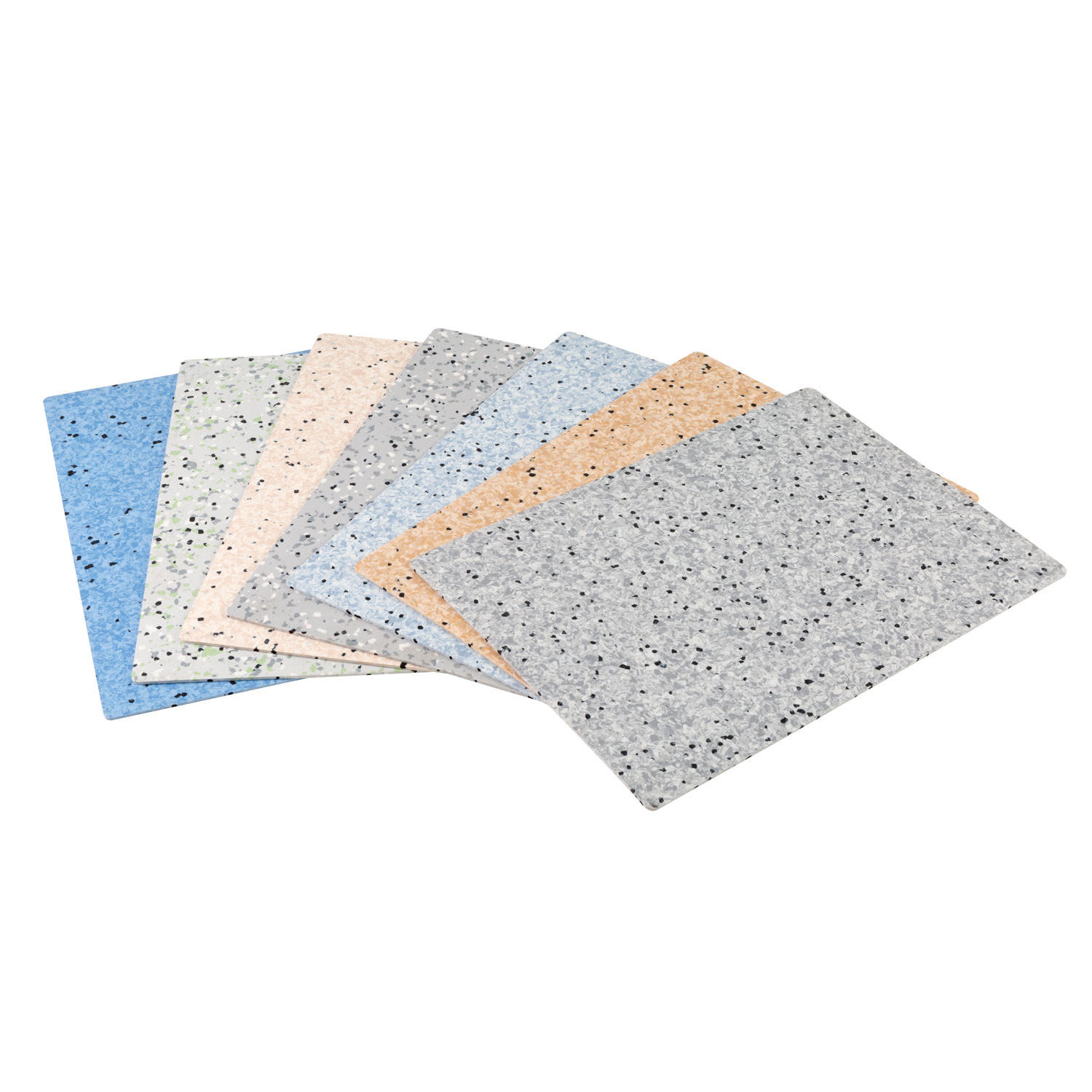
| Design Options | Oak look, walnut look, ash look, modern gray tones, natural wood visuals, regional décor development |
| Packaging | Neutral export cartons, OEM printed cartons, barcode labels, pallet configuration planning |
| Compliance Support | Project-oriented documentation and certification coordination according to order and target market requirements |
Final data should be adjusted to your exact product structure, target wear class, market standard, and installation system before publishing as a fixed production spec.
LVP flooring is valuable because it is commercially versatile. It fits channels that want attractive wood visuals but cannot accept the maintenance cost, moisture sensitivity, or installation limitations of many traditional materials.
3C-Floor is positioned as a vinyl flooring manufacturer with public-facing coverage across SPC flooring, WPC vinyl flooring, LVT flooring, LVP flooring, and PVC flooring categories. For buyers, that is useful because LVP selection rarely happens in isolation. It usually sits inside a wider resilient flooring strategy.
Send your target thickness, wear layer, décor direction, installation type, carton requirement, and estimated quantity. 3C-Floor can help you move from product idea to factory-ready supply.
LVP flooring offers easier maintenance, stronger moisture resistance, and more predictable cost control. Solid wood may deliver natural authenticity, but it can involve higher maintenance and greater environmental sensitivity.
Luxury vinyl plank is often preferred where water resistance is more important. Laminate may remain price-competitive in some markets, but LVP is usually chosen when buyers prioritize moisture tolerance and easier upkeep.
LVP generally feels more flexible and comfortable underfoot, while SPC is more rigid and can be a stronger fit for certain subfloor conditions or higher-traffic commercial settings. The better option depends on channel, structure, and specification target.
LVP is faster to install in many renovation settings, more comfortable underfoot, and easier to maintain in everyday interiors. Tile remains a classic option, but vinyl plank is often selected when speed and practicality matter more.
WPC flooring can deliver extra comfort because of its foamed core structure, but LVP may offer a more direct route for buyers focused on classic plank programs, dry back installation, or simpler product architecture.
Sheet vinyl can be useful in certain environments, but LVP is usually chosen when the goal is a higher-value wood-look presentation with plank format merchandising and stronger design positioning.
A distributor preparing to expand its mid-range residential flooring line needed a wood-look luxury vinyl plank program that would be commercially attractive, easy to explain to dealers, and practical for repeat container orders. The target requirement was not simply “cheap vinyl plank.” The buyer needed décor consistency, market-ready packaging, suitable wear performance, and dependable shipment coordination.
3C-Floor supported the program by helping define the product construction, décor direction, packaging logic, and sample sequence. The collection was organized around popular oak-look and modern neutral visuals, with specification options shaped around the distributor’s intended price band and channel expectations. Carton artwork and labeling were aligned with the customer’s branding strategy, while production planning focused on balancing launch speed with order repeatability.
The result was a more commercially usable LVP program: clearer product differentiation, improved buyer confidence at the quotation stage, and a smoother path from sampling to repeat-order supply. This is why many buyers prefer working with an LVP flooring manufacturer that understands both product engineering and commercial rollout.
For many buyers, customization is not an add-on. It is the actual reason they work with a factory instead of buying generic inventory. A dependable manufacturer should make custom work easier to execute, not harder to control.
To strengthen topical relevance and help visitors continue comparing product structures, this page reserves six related internal links that fit naturally with an LVP flooring manufacturer topic.
Share your target market, reference décor, desired construction, quantity range, and delivery plan. 3C-Floor can help you build a luxury vinyl plank program that is practical to quote, sample, produce, and ship.
A professional manufacturer provides product engineering, décor selection, structure planning, production control, packaging, and shipment support. That is very different from a simple trading quote with limited visibility into manufacturing logic.
LVP usually refers to plank-shaped luxury vinyl flooring designed to mimic wood. LVT is the broader category that can include both tile and plank formats. In everyday commercial use, LVP is often treated as the wood-look plank segment within LVT.
Yes, LVP flooring is commonly chosen for its waterproof or highly water-resistant performance. Final behavior also depends on the product structure, seam control, and correct installation method.
Yes. OEM and custom support can include décor choices, plank size, thickness strategy, wear layer, embossing, click system matching, carton design, and private label presentation.
Start with the application, subfloor condition, customer expectation, and price position. LVP may suit buyers who want a classic plank feel and flexible product strategy, while SPC can be preferred where extra rigidity and certain installation advantages are more important.
Send product type, thickness range, wear layer requirement, décor direction, installation system, quantity, packaging needs, target market, and delivery destination. That helps the factory respond with a more commercially useful quotation.