01
Solar Gain
Large glass panels can heat the finished floor well above the ambient air temperature. Record the most exposed areas, not only the thermostat setting.



LVT can be a practical flooring choice for conservatories and sunrooms because it combines easy cleaning, water-tolerant vinyl construction and realistic wood or stone visuals. The critical issue is not simply choosing “waterproof LVT.” Buyers must match the exact construction and installation method to direct sunlight, thermal cycling, subfloor conditions, traffic and the product’s stated temperature limits.
Quick answer: start with a conservatory condition audit. For intense sunlight or large glazed areas, bonded dry-back LVT is often worth evaluating because the floor is fully adhered; rigid-core click flooring can be attractive for fast renovation but must be specifically approved for the expected solar gain and temperature range. Always confirm the exact flooring, adhesive or underlayment, expansion requirements and warranty conditions before specifying a glass-heavy room.

Yes—when the product is selected for the conservatory rather than for an ordinary temperature-controlled living room.
LVT conservatory flooring works best when five conditions are controlled: the exact product can tolerate the expected temperature range; direct-sunlight exposure is within the manufacturer’s guidance; the subfloor is dry, flat and stable; the installation system is suitable for the room; and the wear surface matches the traffic entering from the garden or patio.
A waterproof vinyl body is useful for wet shoes and routine cleaning, but “waterproof” does not automatically mean “UV-proof,” “heat-proof” or suitable for every unheated conservatory. For a wider explanation of moisture claims, compare the current 3C-Floor waterproof LVT flooring range and selection guidance.
Large glass panels can heat the finished floor well above the ambient air temperature. Record the most exposed areas, not only the thermostat setting.
Unheated conservatories can move between cold nights and very warm daytime conditions. Confirm the exact product’s permitted range before ordering.
Sand, grit, soil, pets and wet shoes increase surface abrasion. Entrance mats and a suitable wear layer can matter more than total plank thickness.
Concrete slabs still require moisture and flatness assessment. Waterproof flooring is not a substitute for a properly prepared substrate.
The safest purchasing logic is to match the installation system to the room’s thermal behavior and site conditions instead of assuming that one LVT format is universally better.
Strong starting point for: large glazed rooms, low-profile renovations, permanent installations and projects that want the floor bonded across the substrate.
Confirm: flooring approval + adhesive approval + substrate preparation as one system.
Strong starting point for: fast renovation and projects that prefer a floating click system with reduced adhesive work.
Confirm: room size, glazing, expansion, underlayment/backing and floor-temperature conditions before bulk supply.
Evaluate when: replacement speed, access or phased renovation is important and the specific loose-lay system is approved for the site.
Confirm: movement control, room perimeter, direct sunlight and maintenance pattern with the selected system.
For a deeper system comparison, use the 3C-Floor LVT Buying Guide before finalizing the installation format.
A wood-look floor can be visually perfect and technically wrong. Use the room conditions below to turn an interior-design choice into a purchase-ready specification.
| Conservatory Condition | What It Changes | What the Buyer Should Confirm | Specification Direction |
|---|---|---|---|
| Strong south/west sun or large roof glazing | Higher finished-floor temperature and stronger UV exposure | Direct-sun approval, temperature range, color/UV information, blinds or solar-control strategy | Evaluate bonded LVT or an approved rigid system; never select by “waterproof” claim alone |
| Unheated winter use | Wider cold-to-hot daily and seasonal swing | Minimum and maximum service/installation temperature for the exact SKU and adhesive | Use only products specifically permitted for those conditions |
| Garden / patio entrance | More grit, water, pets and abrasive soil | Wear layer, surface treatment, entrance mat plan, cleaning routine | Choose surface durability around actual traffic rather than total plank thickness alone |
| Concrete slab | Moisture and flatness can affect installation | Subfloor moisture, flatness, primer/smoothing system, adhesive or underlayment | Prepare the substrate before installation; flooring cannot correct a wet or uneven slab |
| Underfloor heating | Repeated controlled heating changes floor-system conditions | Compatibility of flooring, adhesive/backing and heating system; commissioning instructions | Follow the exact product system limits—do not apply a universal temperature rule |
| Heavy furniture / point loads | Can cause indentation or restrict floating movement | Indentation performance, furniture pads and floating-floor restrictions | Separate wear resistance from indentation and load planning |
| Open-plan transition to house | Large continuous floor areas can change movement and transition planning | Maximum area, doorway transitions, expansion requirements and floor-height build-up | Plan the whole connected floor system before ordering one room in isolation |
Buyer shortcut: for a glazed room, request the product’s installation guidance before you approve the color. The décor is easy to change; the wrong thermal or installation system can be expensive to correct after the floor is laid.
3C-Floor supplies multiple LVT constructions. Use these fields as an RFQ framework, then confirm the exact SKU for the room conditions and target market.
The wear layer protects the decorative film from surface abrasion, but it is not a substitute for verified thermal or UV performance.
A low-traffic, shoes-off sunroom and a conservatory connected directly to a garden door create different wear conditions. Grit dragged in on shoes can be more abrasive than ordinary indoor footfall, while dining chairs, pet claws and movable planters can add localized wear.
3C-Floor currently lists LVT wear-layer options from 0.2mm through 0.7mm across different product programs. The right tier depends on traffic, surface treatment, maintenance plan, target channel and the tested performance of the final SKU.
Use the LVT wear layer selection guide to compare 0.2mm, 0.3mm, 0.5mm and 0.7mm positions before building the conservatory flooring specification.
Important: total flooring thickness and wear-layer thickness describe different parts of the product. A thicker plank is not automatically a more wear-resistant surface.
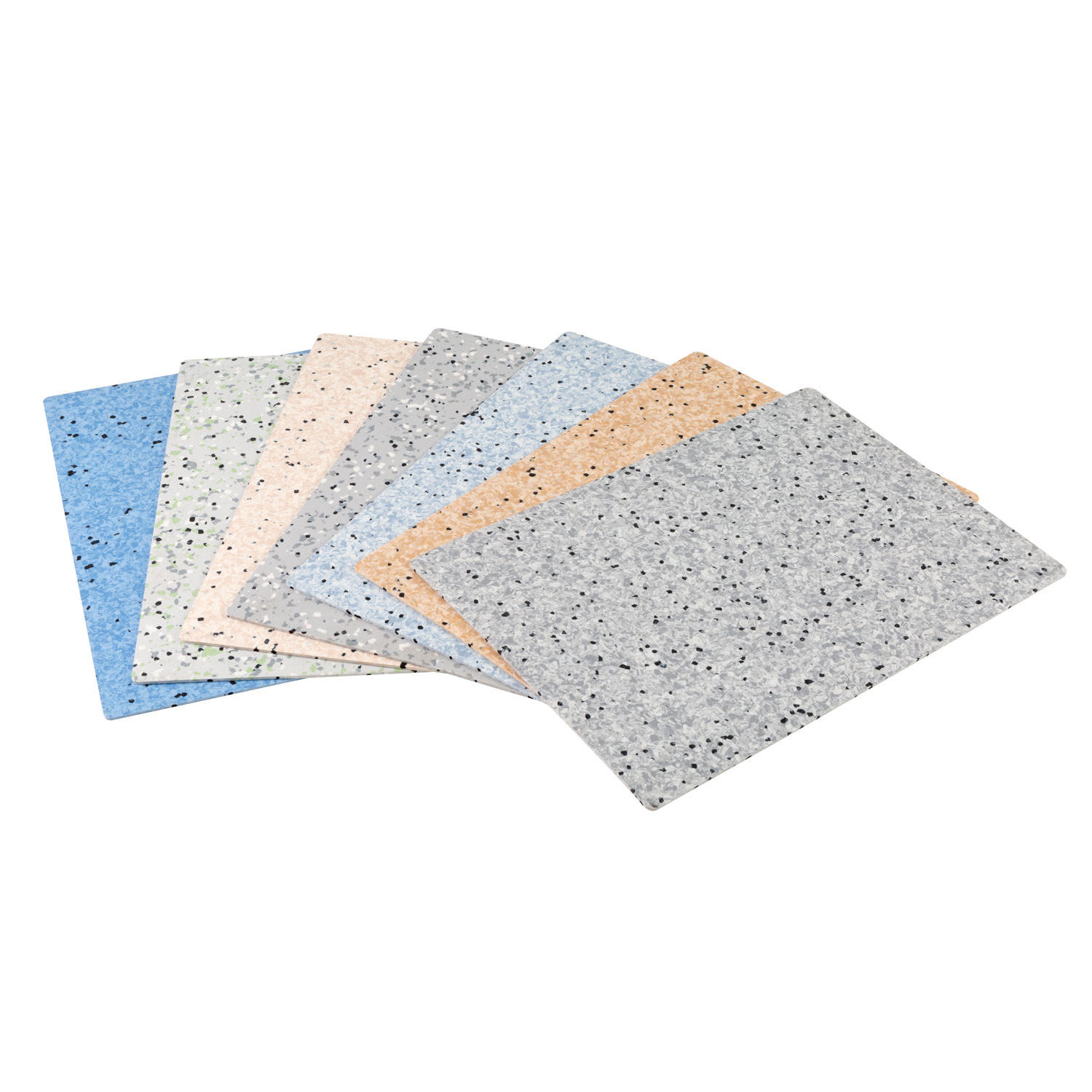
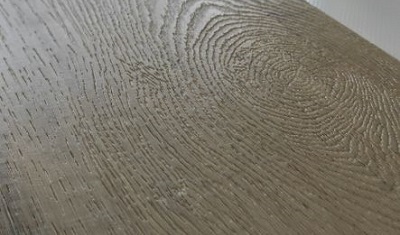
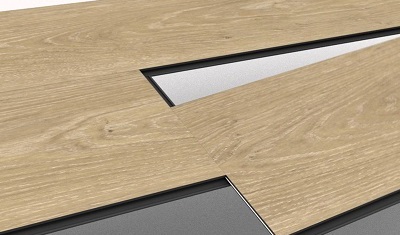
These images are hosted on the 3C-Floor website and show different parts of the product decision rather than repeating one catalogue angle.


For conservatory LVT, the specification must connect the wear surface, décor, structural layer and backing to the installation system. A thick wear layer can add abrasion reserve, but it does not prove that the product is suitable for an unheated glass room. Likewise, a rigid core can add stiffness, but the floating-floor instructions still control expansion and temperature exposure.
For buyers developing wood-look plank collections, the 3C-Floor luxury vinyl plank flooring page explains how click, glue-down and loose-lay formats change the purchase specification.
Good sourcing guidance includes the limits of the product. LVT is useful in many glazed rooms, but it should not be forced into a site condition that the selected SKU does not support.
Do not turn “best flooring for a conservatory” into one material-only answer. For a very hot, highly glazed or semi-exterior room, hard mineral flooring may sometimes be the more conservative technical direction. For a comfortable residential sunroom where the selected LVT is approved, luxury vinyl can offer a strong balance of appearance, cleanability and underfoot feel.
This sequence helps distributors, contractors, developers and private-label buyers avoid choosing a product from color and price alone.
Record glazing orientation, direct-sun hours, heating/cooling pattern and whether the room is continuously conditioned or left unheated.
Identify concrete, screed, plywood or existing floor; verify moisture, flatness, cracks, contamination and transition heights.
Compare bonded LVT, click/rigid-core and loose-lay only after the site conditions are known. Then match adhesive, pad and perimeter requirements.
Lock product code, thickness, wear layer, size, surface, backing, décor, installation instructions, documents, packing and approved sample.
If the conservatory is only one room in a larger refurbishment, use the 3C-Floor Flooring Buying Guide to compare LVT with SPC, WPC, sheet vinyl and other floor types across the entire project.
“Please quote LVT for a sunroom” is not enough information. A stronger RFQ connects room conditions to product construction and repeat-order control.
Direct answers to the questions buyers and installers should resolve before a conservatory or sunroom floor is specified.
Yes. LVT can be used in many conservatories when the exact product is approved for the expected temperature range, direct sunlight, subfloor and installation system. Waterproof construction alone does not prove that an LVT product is suitable for an intensely sunlit or unheated glazed room.
Glue-down LVT is often a strong starting point for glass-heavy rooms because the floor is bonded to the prepared substrate, but the flooring and adhesive must both be suitable for the expected heat. Click LVT can also work where the exact product permits conservatory or sunroom use and all expansion, temperature and direct-sunlight instructions are followed.
Long-term direct sunlight can affect many decorative floor coverings. Confirm the exact LVT product’s UV and color-stability information rather than assuming that the wear layer or waterproof core alone prevents fading. Solar-control glazing, blinds and shading can also reduce exposure.
No. Waterproof performance addresses water exposure to the flooring material. Conservatory suitability also depends on temperature range, solar gain, dimensional stability, subfloor moisture, installation method and the manufacturer’s installation instructions.
Some LVT systems are compatible with underfloor heating, but the exact flooring, adhesive or underlayment and heating system must be checked together. Follow the product-specific surface-temperature, commissioning and installation instructions rather than using one generic temperature limit for every LVT construction.
Choose the wear layer around actual traffic, entrance grit, furniture movement, cleaning frequency and market positioning. 3C-Floor LVT programs include 0.2mm to 0.7mm wear-layer options depending on construction; the final selection should be confirmed with the exact SKU and application.
Only when the exact LVT product and installation system are approved for the low and high temperatures that the unheated room can reach. An unheated conservatory can experience a wider temperature swing than a normal living room, so product-specific limits are essential.
Send room type, location or target market, direct-sunlight exposure, expected temperature conditions, subfloor, installation method, underfloor-heating requirement, overall thickness, wear layer, plank or tile size, surface, backing, color, quantity, packaging needs, required documents and destination port.
Send 3C-Floor the room conditions before choosing the final plank. We can discuss LVT structure, installation route, wear layer, décor, surface, OEM packaging and project supply around the specification you actually need.
Attach or list: