Click LVT
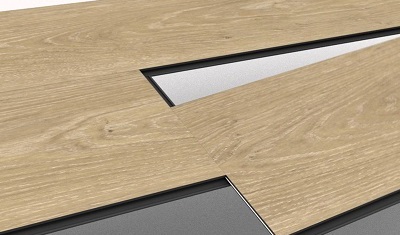
Floating construction can reduce adhesive work and keep installation sequencing simple.



LVT Comparison Guide · Buyer & Project Edition
The right floor is not decided by thickness or product name alone. Compare installation speed, subfloor demands, traffic, rolling loads, repair strategy, moisture exposure, comfort and total project cost before you choose.
Start with the project, not the catalog
Click LVT, glue down LVT, loose lay LVT, SPC and laminate can all be good products. Their strengths appear in different site conditions. Use this first-pass matrix to narrow the specification before comparing colors and price.
Short answer: choose click LVT for fast floating installation, glue down LVT for permanent low-profile commercial work, loose lay LVT when replacement speed matters, SPC when a rigid click core is valuable, and laminate mainly for dry interiors where wood-like feel and value are the priority.
Floating construction can reduce adhesive work and keep installation sequencing simple.
A bonded floor is a strong starting point for large, busy and permanent interiors.
Useful when access, phased work and individual plank replacement are important.
Rigid mineral-filled core supports click installation and dimensional stability.
| Decision factor | Click LVT | Glue Down LVT | Loose Lay LVT | SPC | Laminate |
|---|---|---|---|---|---|
| Installation concept | Floating click-lock | Full-spread adhesive | High-friction / loose-lay system; perimeter or pressure-sensitive adhesive may be project-dependent | Rigid floating click | Floating click |
| Best first use case | Fast renovation | Permanent commercial | Fast replacement | Rigid click projects | Dry residential |
| Subfloor sensitivity | Needs clean, flat and stable substrate; locking system must not bridge serious defects | Highest emphasis on smoothness because flexible material is bonded directly to the surface | Needs clean, flat and stable substrate to prevent movement or telegraphing | Rigid core can mask minor texture better, but flatness remains critical for joint life | Flat substrate and suitable underlayment are important |
| Rolling loads / large open areas | Project-specific; confirm locking and expansion requirements | Often preferred for controlled heavy commercial and rolling traffic | Evaluate traffic pattern, perimeter restraint and manufacturer instructions | Good rigidity, but concentrated loads and fixed cabinetry require floating-floor planning | Usually better suited to residential/light commercial dry interiors |
| Repair strategy | Plank replacement can require partial disassembly | Individual damaged tiles/planks can be cut out and re-bonded | Often the easiest option for individual lift-and-replace work | Similar to click LVT; replacement may require disassembly | Click plank replacement can require disassembly |
| Moisture behavior | Vinyl body resists water; installation system is not a tanking membrane | Vinyl body resists water; adhesive and substrate moisture must be controlled | Vinyl body resists water; check edges and substrate condition | Rigid vinyl body is highly moisture resistant | Product ratings vary; wood-fiber cores are generally more moisture-sensitive |
| Floor buildup | Moderate | Usually lowest profile | Low to moderate | Moderate to higher | Moderate to higher |
| Procurement focus | Locking precision, thickness, backing, expansion plan | Wear layer, dimensional stability, adhesive compatibility, substrate prep | Backing grip, dimensional stability, perimeter strategy | Core density, locking strength, attached pad, flatness tolerance | AC rating / wear class, water rating, core quality, underlayment |
Installation comparison #1
This is usually the most important LVT installation decision. Both can use realistic wood or stone designs and commercial wear layers, but the installation system changes how the floor behaves during construction and throughout its service life.
Choose click LVT when installation speed, floating construction and renovation logistics are priorities. Choose glue down LVT when low floor height, design layout freedom, rolling traffic and a firm permanent bond matter more.
Click LVT connects planks or tiles mechanically and floats over the substrate. That can reduce adhesive steps and make it attractive for apartments, residential renovation, hotel rooms, offices and areas where the installation schedule is compressed.
Glue down LVT, also called dry back LVT, is bonded directly to a properly prepared subfloor. The installed surface feels firm and low-profile, and individual planks can be replaced without dismantling an entire floating area.
“Click is easier” does not mean the substrate can be ignored. Locking joints still require flat, stable support. Likewise, “glue down is thinner” does not mean it is automatically cheaper installed: floor preparation, moisture control, adhesive and labor must be included in the total project budget.
Installation comparison #2
Loose lay and glue down can look almost identical from above. The key difference is how the product is restrained and how easily the flooring can be accessed or replaced later.
Buyer rule: if the facility expects frequent plank swaps or staged refurbishment, loose lay deserves serious consideration. If predictable permanent stability is the priority, glue down remains the safer baseline for many commercial specifications.
Material comparison #1
LVT and SPC share vinyl wear surfaces and realistic décor technology, but their cores behave differently. Traditional LVT is flexible; SPC adds a dense mineral-filled rigid core that changes thickness, stiffness, installation and underfoot feel.
| Factor | Flexible LVT | SPC Rigid Core | Selection implication |
|---|---|---|---|
| Core behavior | Flexible vinyl construction | Rigid stone-plastic composite core | SPC resists flexing; LVT follows the substrate more closely. |
| Installation choices | Glue down, click and loose lay are possible | Most commonly floating click | LVT gives more installation-system flexibility for a multi-project collection. |
| Underfoot feel | Generally softer and less rigid | Firmer; attached pad can improve acoustic comfort | Sample both constructions when guest-room or residential comfort matters. |
| Subfloor relationship | Glue down needs excellent surface preparation to avoid telegraphing | Rigid core can reduce visual telegraphing of minor texture, but joints still require a flat floor | Do not use SPC as a substitute for required leveling. |
| Heavy commercial strategy | Glue down LVT can be specified for demanding permanent commercial use | Rigid core performs well in many residential and commercial areas, subject to locking/load limits | Traffic type and rolling loads matter more than the word “SPC.” |
| Renovation height | Glue down LVT offers a very low profile | Typically thicker due to rigid core and optional attached pad | Check doors, thresholds, elevators and transitions before ordering. |
Material comparison #2
LVT and laminate are both popular alternatives to natural wood, but the core material changes how they react to water, impact, acoustics and maintenance. Modern laminate products can offer improved water resistance, so purchasing decisions should use the actual product rating rather than category stereotypes.
For kitchens, bathrooms, basements and moisture-prone projects, LVT is usually the easier specification. For dry bedrooms and living spaces where a thicker wood-based plank feel, click installation and competitive price are central, laminate remains a valid option.
| Buyer question | LVT | Laminate |
|---|---|---|
| What is the core made from? | Vinyl-based resilient construction; rigid-core versions also exist. | Usually high-density wood-fiber board with décor and protective surface layers. |
| What happens around moisture? | The vinyl body does not swell like fiberboard; seams, substrate and edges still require correct detailing. | Water resistance varies by product. Wood-fiber cores generally require more caution around repeated water exposure. |
| How is it installed? | Click, glue down or loose lay depending on product. | Predominantly floating click. |
| How does it feel? | Resilient and typically quieter/softer, especially in flexible constructions. | Harder wood-like plank feel; underlayment strongly affects sound and comfort. |
| Which gives more commercial installation freedom? | LVT, because full-bond glue down formats are widely available. | More limited where a bonded resilient floor is preferred. |
| What should a buyer verify? | Wear layer, dimensional stability, slip performance, installation method, VOC/testing requirements. | Wear/AC class, water-resistance rating, locking system, underlayment and edge treatment. |
Product display
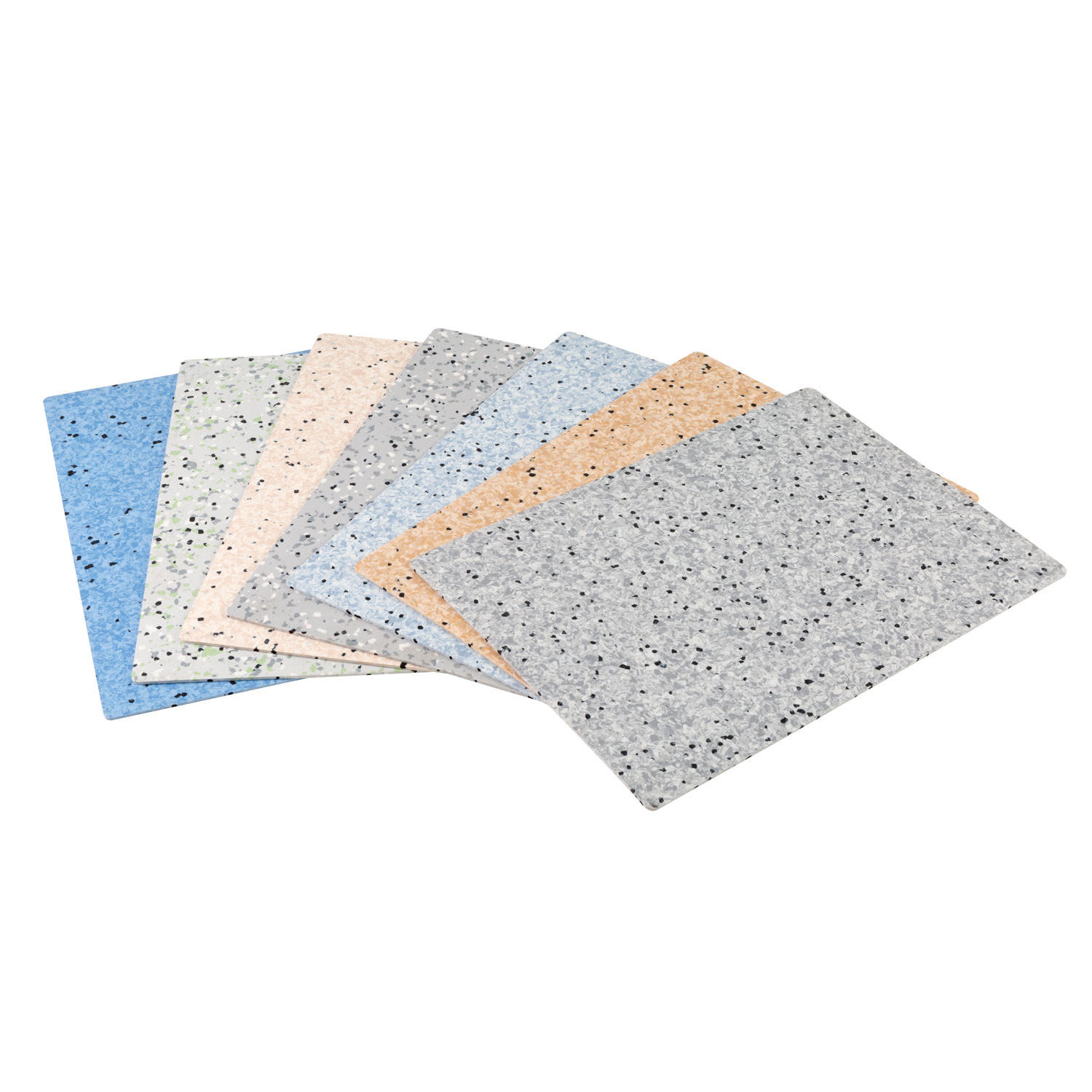
Installation method is easier to understand when buyers can see the edge, backing and flexibility of the product. 3C-Floor can prepare matching sample sets for project evaluation and distributor collection development.


Selection by application
A distributor choosing a retail collection has different priorities from a hotel contractor, apartment developer or facility manager. The same décor can be built into different LVT structures so the installation system matches the commercial reality.
Frequent traffic, display fixtures and long open runs reward stable specifications and easy damaged-plank replacement.
Start with: commercial glue down LVT; evaluate SPC for suitable floating zones.Room downtime, acoustics, corridor traffic and phased renovation can justify more than one construction in the same project.
Start with: click/SPC in guestrooms; glue down in selected busy areas.Fast turnover and replacement cost matter. Moisture resistance and realistic wood visuals usually rank high.
Start with: click LVT, SPC or glue down based on installer and maintenance model.Fast handover and future layout changes can make removable or floating constructions attractive.
Start with: click or loose lay; use glue down where rolling traffic needs control.Choose a moisture-resistant floor body, but also manage substrate moisture, perimeter details and standing water.
Start with: LVT or SPC rather than standard wood-fiber laminate. ,A good product portfolio does not need one winner. It needs clear good-better-best logic that installers and sales teams can explain.
Start with: glue down + rigid click + selected loose lay SKUs using coordinated décor families.Specification before quotation
A useful LVT quote should be based on a complete construction, not only a target price per square meter. For OEM, wholesale and project purchasing, the following data points make quotations easier to compare and reduce sampling cycles.
| Specification item | Typical 3C-Floor starting range / choice | Why it matters |
|---|---|---|
| Installation type | Click lock / glue down dry back / loose lay | Controls installation labor, substrate preparation, thickness and maintenance method. |
| Total thickness | Approx. 2.0–5.0 mm for many LVT formats; click products can be thicker depending on structure | Affects floor height, rigidity, price and construction type. Do not use thickness alone as a durability measure. |
| Wear layer | 0.2 / 0.3 / 0.5 / 0.7 mm options | Should be matched to residential, rental, hospitality, retail or heavier commercial traffic. |
| Surface | Matte, embossed, wood grain, stone texture, EIR-style options | Changes realism, cleanability, slip feel and market positioning. |
| Format | Wood-look planks, square/rectangular tiles, custom formats subject to tooling and program | Influences room scale, installation efficiency and packaging. |
| Backing / acoustic | Standard backing or acoustic solutions depending on product type | Important for click/SPC comfort, sound targets and overall thickness. |
| OEM requirements | Décor selection, carton, label, barcode, inserts, sample board and export packing | Turns a floor into a repeatable retail/private-label program. |
| Project information | Room type, traffic, subfloor, moisture, rolling loads, installation schedule, destination market | Allows the factory to recommend a structure instead of quoting an unsuitable generic SKU. |
Residential, retail, hotel, office, rental or public project—and expected traffic intensity.
Check substrate type, flatness, moisture, room size, direct sun, doors and transitions.
Choose click, glue down, loose lay or SPC; then match thickness and wear layer.
Confirm décor, surface, packaging, samples, quality requirements, quantity and shipment plan.
For importers, distributors and project buyers
Instead of forcing every project into one flooring construction, 3C-Floor supplies multiple resilient flooring systems. Buyers can compare Click LVT, dry back glue down LVT, loose lay LVT and SPC within one sourcing relationship, then align wear layer, décor and packaging with the target market.
For distributors and private labels, a useful assortment gives sales teams a clear reason for each SKU: fast renovation, commercial stability, acoustic comfort, rigid-core click installation or easy replacement. Coordinated oak, walnut, stone and neutral décor families can then be developed around those functions.
A factory price should be evaluated together with installation labor, adhesive, leveling, underlayment, waste, replacement access, downtime and service expectations. That is especially important when comparing glue down LVT with thicker floating products.
Use physical samples to confirm color, surface texture, edge detail, thickness, wear layer and construction. For repeat orders, keep approved sample references and packaging information aligned with the final production specification.
Continue your selection
Use these pages to move from comparison into the specific product structure that fits your project.
Frequently asked questions
Concise answers for buyers comparing installation systems and material categories.
No single system is better for every job. Click LVT is attractive when fast floating installation and renovation speed matter. Glue down LVT is often the stronger choice for permanent commercial installations, low floor buildup, rolling traffic and large open areas when the substrate is correctly prepared.
Loose lay LVT relies on its construction, weight and high-friction backing, with restraint methods varying by project. Glue down LVT is bonded directly to the prepared substrate with adhesive. Loose lay can simplify access and replacement; glue down provides a more permanent fixed installation.
LVT is often preferred for design flexibility, low-profile glue down construction and a more resilient feel. SPC is often preferred for a rigid click core, stiffness and dimensional stability. Compare actual traffic, floor flatness, installation method, acoustic target and repair plan before deciding.
LVT is generally easier to specify in moisture-prone interiors because the vinyl body does not swell like a wood-fiber core. Laminate can still be an excellent dry-area floor with a realistic wood feel and competitive price. Modern laminate water ratings vary, so compare the actual product specification rather than relying on category labels alone.
Glue down LVT is a strong baseline for permanent high-traffic areas because the flooring is bonded directly to the substrate. Click or loose lay can be valuable when fast handover, phased renovation or easier removal is more important. Rolling loads, room size, moisture and subfloor quality should be confirmed before final specification.
Yes. 3C-Floor can support OEM/private-label programs covering installation format, thickness, wear layer, surface finish, decorative film, plank/tile size, backing, carton design, labels, sample presentation and export packing according to order and market requirements.
Send 3C-Floor your application, area, traffic level, subfloor condition, preferred décor and target specification. We can help compare click LVT, glue down, loose lay and SPC before you request samples or bulk pricing.