Make every quotation comparable
Define total thickness, wear layer, plank or tile format, surface, edge, installation system and packing before comparing factory prices. Two offers labelled “LVT flooring” can represent very different constructions.



3C-Floor supplies luxury vinyl tile and plank flooring from China for distributors, flooring importers, private-label brands, contractors and project buyers. Build a purchase specification around click LVT, dry back / glue-down LVT or loose lay LVT, then lock the wear layer, overall thickness, size, surface, décor, packaging and required documents before bulk production. This factory-focused page is designed to help buyers compare suppliers by production control and repeat-order reliability—not only by a low square-meter price.

An LVT flooring factory in China manufactures multi-layer luxury vinyl tile or plank for domestic and export markets, typically offering formats such as click LVT, glue-down / dry back LVT and loose lay LVT. For B2B sourcing, the strongest factory is not simply the one quoting the lowest price. Buyers should verify the exact construction, wear layer, dimensions, décor approval, installation system, batch controls, packaging and required test documentation. 3C-Floor supports LVT sourcing for importers, distributors, OEM brands and project buyers, with factory information, product specifications and related LVT resources published on its website.
Most international buyers already know what LVT is. The unresolved question is whether a Chinese supplier can convert a sample, tender requirement or private-label concept into a repeatable bulk program. That shifts the buying decision from “Which color looks good?” to “Can the factory hold the specification across production and reorders?”
Define total thickness, wear layer, plank or tile format, surface, edge, installation system and packing before comparing factory prices. Two offers labelled “LVT flooring” can represent very different constructions.
Use an approved sample as a controlled reference for décor tone, gloss, embossing, dimensions and product build. For repeat orders, keep product codes and packaging identification consistent.
Click, glue-down and loose lay LVT create different requirements for subfloor flatness, adhesive, rolling loads, transitions, repair planning and renovation downtime.
3C-Floor’s current product pages cover multiple LVT installation systems. Use the format as the first sourcing filter, then specify the wear layer and design around the end use.
| LVT format | Best sourcing fit | Published 3C-Floor specification direction | Key buyer check |
|---|---|---|---|
| Click LVT flooring | Retail collections, apartments, renovation and floating-floor channels | 3.5–7.5 mm overall thickness and 0.3–0.7 mm wear layer are published on the Click LVT product page. | Locking profile, subfloor flatness, expansion plan, rolling loads and installed floor height. |
| Dry back / glue-down LVT | Commercial interiors, hotels, offices, retail and low-profile bonded installations | Current 3C-Floor dry-back content describes common 2.0–3.0 mm programs, with wear-layer choices varying by project. | Subfloor moisture/flatness, adhesive compatibility, open time, rolling and future replacement stock. |
| Loose lay LVT | Fast refurbishment, offices, hospitality rooms, rental turnover and replaceable modules | Current 3C-Floor sourcing content discusses common 0.3–0.7 mm wear-layer directions and project-defined backing/format options. | Backing grip, plank flatness, perimeter fixing, rolling loads, solar exposure and room size. |
Published product-page ranges are starting points only. Confirm the exact SKU, construction, classification and documentation for the order before approval.
Depending on the LVT construction, manufacturing can involve raw-material preparation, layer forming or calendering, printing or décor-film lamination, heat lamination / pressing, surface coating, conditioning, cutting, profiling where required, inspection and packing. The important procurement point is to link each production stage to an approved specification rather than treating factory production as a black box.
For buyers, a practical workflow is more useful than a long equipment list. Ask which controls protect the sample you approved, which records identify the production batch and how the factory handles a repeat order months later.
Distributor stock, private label, hotel, office, retail, apartment or other project use.
Choose installation type, overall thickness, wear layer, size, edge, surface and backing.
Confirm color tone, texture, gloss and a physical reference before mass production.
List required test reports or tender documents for the exact market and SKU before ordering.
Finalize carton artwork, SKU codes, labels, pallet marks and repeat-order identification.
Review product, packing and shipment details against the approved order specification.
A factory visit, live video audit or third-party inspection is much more useful when the buyer knows what to verify. Use these checkpoints to move beyond showroom samples.
For B2B buying, total thickness and wear layer solve different problems. Total thickness relates to the full build of the plank or tile, while the transparent wear layer is one of the main surface-wear specifications. 3C-Floor’s current LVT wear-layer guide positions 0.2, 0.3, 0.5 and 0.7 mm as different sourcing tiers rather than one universal “best” option.
| Wear-layer direction | Common sourcing position | Where to start the discussion | What still needs verification |
|---|---|---|---|
| 0.2 mm | Value residential | Bedrooms, guest rooms, controlled lower-traffic residential programs | Exact use classification, surface treatment, expected lifecycle and channel claims |
| 0.3 mm | Mainstream residential / selected light commercial | Apartments, rentals, living areas and mainstream retail collections | Traffic, furniture movement, installation system and cleaning conditions |
| 0.5 mm | Commercial starting point | Offices, retail, hospitality and projects with repeated daily traffic | Rolling loads, chair castors, entrance grit, surface finish and exact product classification |
| 0.7 mm | More demanding commercial direction | Busy retail, hotel corridors, public circulation and higher lifecycle targets | Full construction, test evidence, maintenance program and project-specific standards |
These tiers are purchasing starting points, not guaranteed performance ratings. Final claims depend on the complete product and applicable test results.
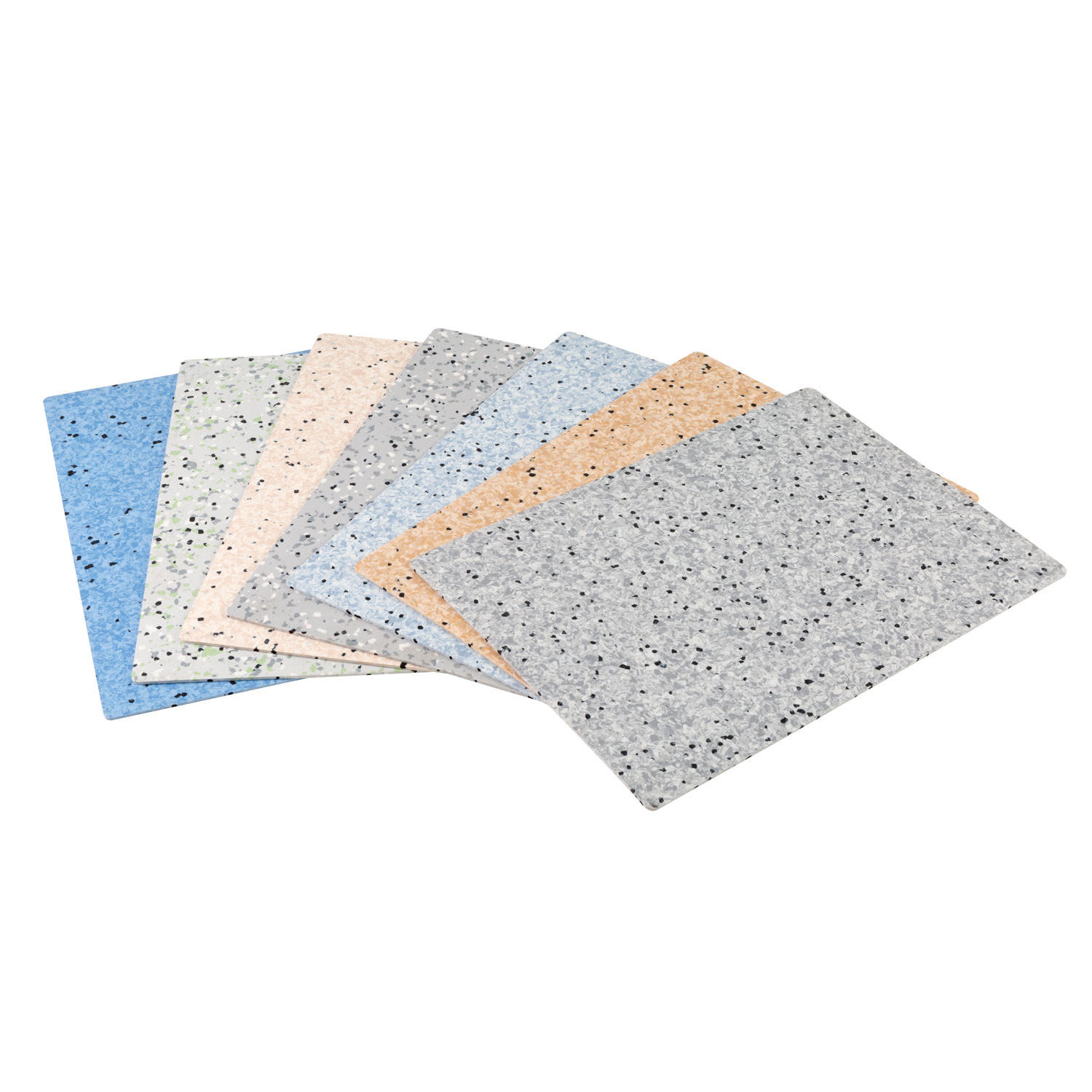
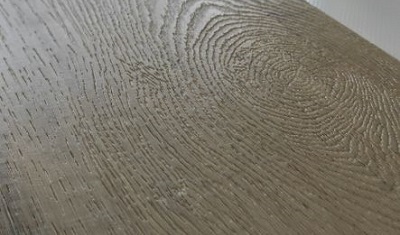
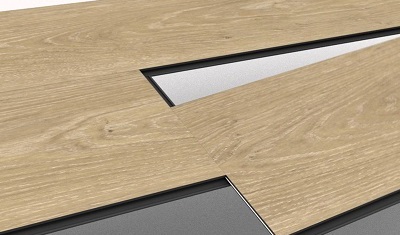
The images below use live files from the 3C-Floor domain, with descriptive ALT text intended for Google Images and accessible product browsing.


Use room conditions and maintenance demands to choose the LVT structure. “Residential” and “commercial” are only starting labels; rolling loads, floor preparation, cleaning cycles and renovation windows often decide the correct product.
Prioritize surface appearance, scuff visibility, entrance soil, display changes and replacement planning. Glue-down LVT is often considered where a stable bonded floor is desired.
Coordinate design, wear layer, luggage movement, housekeeping traffic, acoustic expectations and phased room renovation. Click, dry back and loose lay can serve different zones.
Check rolling chair zones, corridor traffic, subfloor/access-floor conditions and future layout changes. Loose lay may help where replacement flexibility matters.
Balance cost, turnover speed, visual range, repair strategy and carton availability. A controlled SKU program helps multi-unit buyers simplify replacement stock.
Build a focused group of décor references and specification tiers, then coordinate cartons, barcode/SKU logic and retained samples for repeat orders.
Start with tender requirements, floor loading, installation method and required documents. Keep the approved technical specification attached to every quotation and sample.
For a brand or distributor, OEM LVT should be planned as a system: product construction, décor, surface, packaging, SKU identity and repeat-order control. 3C-Floor’s dedicated OEM LVT flooring page describes private-label support for cartons, labels, barcodes, pallet marks and sample programs alongside product specification work.
A China LVT flooring price changes when the construction changes. For a meaningful comparison, send every candidate supplier the same RFQ.
A lower quote may use a different wear layer, thickness, format, carton quantity or surface construction. Normalize the RFQ first.
A visual sample should be linked to the exact construction, finish, dimensions and packing details that will enter mass production.
Click, dry back and loose lay solve different installation problems. Select the system after reviewing the subfloor and project workload.
Hotels, retail chains and rental programs should plan spare material, retained references and product codes before the first shipment.
Required reports should match the exact product construction and the market or tender requirement.
New distributors can reduce inventory complexity by launching a disciplined core collection and expanding after sell-through data becomes clear.
3C-Floor’s website presents the business as a Shanghai-based flooring manufacturer established in 2003 and publishes product categories covering LVT, SPC, WPC and PVC flooring. For an LVT buyer, that broader platform helps when a program needs more than one installation system or when a project should compare flexible LVT with rigid-core alternatives.
Rather than duplicating 3C-Floor’s general LVT flooring product page, this page focuses on the factory-selection and procurement process: how to define the RFQ, audit production control, approve samples, manage private label details and reduce repeat-order risk.
The 3C-Floor Factory Tour identifies the manufacturer as established in 2003 in Shanghai, China.
3C-Floor publishes click, dry back and loose lay LVT product and sourcing pages for different installation channels.
Private-label content covers product specification, décor direction, cartons, labels, barcodes, pallet marks and sample approval.
LVT is versatile, but forcing one product into every site creates avoidable risk. If a project needs a rigid-core floating system and higher dimensional rigidity, compare SPC. If a healthcare or institutional area needs a continuous sheet system with fewer seams, a PVC flooring roll or homogeneous sheet may be more appropriate. If the substrate cannot be prepared to the requirements of glue-down LVT, changing the installation system can be smarter than lowering the specification.
The sourcing question is therefore not “Is LVT good?” but “Which construction gives the lowest installation and lifecycle risk for this exact space?”
These questions reflect the commercial decisions that commonly follow a search for an LVT flooring manufacturer or factory in China.
Check the exact product specification and the factory’s method for keeping it consistent. Review the LVT construction, total thickness, wear layer, dimensions, installation system, approved décor sample, surface finish, packaging, batch identification and required test documents. Use the same RFQ for every factory so you are comparing equivalent products rather than unrelated “LVT” quotations.
3C-Floor publishes click LVT, dry back / glue-down LVT and loose lay LVT programs. The website also shows wood-look, stone-look and commercial design directions, plus OEM and private-label support. Exact sizes, wear layers, surfaces and availability should be confirmed for the selected program.
Select the wear layer by traffic and lifecycle rather than automatically choosing the thickest option. 0.2–0.3 mm commonly starts in residential programs, 0.5 mm is a common commercial starting point, and 0.7 mm can be considered for more demanding traffic. The complete product classification, surface treatment, installation and maintenance conditions still need to support the intended use.
Neither is universally better. Glue-down LVT is frequently chosen for firm, low-profile bonded installations and larger commercial areas. Click LVT is useful where floating installation and renovation speed are priorities. Compare subfloor condition, rolling loads, temperature exposure, floor-height limits, downtime and repair strategy before selecting the system.
Yes, private-label LVT can include much more than a logo. 3C-Floor’s OEM content describes specification selection, décor planning, cartons, labels, barcode systems, pallet marks and sample approval. The exact customization scope, minimum quantities and timing should be confirmed for each project before artwork or sample approval.
Compare like-for-like specifications first. Factory cost can change with click versus dry back versus loose lay construction, total thickness, wear layer, size, surface finish, number of colors, packaging, required documents and order volume. A quote is only meaningful when those variables are normalized.
Send enough detail for the factory to quote one defined product. Include LVT type, total thickness, wear layer, plank or tile size, surface texture, edge, backing or installation system, color direction, quantity per color, application, target market, packaging requirements, required test documents and destination port. Existing samples, photos or technical sheets can help align the new specification.
Consider SPC when a rigid-core click system and greater structural rigidity are priorities. Flexible LVT remains attractive for low-profile glue-down commercial flooring, design-led tile/plank layouts and projects where a bonded installation is preferred. Choose by subfloor, traffic, temperature exposure, installation method and project requirements—not by the product label alone.
Use these verified internal pages to move from factory evaluation into product selection, installation-system comparison and OEM planning.
Tell 3C-Floor what the floor must do, how it will be installed and how you plan to sell or specify it. A complete RFQ helps the factory recommend the right LVT construction and makes quotations easier to compare.