Welcome to 3C-Floor — Your Trusted Manufacturer of SPC Flooring, WPC Vinyl Flooring, LVT Flooring & PVC Flooring Rolls.
  • 0086 13321818576 (Steven Lee)
News
Current Location:Home > News

LVT Flooring Specification Sheet & Technical Data | 3C-Floor

Update:2026/10/7 22:56:20 Views:0
LVT Flooring Specification Sheet & Technical Data | 3C-Floor
3C-FLOORFLOORING · SPECIFICATION · SUPPLYTechnical selection for international flooring buyers
Luxury vinyl tile · Technical selection

LVT Flooring Specification Sheet

An LVT flooring specification sheet records the exact luxury vinyl tile construction, total thickness, wear layer, dimensions, finish, installation method and supporting performance documents. It gives flooring importers, distributors, architects and commercial contractors a common basis for comparing samples, quotations and bulk orders.

3C-Floor supplies dry back, click and loose lay LVT, with OEM and private label options. Published specifications vary by construction: the dry back listing shows 2.0/3.0 mm thickness and a 0.2 mm wear layer; the click listing shows 3.5–7.5 mm thickness and a 0.3–0.7 mm wear layer. Use this guide to define the required configuration, then request the technical data sheet for the proposed product code.

CLICK LVT / PRODUCT DETAIL
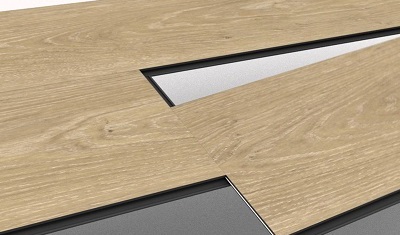
Wood-look click vinyl planks showing their dark edge profiles
3C-Floor click LVT product image. Record the exact edge profile, construction and installation instructions in the approved specification.

A product-family range helps with selection. A confirmed product-code data sheet controls the order.

Start with the construction

3C-Floor LVT specifications at a glance

Specify the installation family before comparing thickness or price. The figures below come from the published product listings; they are selection references, subject to confirmation for the ordered product code.

Published LVT product listings — construction-specific values
Specification fieldDry back LVTClick LVTLoose lay LVT
Installation familyGlue-down / dry backFloating click systemLoose lay; fixing plan to confirm
Overall thickness2.0 mm / 3.0 mm3.5–7.5 mm2.0 mm / 3.0 mm
Wear layer0.2 mm in this listing0.3–0.7 mm0.2 mm in this listing
Plank / tile format152 × 914 mm / 600 × 600 mmConfirm exact dimensions; published dimension field is incomplete152 × 914 mm / 600 × 600 mm
Before approvalAdhesive, substrate preparation, wear layer and use requirementsLocking profile, permitted underlay, movement gaps and product build-upBacking, room layout, perimeter treatment and any adhesive requirements

For a commercial tender: confirm the exact wear layer, use classification and supporting results. A published 0.2 mm product listing does not establish suitability for a heavy-traffic project. OEM alternatives must be evaluated separately.

3 constructionsDry back, click and loose lay
mm + milState wear layer in clear units
1 product codeConnect sample, data and order
Revision controlRecord the approved specification date
Read the numbers correctly

Total thickness and wear layer measure different things

LVT total thickness measures the whole floor covering; wear layer thickness measures the transparent protective layer above the décor. A thicker overall product does not automatically provide a thicker wear layer or a higher traffic classification.

The surface treatment is another specification field. Record UV/PU treatment, texture and gloss separately from wear layer thickness. Use a physical sample to approve appearance and the technical data sheet to approve construction.

What does “20 mil” mean?

One mil is 0.001 inch, equal to 0.0254 mm. A 20 mil wear layer is exactly 0.508 mm. A 0.50 mm layer is approximately 19.7 mil; state the nominal value and agreed manufacturing tolerance instead of silently treating the units as identical.

Conversion formula: wear layer in mil = wear layer in mm ÷ 0.0254.

LVT wear layer: mm to mil conversion
Nominal thicknessApproximate mil
0.20 mm7.9 mil
0.30 mm11.8 mil
0.50 mm19.7 mil
0.70 mm27.6 mil

These are unit conversions, not use ratings. Commercial suitability also depends on the complete construction, tested performance, installation system and conditions of use.

Define the build-up

What belongs in an LVT technical data sheet?

A useful luxury vinyl tile technical data sheet separates the material build-up from the installed flooring system. Record each selected layer and clarify whether any attached backing is included in the quoted total thickness.

For broader finishes and product formats, consult the 3C-Floor LVT flooring range, then narrow the selection to a specific construction and product code.

  1. Surface treatmentRecord coating and finish; approve texture and gloss.
  2. Wear layerRecord nominal transparent-layer thickness and tolerance.
  3. Decorative filmRecord décor code, color reference and layout direction.
  4. Body / coreIdentify the selected flexible LVT construction.
  5. BackingIdentify backing material and any approved attached pad.
Installation changes the specification

Dry back, click or loose lay: what must the buyer confirm?

The installation method affects adhesive requirements, floor build-up, movement detailing and replacement planning. Do not carry the instructions for one LVT family into another.

GLUE-DOWN SYSTEM

Dry back LVT

Consider dry back for a bonded floor where the project prioritizes a low build-up and individual plank replacement. Subfloor preparation and adhesive compatibility are central to the specification.

  • Substrate type, smoothness and moisture acceptance
  • Adhesive, coverage, working time and rolling procedure
  • Cure time before traffic and heavy loads
Review the dry back LVT listing
FLOATING SYSTEM

Click LVT

Consider click LVT when a floating installation fits the room layout and renovation plan. Confirm the actual locking geometry and approved installation build-up before selecting accessories.

  • Movement gaps and transition locations
  • Underlay compatibility and compressibility
  • Restrictions around fixed furniture or partitions
Check the click LVT specifications
REPLACEMENT PLANNING

Loose lay LVT

Consider loose lay when local replacement and access are important. The name does not settle every fixing detail: the specific backing, area and traffic pattern determine the approved method.

  • Backing type and substrate contact
  • Perimeter, doorway and high-traffic fixing plan
  • Layout stability under rolling or pivoting loads
Compare the loose lay LVT listing
Real product references

Match the visual sample to the ordered construction

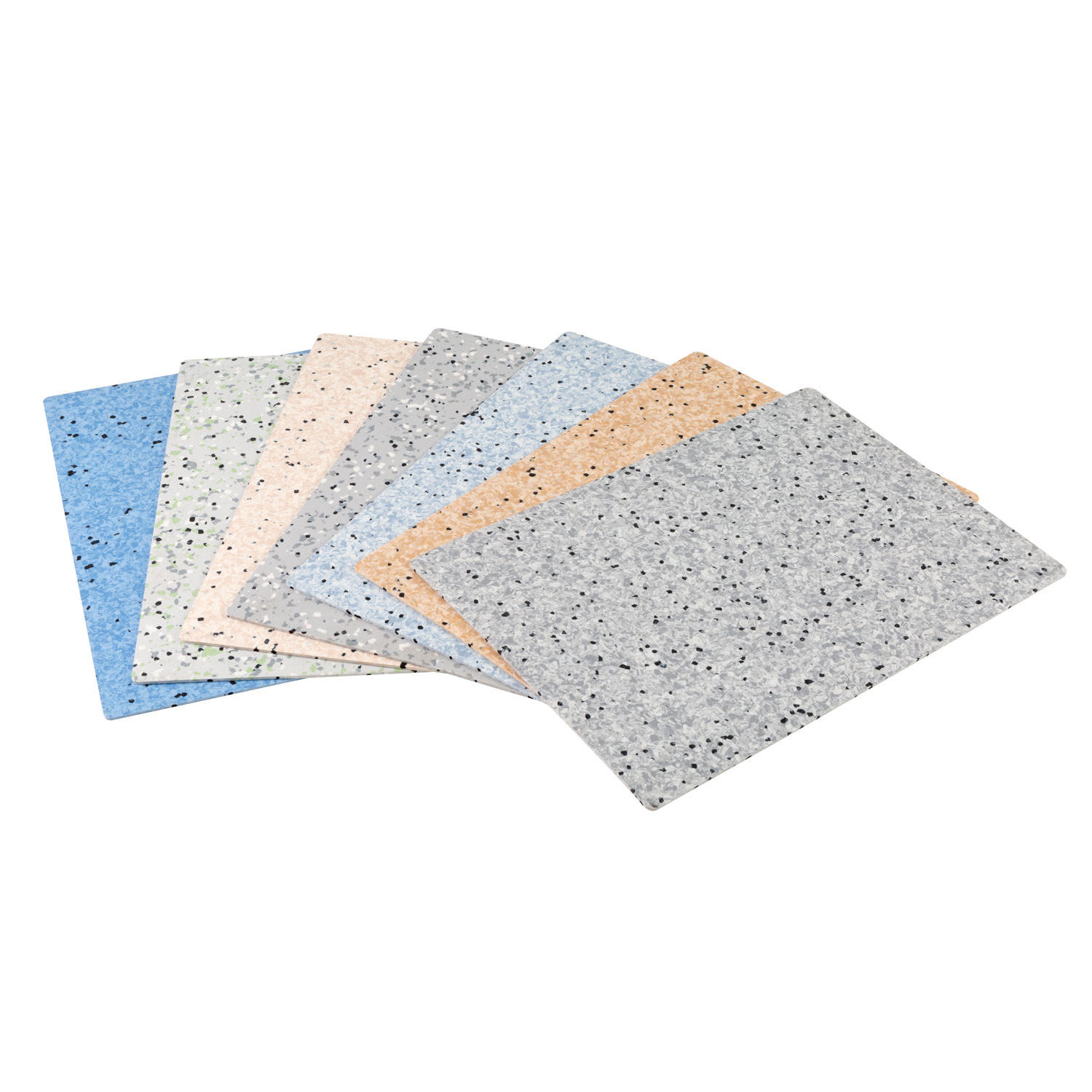
A décor image helps approve appearance. The physical sample also needs a product code and an agreed specification so that the finish, backing and installation family remain connected.

Translate the room into requirements

Which LVT specification fits the application?

Choose a wear layer and construction against the actual use conditions. The application names below help build a project brief; they do not certify a product for that use.

Residential & apartments

Record daily traffic, renovation build-up and spill exposure. If acoustics matter, request results for the complete floor assembly and approved backing or underlay.

Confirm before selection

Subfloor, door clearances, cleaning method and acoustic requirement.

Retail & offices

Record entrance grit, furniture legs, castor chairs and rolling equipment. Assess wear, residual indentation and fixing requirements together.

Confirm before selection

Use classification, relevant load results and replacement access.

Hotels & project fit-outs

Separate guestrooms from corridors and service areas. Align color batches, transition details, maintenance instructions and spare material with each room type.

Confirm before selection

Room schedule, cleaning exposure, mandatory reports and repair stock.

Evidence behind the claim

How should buyers verify LVT performance documents?

A test-method name is not a test result. Match every report to the proposed construction, thickness, finish and product identification. Record the method edition, reported value, units, laboratory, date and the project's acceptance requirement.

Technical data checklist — request results for the selected product
Property / documentReference or document typeWhat to verify
Overall thicknessISO 24346:2006Measured overall thickness, tolerance and whether attached backing is included.
Layer thicknessISO 24340:2006The relevant measured layer, nominal value and agreed tolerance.
Dimensional stability / curlingISO 23999:2025 or the edition required by the projectDirection, change, curling, conditioning and acceptance criteria.
Product specificationASTM F1700, where applicable; confirm edition and scopeThe selected construction's scope, physical requirements and supporting reports.
Indentation / rolling loadsApplicable project test reportsLoad, contact geometry, dwell time, recovery and result; distinguish static from rolling loads.
Fire / slip / emissionsMarket- and project-specific reports or certificatesExact classification, test conditions, covered product, validity and relevant assembly.
Acoustic performanceComplete assembly test reportSlab, ceiling, backing, underlay and test metric; compare equivalent assemblies.

Documentation status: this page lists reference methods and procurement checks. It publishes no measured 3C-Floor fire, slip, emissions or acoustic ratings. Request matching documents before specification approval.

Avoid gaps between sample and shipment

Keep one approved specification through the order

A usable LVT spec sheet should connect the sample, quotation, purchase order, carton label and inspection record. Record changes explicitly when a product is revised or reordered.

3C-Floor offers multiple vinyl flooring constructions, sample coordination and branded packaging support. Its published quality-control information describes checks including dimensions and wear resistance. Confirm the inspection scope and document package for your order.

For brand owners and distributors, the OEM LVT flooring program covers structure, décor, labels and packaging discussions.

Approve the sample

Record sample ID, décor code, gloss, texture, edge and backing. Keep a signed physical reference.

Freeze the data

Record product code, revision, units, tolerances and installation documents before production approval.

Check packing maths

Confirm pieces/carton, m²/carton, gross weight, pallet dimensions and agreed loading plan.

Plan repeat supply

Agree batch identification, replenishment references and repair stock. Recheck changes before each reorder.

From comparison to quotation

Build your LVT specification brief

Use this worksheet to record target requirements before requesting a quotation or technical data sheet. Download a text brief or print a compact checklist to PDF using your browser.

Target requirements are buyer inputs. They become a supply specification only after product selection, sample approval and written confirmation from 3C-Floor.

Include these details in your inquiry

  • Installation family, total thickness, wear layer and size
  • Surface, backing, décor and quantity per color
  • Application, traffic and destination market
  • Mandatory documents, packaging and destination port

This worksheet is prepared in your browser. The quote button opens the 3C-Floor inquiry page; attach or paste your downloaded brief there.

Questions buyers ask

LVT specification sheet FAQ

What should an LVT flooring specification sheet include?

An LVT flooring specification sheet should identify the product code, construction, total thickness, wear layer, dimensions, surface finish, backing, installation method and relevant performance documents. Add tolerances, packing data and a revision date so the sample, quotation and bulk order refer to the same configuration.

What is the difference between an LVT spec sheet and a test report?

An LVT spec sheet summarizes a product's declared configuration and performance information; a test report records the method, specimen, conditions and measured results. Check that the report covers the product construction shown on the sheet. A standard number alone does not prove compliance.

Is a 3 mm LVT floor always more durable than a 2 mm floor?

No. Total thickness alone does not establish LVT wear performance or suitability for traffic. Compare wear layer, surface treatment, product classification, indentation results and installation requirements. The selected construction and project conditions matter alongside thickness.

Is 20 mil the same as a 0.5 mm wear layer?

20 mil equals exactly 0.508 mm, while 0.50 mm equals approximately 19.7 mil. The terms are often rounded in product descriptions. Record the nominal value, units and agreed tolerance in the approved specification to avoid ambiguity.

Which LVT wear layer should commercial buyers specify?

Commercial buyers should choose the wear layer against expected traffic and the complete product's supporting performance data. Ask 3C-Floor to propose a configuration for the use conditions, then verify the required classification and reports. A wear layer number alone does not certify commercial suitability.

Can an LVT specification include an acoustic backing or extra underlay?

Yes, when the selected product and installation instructions permit that configuration. Record the backing or underlay material, thickness and whether it is included in total floor build-up. Confirm compatibility and request acoustic results for the relevant complete assembly.

Does a waterproof LVT product make the entire floor waterproof?

No. Product water resistance does not make joints, the adhesive, the subfloor or the room detailing a waterproof system. Record permitted moisture conditions and installation details. Do not assume ordinary LVT is approved for outdoor use, standing water or wet-room tanking.

Can 3C-Floor supply a private label LVT specification sheet?

3C-Floor offers OEM and private label LVT programs with structure, décor and packaging discussions. Request a sheet for the agreed product code, along with sample identification, matching documents and carton details. Confirm custom options, MOQ and lead time against the actual order.

Prepare a comparable factory quotation

Request the data sheet for your exact LVT configuration

Send your construction, thickness, wear layer, size, finish, backing, décor, quantity, application, market, packaging, document requirements and destination port. 3C-Floor can review the brief for wholesale, project supply or a private label program.

Ask for a coordinated approval package

  • Proposed product code and technical data sheet
  • Physical sample and décor reference
  • Relevant test documents and installation guidance
  • Packing details and quotation terms

Contact: info@3c-floor.com
Phone: +86 133 2181 8576

Product references: the 3C-Floor LVT, dry back, click, loose lay and OEM listings linked above. Product ranges were checked on 7 October 2026; the approved product-code specification and quotation govern the order.

Method references: ISO 24346, ISO 24340, ISO 23999 and ASTM F1700. Check the edition and applicability required by the project.

© 3C-Floor · Luxury vinyl flooring technical selection

Landlord hotline:
+86-021-54361792
Email:
info@3c-floor.com