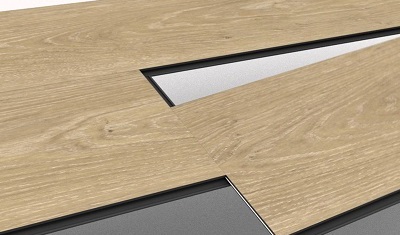
Click LVT
Higher product complexity, but it can reduce dependence on wet adhesive and support faster floating installation. A strong choice when retail convenience or renovation speed has commercial value.
View Click LVT specifications →


The useful question is not simply “What is the LVT flooring price?” It is: what specification, quantity and delivery basis does that price buy? This guide helps importers, distributors, contractors and developers compare wholesale LVT cost on an equal basis before requesting a factory quote.
Online search results mix China factory offers, wholesale trade pricing and local retail prices. Those figures are not directly comparable. A buyer sourcing containers should not use a showroom price as a factory benchmark, and a factory EXW price should not be treated as an installed project cost.
Instead of publishing a misleading “one price fits all” number, use the table below to understand where each LVT type normally sits in the cost structure and what must be confirmed before purchasing.
| LVT Type | Typical 3C-Floor Specification | Relative Factory Cost | What Changes the Price | Best-Fit Buyers |
|---|---|---|---|---|
| Dry Back / Glue Down LVT | Commonly 2.0–3.0 mm; wear layer selected by traffic level | Lower to mid | Wear layer, surface finish, décor, adhesive system requirements, commercial testing | Projects, retail fit-outs, hotels, offices, large repeat orders |
| Peel & Stick LVT | 1.5–3.0 mm common in the 3C-Floor range | Lower | Adhesive backing, film quality, carton quantity, size, surface coating | DIY retail, economical renovation programs, promotional channels |
| Click LVT | 3.5–7.5 mm on current 3C-Floor product page; 0.3–0.7 mm wear layer | Mid to higher | Core thickness, locking profile, milling precision, wear layer, backing, EIR texture | Distributors, residential collections, fast-install renovation channels |
| Loose Lay LVT | Replacement-friendly vinyl tile / plank structures | Mid to higher | Overall weight, backing design, dimensional stability, surface durability, format | Commercial maintenance, offices, managed properties, temporary or changeable interiors |
| OEM / Private Label LVT | Click, dry back or loose lay with custom carton, label, décor and specification | Project-specific | Color count, custom film, packaging print run, testing, samples, pallet marks, barcode requirements | Importers, brands, chains, distributors building exclusive collections |
A thicker product is not automatically “better” for every project. Commercial dry back LVT may be thinner than click LVT yet still be the correct solution when the substrate, adhesive and wear layer are designed for heavy traffic.
More material generally increases cost, but thickness should match the installation system and market positioning rather than being maximized blindly.
A 0.5–0.7 mm wear layer normally costs more than a lighter residential layer. This is one of the most important quote comparison points.
Click profiles require precision milling. Dry back is usually simpler in product construction but may shift cost into adhesive and subfloor preparation.
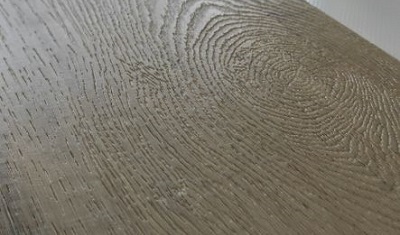
Standard embossing is more economical than premium registered embossing, custom texture development or low-volume special décor films.
A 2,000 m² order split across ten colors can be less production-efficient than the same quantity concentrated into two or three colors.
Neutral cartons are simpler. Private-label artwork, multilingual labels, barcodes, inserts and custom sample boards add setup and handling cost.
Requested fire, VOC, slip, wear or market-specific test documentation should be defined before quotation so the factory can price the correct program.
EXW, FOB and CIF are different cost bases. Ocean freight, duty and inland delivery can be larger than small product-price differences.
“What is your LVT MOQ?” sounds simple, but the operational answer depends on how many structures, colors and packaging versions you want. Public listings often show 500 m² as a starting reference, yet the commercially useful MOQ is usually measured per SKU, color or production setup.
Start with click, dry back, loose lay or self-adhesive. Mixing structures creates separate production and packing requirements.
Launch with proven colors first. More square meters per color normally improves production efficiency and reorder control.
Standard plank and tile formats usually avoid special setup and can support a more economical first order.
Private-label cartons have their own print minimums. Align carton quantity with flooring MOQ to avoid unused packaging inventory.
For distributors, a repeatable SKU is often more valuable than a one-time low MOQ that cannot be efficiently reproduced.
The correct product type can save more money than negotiating a few cents from the wrong specification. These 3C-Floor formats show why buyers should connect unit price with installation and lifecycle cost.
Higher product complexity, but it can reduce dependence on wet adhesive and support faster floating installation. A strong choice when retail convenience or renovation speed has commercial value.
View Click LVT specifications →
Often one of the most cost-efficient material structures for large areas. The buyer should budget adhesive, subfloor preparation and professional installation together with the floor price.
View Dry Back LVT specifications →
Unit cost can be above basic dry back LVT, but fast replacement and lower disruption may improve lifecycle economics in managed offices, retail spaces and commercial interiors.
View Loose Lay LVT specifications →The lowest wholesale LVT cost is not the same for every buyer. What is economical depends on where the product will be installed, how it will be sold and what happens after delivery.
Prioritize repeatable décor families, container utilization, carton strength, barcode accuracy and reorder consistency. A stable mid-market SKU can produce better margin than a constantly changing low-cost line.
Compare installed cost. Dry back LVT may be economical for large fixed areas, while loose lay can reduce downtime when future access and replacement are important.
Balance room turnover, visual standard, wear layer and maintenance. A consistent color available for replacement stock can be more valuable than a temporary price discount.
Budget artwork, carton printing, sample boards, market testing and MOQ per décor. Use standard constructions first, then add exclusive patterns after sell-through is proven.
Think beyond purchase price: installation simplicity, consumer return rate, packaging damage and product explanation all affect real gross margin.
Freeze the specification before tender comparison. If suppliers quote different thicknesses or wear layers, the apparent “cheapest” offer may not meet the same project requirement.
A useful factory quotation can usually be prepared faster when the inquiry contains the information below. If you do not know every item, send the project use and target price level and ask 3C-Floor to recommend a structure.
3C-Floor's published LVT range includes click lock, dry back, loose lay and peel-and-stick structures, with multiple thickness, wear-layer and surface options. The company also presents itself as a China-based manufacturer with more than 20 years of vinyl-flooring experience, factory-direct pricing and OEM/ODM support. For a buyer, the practical advantage is not only a lower starting price—it is the ability to remove unnecessary cost before production begins.
Ask for a stable structure and a controlled décor family rather than constantly changing to the cheapest available SKU. Consistent product codes, color standards and packaging can reduce claims, simplify sampling and make reordering easier across seasons.
Tell the factory whether the project prioritizes fast installation, a fixed glue-down surface, easy replacement or lower material cost. That helps prevent over-specifying a click product where dry back is more economical—or selecting a low-price thin product where lifecycle maintenance will cost more.
Use customization selectively. A differentiated décor, coherent carton design and market-appropriate wear layer may add genuine sales value. By contrast, unusual dimensions or too many low-volume colors can increase MOQ and manufacturing cost without improving sell-through.
A price-focused tender works only when every supplier receives the same LVT type, thickness, wear layer, surface, size, packaging and delivery basis. 3C-Floor can help turn a project brief into a comparable flooring specification before final quotation.
Use these related 3C-Floor pages to narrow the product type, bulk supply model and customization scope before requesting a final quotation.
LVT price per square meter varies widely. Public China factory references can start in the low single-digit US-dollar range per square meter for selected standard products, while thicker click LVT, loose lay, commercial wear layers and customized programs cost more. The meaningful number is a quote matched to the same thickness, wear layer, size, décor, installation system, packaging and Incoterm.
Public factory listings commonly show starting points around 500 m², but actual LVT MOQ depends on the product and how the order is split. One standard color in neutral packaging may be easier to produce than five custom colors with different branded cartons. Confirm MOQ per design, color and packaging version.
Many quotations are not for the same product. A small change in wear layer, thickness, UV coating, locking system, surface texture, backing, plank size or test requirement can move the price. Quote format also matters: EXW, FOB and CIF numbers should never be compared as if they are equivalent.
Dry back LVT often has a lower material cost because the product is thinner and does not require a milled click profile. However, the finished project may need adhesive, more subfloor preparation and professional installation. Compare installed or landed cost according to your buying role.
Use a specification that matches the actual traffic level, choose standard sizes and proven décor films, consolidate order volume into fewer colors, avoid unnecessary custom packaging on the first order, and optimize container loading. Cost engineering should remove waste from the supply chain—not remove essential performance from the product.
Send the LVT type, total thickness, wear layer, plank or tile size, surface finish, color direction, quantity per color, packaging requirement, destination port, requested certificates and preferred trade term. If you only have a project description and budget, send that first and ask for a recommended specification.
Tell us your market, installation method, thickness, wear layer, color quantity and destination. 3C-Floor can help you build a quote-ready LVT specification for wholesale, project supply, OEM or private-label purchasing.
Request A Quote