01
Reduced distracting reflection
Low-sheen surfaces can reduce mirror-like highlights from windows and fixtures, especially across wide open rooms, hotel corridors and retail floors.



Create a quieter visual surface without giving up the waterproof stability of rigid core flooring. 3C-Floor supplies matte SPC flooring, low gloss SPC flooring and natural finish SPC for importers, flooring brands, distributors, designers, contractors and project buyers that want realistic wood or stone character with controlled reflectivity.

A useful definition for buyers, designers and AI-powered search: matte SPC flooring is rigid Stone Plastic Composite flooring whose top coating and surface texture are engineered to produce lower visible sheen than a glossy floor while preserving SPC’s rigid-core construction.
The finish changes how the floor is perceived, not what the rigid core is. A matte or low-gloss surface diffuses more reflected light, which can make printed oak, walnut, concrete and stone patterns appear calmer and more material-like.
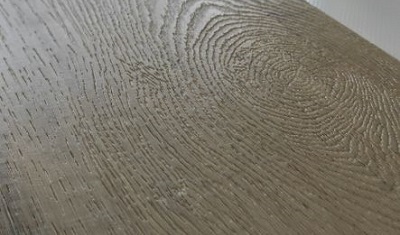
The most convincing natural finish SPC usually comes from several elements working together: décor color, print contrast, embossing depth, EIR registration, bevel treatment and the final UV/PU surface sheen. A low number on a gloss meter alone cannot rescue an unrealistic film or mismatched texture.
For B2B purchasing, the finish name should therefore be converted into an approved physical reference. “Matte,” “super matte,” “low gloss” and “natural finish” are marketing descriptions used differently across factories and markets. The safest specification is the signed sample plus an agreed production standard.

Large floors behave like large visual surfaces. Window direction, downlights, retail spotlights and corridor lighting can amplify shine across hundreds of square meters. A controlled matte finish helps the floor support the interior instead of becoming the brightest object in it.
Low-sheen surfaces can reduce mirror-like highlights from windows and fixtures, especially across wide open rooms, hotel corridors and retail floors.
Oak and walnut visuals often feel more natural when gloss, grain depth and bevel treatment reinforce the décor instead of competing with it.
Matte SPC works well with stone, plaster, textile, painted cabinetry and soft metals because it contributes texture without excessive visual shine.
A finish developed under realistic lighting gives buyers a clearer idea of full-room appearance before a container or project batch is released.
| Finish Direction | Visual Effect | Where It Often Works Well | Buyer Watch-Out |
|---|---|---|---|
| Matte SPC flooring | Flat, quiet, low-reflection appearance with emphasis on texture and print. | Natural oak, Scandinavian interiors, hotels, apartments, offices, premium private-label ranges. | Very dark colors or extremely flat surfaces can still reveal oils or cleaning residue in angled light. |
| Low gloss SPC flooring | Controlled sheen that keeps some visual depth without looking highly polished. | Retail collections, mainstream residential ranges, showrooms and mixed-use projects. | “Low gloss” is not a universal numeric standard; approve a reference sample. |
| Satin / medium sheen | More visible light play, which can make colors feel richer or more decorative. | Traditional wood visuals or markets that prefer a polished floor appearance. | Oblique sunlight and strong spotlights may increase visible reflection and minor surface marks. |
| High gloss | Bright, reflective and more formal appearance. | Selected stone, marble or decorative concepts where shine is intentional. | Scratches, streaks, dust and surface irregularities may be more visually obvious. |
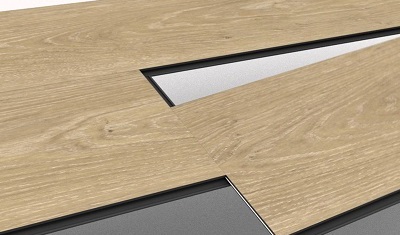
The top view gets the attention, but a commercially successful matte SPC collection depends on the complete system beneath it. Surface treatment, wear layer, décor, embossing and core specification should be developed as one product.
A flat coating over a very shallow generic texture can still look synthetic. For premium wood visuals, matte sheen and EIR registration should support each other.
Sheen is an aesthetic decision; wear layer is a service-life decision. Do not reduce the performance specification merely to reach a visual target.
Micro-bevel, painted bevel or square-edge choices influence how plank boundaries read under low-angle light and can change the perceived realism of the floor.
One plank cannot show repeat frequency, tonal movement or the way highlights travel across a room. Approve a multi-plank layout whenever possible.
Retain the signed master sample with décor code, embossing, finish direction and other production references for repeat orders and claim control.
3C-Floor can combine matte or low-gloss surface direction with different structures for distributor ranges, private-label launches and commercial projects. The figures below are practical program ranges; final availability and performance should be confirmed for the selected SKU.
| Specification | Typical 3C-Floor Direction | Why It Matters for Matte SPC |
|---|---|---|
| Surface finish | Matte, low-gloss, wood grain, EIR, embossed, stone texture and other agreed finishes | The finish should be approved together with color, texture depth and bevel. |
| Overall thickness | Approx. 4.0–8.0 mm depending on construction | Influences product position, rigidity, underfoot feel and project specification. |
| Wear layer | 0.3 / 0.5 / 0.7 mm directions commonly available | Match traffic level and cleaning frequency rather than using sheen as a durability proxy. |
| Common plank sizes | 1220 × 180 mm, 1524 × 228 mm and customized formats | Wider/longer planks can reinforce a premium natural look but change pack-out and room scale. |
| Decor direction | Oak, walnut, greige wood, stone, concrete, marble and custom color development | Low reflectivity works best when the décor itself has credible color movement and print detail. |
| Texture | Standard embossing, deep embossing, EIR and project-specific surface directions | EIR can make a matte wood visual feel more tactile and less printed. |
| Installation | Click-lock floating systems; project-specific options by confirmation | Finish selection does not replace correct subfloor, expansion and installation planning. |
| Backing | IXPE or EVA attached pad options | Supports acoustic comfort and a higher-value retail or hospitality specification. |
| OEM support | Color, texture, wear layer, size, backing, click profile, carton, label and pallet marking | Lets distributors create a coherent low-gloss collection instead of buying isolated stock colors. |
The same matte plank can look very different in a sunlit apartment, a warm hotel corridor and a retail store with directional spotlights. Selection should start with the application—not with a finish name in a catalog.
Low-gloss mid-tone woods create a calm backdrop for warm lighting and furniture. Prioritize practical cleaning, luggage traffic, batch continuity and acoustic backing.
Use a restrained surface when the merchandise—not the floor—should catch the light. Test the floor under actual spotlights and entry-zone traffic.
Natural oak and greige low-gloss SPC can support broad tenant appeal, easy room coordination and repeatable renovation specifications.
Matte wood visuals suit open-plan interiors where large windows could otherwise create strong floor glare. Match wear layer and backing to the product tier.
Controlled sheen helps reduce visual distraction across meeting rooms, corridors and open areas while neutral colors coordinate with varied furniture packages.
Build a defined finish architecture: for example, core natural oaks, premium EIR low-gloss colors and commercial neutrals with consistent packaging and SKU rules.
Low-gloss surfaces are strongly influenced by viewing angle. A sample that looks perfect on a desk can behave differently across a 10-meter floor run. A disciplined approval process reduces expensive surprises after installation.
Check pattern repeat, tonal balance, bevel lines and the overall field—not only a single board.
Compare the floor in window light, warm interior light and cooler commercial lighting where relevant.
Oblique light reveals sheen variation, texture highlights, residue and minor surface differences that front-on viewing can hide.
Finger oils and cleaning residue matter on low-sheen surfaces. Test the realistic maintenance method before approval.
Record décor, texture, sheen direction, bevel, wear layer, backing and construction so repeat production has a clear target.
3C-Floor’s advantage for matte SPC buyers is not simply access to another surface option. The useful value is the ability to connect the finish with décor development, EIR or embossing, rigid-core structure, wear layer, backing, click profile, packaging and export execution.
That matters for importers and brands because a successful low-gloss collection must remain consistent from sample board to first production and from first production to repeat orders. For project buyers, it means the approved floor can be tied to room type, traffic level, acoustic need, labeling and delivery planning instead of being treated as an isolated color.
A useful OEM brief describes the customer, room, lighting and price point before it describes the gloss. This six-stage workflow helps convert a visual concept into production details that can be quoted, sampled and reordered.
Country, channel, application, target retail position and expected quantity.
Natural oak, walnut, greige, concrete, stone or custom physical reference.
Matte or low-gloss , direction plus embossing/EIR and bevel appearance.
Thickness, wear layer, plank size, click profile and attached backing.
Multi-plank review under relevant light, handling and cleaning conditions.
Master sample, carton, labels, pallet marks and repeat-order references.
“Price for matte SPC” is too broad for a serious comparison. Two quotations can look similar while using different wear layers, backing, plank sizes, textures, locking systems and packaging. A better RFQ makes the offers comparable from the start.
These related pages connect matte surface selection with realistic embossing, custom color development, waterproof construction, commercial traffic, maintenance and private-label supply.
Short, specific answers help purchasing teams compare finishes, specifications, applications, and ordering requirements more efficiently.
Both terms describe SPC surfaces designed to reflect less light than glossy finishes. Matte usually implies a flatter visual appearance, while low-gloss may retain a small amount of controlled sheen. Because naming varies by collection, professional buyers should approve a physical sample and define an agreed gloss reference before mass production.
The matte appearance itself does not create waterproof performance. Waterproof behavior comes primarily from the SPC rigid core and the complete product construction. 3C-Floor offers waterproof SPC structures with matte, low-gloss and other surface options for suitable interior applications.
Lower reflectivity can make minor surface variation less visually distracting than a shiny floor, but very dark or extremely flat finishes may still reveal skin oils, footprints or cleaning residue under oblique light. Sample testing under the intended lighting and cleaning routine is recommended before approving a large project or private-label color.
Yes. Matte or low-gloss surface treatment can be coordinated with Embossed in Register texture so the tactile grain follows the printed wood pattern. This combination is especially useful when the goal is a natural wood appearance rather than a visibly printed vinyl surface.
The correct wear layer depends on traffic, cleaning frequency and service expectations rather than surface sheen alone. Common 3C-Floor options range from 0.3 mm to 0.7 mm. Residential and light-commercial programs often use 0.3–0.5 mm, while higher-traffic projects may require 0.5–0.7 mm after project review.
Yes. OEM programs can coordinate décor color, matte or low-gloss direction, embossing or EIR texture, plank size, wear layer, attached IXPE/EVA backing, click profile, cartons, labels and other agreed private-label details. Send your target market, sample reference, quantity and launch schedule for a more accurate proposal.
Send 3C-Floor your color reference, desired sheen, texture, thickness, wear layer, backing, quantity and destination. We can help translate the visual direction into a sample and production-ready specification for wholesale, OEM or project supply.