- 0086 13321818576 (Steven Lee)
- info@3c-floor.com
Natural oak SPC flooring combines a warm neutral oak visual with a waterproof rigid Stone Plastic Composite core. 3C-Floor supplies natural oak SPC vinyl plank for importers, distributors, flooring brands, contractors and project buyers who want a repeatable wood-look collection with configurable thickness, wear layer, matte or EIR texture, click-lock profile, optional IXPE/EVA backing and private-label packaging. For B2B sourcing, approve the oak color, grain contrast, gloss, embossing, bevel and complete plank construction together—not as separate decisions.

Natural oak SPC flooring is a rigid-core vinyl floor that uses an oak-look décor in balanced beige, honey and light brown tones. Unlike real oak, the visible wood grain is created by decorative film and surface embossing over a stable SPC core. The result is a waterproof, low-maintenance floor that can reproduce a coordinated oak visual across residential, rental, hospitality, retail and private-label flooring programs.
For the most convincing natural-oak appearance, buyers should coordinate five visual variables: base tone, grain contrast, knot density, surface sheen and embossing registration. A color that looks “natural” on a screen can shift under showroom LEDs, daylight or warm hotel lighting, so physical sample approval remains essential.
Common SPC construction planning range across 3C-Floor product guidance; confirm the final SKU and whether backing is included.
Common wear-layer directions for residential through higher-traffic programs. Choose by use, not by color.
Useful surface directions when the target is a less plastic-looking, more timber-like oak presentation.
Coordinate décor, texture, bevel, backing, click system, carton artwork and product naming as one SKU.
Natural oak sits between pale white oak and deeper brown oak. That middle position makes it easier to coordinate with common cabinet, wall and furniture palettes while still showing visible timber character.
Balanced warm neutrals can serve as a mainstream “anchor” SKU between light and dark colors in a distributor range.
Natural oak can complement white, cream, greige, charcoal and muted green finishes without dominating the space.
Create a family around one color direction by changing plank width, EIR depth, bevel, wear layer or backing instead of multiplying near-duplicate decors.

Product inspection view: review décor, grain, plank edge, click machining and cross-section together.
“Natural oak SPC” is a visual description, not a complete purchase specification. Build the order around the full plank so the approved sample can be repeated in bulk production.
| Specification Item | Natural Oak SPC Direction | Buyer Decision |
|---|---|---|
| Product Type | SPC rigid core vinyl plank | Confirm click-lock or another project-specific installation system. |
| Overall Thickness | Available by product program; common 3C-Floor guidance spans about 4–8 mm | State board thickness and attached pad separately. |
| Wear Layer | 0.3 / 0.5 / 0.7 mm directions are commonly referenced | Select by traffic, warranty strategy and channel—not by plank thickness alone. |
| Oak Color | Natural beige, honey, warm tan, light-medium oak | Approve against a physical sample under target-market lighting. |
| Surface | Standard embossed, deep embossed, matte, low gloss, EIR | Approve décor + embossing + sheen as one visual system. |
| Plank Format | Standard, wide plank or long plank options by program | Match room scale, carton weight, click geometry and market preference. |
| Backing | No pad / IXPE / EVA; other options by specification | Confirm thickness, support, acoustic evidence and total finished build. |
| Edge / Bevel | Square edge, micro-bevel or visual bevel directions by SKU | Bevel color should not make the natural oak look artificially dark at joints. |
| Packaging | Neutral or private-label program | Lock SKU code, carton artwork, color name and batch identification before production. |
Exact product data, test documentation, color codes and availability should be confirmed against the final 3C-Floor quotation, sample and SKU documentation.
For Google Images and buyer evaluation, this page uses official 3C-Floor website assets next to relevant product context. Final natural-oak color should be approved from current physical samples rather than screen color alone.
Installed visual — useful for judging how warm natural oak reads across a complete room.
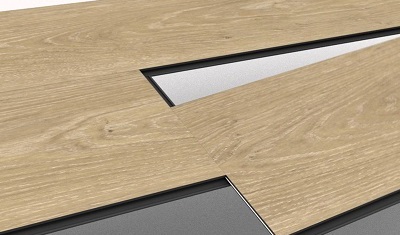
Plank detail — inspect click edge, rigid core and decorative surface together.

Layer structure — wear layer, décor, rigid core and backing solve different specification needs.
Best for: broad mainstream collections and warm-neutral interiors.
Balanced beige-to-honey direction with visible wood grain. A useful reference color when a brand wants an oak look that is neither bleached nor dark.
Best for: Scandinavian, coastal and visually larger spaces.
Lower saturation and lower contrast can feel brighter, but overly cool printing may lose the warmth buyers expect from natural timber.
Best for: cool contemporary schemes and specific regional ranges.
More neutral-to-cool pigment in the print. Coordinate carefully with warm lighting because grey can shift toward beige or taupe in real rooms.
Best for: richer, more traditional or premium dramatic interiors.
Higher visual weight and stronger grain contrast. Darker tones may show dust, scratches or lighting variation differently from natural oak.
Extreme black knots or overly sharp grain can make a warm natural-oak film look synthetic. Moderate contrast usually reads more naturally across a full room.
Lower visible reflectivity can reduce the plastic-looking highlight that appears on glossy resilient flooring, especially near windows and retail lighting.
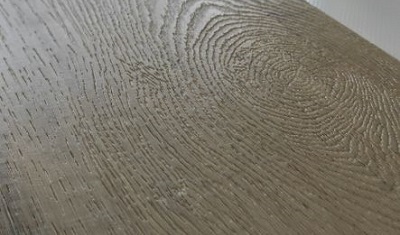
Embossed In Register aligns tactile grain with visible grain. The gain in realism is strongest when the décor, embossing plate, bevel and sheen are designed together.
Too much repetition can reveal the printed nature of the floor. Buyers should review how many distinct plank faces and rotations are planned for the final collection.
A bevel that is much darker than the oak face can make every seam appear outlined. For calm natural oak, the bevel should support—not overpower—the wood visual.
Check the physical sample under daylight, warm residential light and bright showroom light. Oak tone and sheen can change noticeably between environments.
For a deeper surface-finish comparison, see the 3C-Floor matte SPC flooring guide.
A 4–5.5 mm direction with a suitable residential wear layer can be a practical starting point for many homes and mainstream dealer programs. Confirm subfloor flatness and final click profile.
Prioritize repeatable color, practical maintenance, carton identification and replacement-stock planning. A natural oak décor can simplify coordination across many units.
Review traffic, chair movement, entrance grit, cleaning frequency, wear layer, backing, acoustics and project documentation. “Natural oak” describes appearance—not commercial durability.
Use the SPC flooring thickness guide and SPC wear-layer guide to build a traffic-appropriate product specification.
For flooring brands and distributors, the biggest risk is not choosing a good-looking first sample—it is failing to document the approved sample well enough for repeat production.
Approve physical décor, gloss, embossing, bevel and complete plank construction together.
Document décor code, film batch reference, wear layer, core, size, click profile and backing.
Match carton color name, SKU, barcode, installation information and pallet marks to the approved product.
Use the retained master reference to review shade, sheen, texture and assembled joint appearance before shipment.
Warm beige oak, honey oak, European natural oak, clean modern oak, rustic knot oak, low-contrast oak, matte oak, EIR oak, wider plank presentations and market-specific carton naming. 3C-Floor's OEM SPC flooring program provides a broader framework for private-label development.
Click system: confirm the profile and assembly method against the plank thickness, format and installer expectations. Use click-lock SPC flooring guidance when the project prioritizes floating installation.
Attached backing: IXPE or EVA can support comfort and acoustic positioning, but the pad should be specified with the rigid plank and click system. Compare options in the IXPE flooring underlayment guide.
Subfloor: rigid core does not make an uneven floor disappear. A flat, dry, clean and stable base supports seam performance and reduces vertical movement at joints.
Screen color depends on photography, device calibration and lighting. Approve a physical reference for the final oak tone.
The same name can describe many films. Record a specific décor code and master sample so repeat orders are measurable.
Thickness does not replace wear-layer, core, click, backing, surface and subfloor decisions.
Ask how the plank faces repeat across a room. Too few visual variants can make a realistic oak film look obviously printed.
A deep texture with the wrong sheen can still look artificial. Approve the full visual combination.
Project buyers should preserve exact SKU and batch information and consider future replacement needs before closing the order.
Country, residential/commercial use, traffic level and sales channel.
Total thickness, wear layer, plank size, click profile and backing.
Natural-oak reference, grain character, gloss, embossing/EIR and bevel preference.
Quantity, packaging, private label, documentation needs and destination port.
Natural oak SPC flooring is rigid Stone Plastic Composite flooring finished with a warm-neutral oak-look decorative layer. It is designed to reproduce the appearance of oak while using a waterproof rigid core rather than a real timber surface.
No. Standard SPC uses printed décor film to create the oak appearance. If a project requires real timber on the walking surface, engineered hardwood or wood-veneer hybrid products are a different material category.
The best thickness is the one that fits the complete project specification. Many residential programs fall around 4–5.5 mm, while thicker constructions can be considered for selected higher-spec or commercial programs. Wear layer, backing, click system and subfloor must be selected separately.
0.3 mm is a common residential direction; 0.5 mm and 0.7 mm are often evaluated for more demanding traffic. The final decision should reflect the actual use, maintenance, project documentation and final approved SKU.
It can. EIR aligns embossing with the visible printed wood grain, which can improve depth and realism. The best result still depends on décor quality, sheen, bevel, print repeat and installation lighting.
The SPC rigid core itself is designed for strong moisture resistance and is commonly marketed as waterproof. A waterproof core does not remove the need for correct subfloor moisture management, perimeter details and installation practice.
Yes, 3C-Floor supports OEM and private-label SPC programs. Buyers can discuss décor direction, texture, thickness, wear layer, backing, click profile, carton design and SKU labeling. Final options should be confirmed during sampling and quotation.
Send your target market, thickness, wear layer, plank size, surface, backing, color reference, quantity, packaging requirements, certification/document needs and destination port. 3C-Floor can help convert the visual direction into a sample and quotation that is easier to compare and reorder.
Suggested URL: https://www.3c-floor.com/natural-oak-spc-flooring.html
SEO Title: Natural Oak SPC Flooring Manufacturer | Waterproof Oak Rigid Core | 3C-Floor
Primary search intent: natural oak SPC flooring product + manufacturer/supplier + visual/specification selection + OEM procurement.