Who will buy it?
Specify your country and route to market: specialist flooring stores, independent installers, home renovation retail, contract trade or online sales. The channel changes what samples, instructions and performance evidence you need.



ODM SPC flooring collections help new flooring brands launch a coordinated range of stone plastic composite rigid-core vinyl planks without developing every décor or product structure from scratch. 3C-Floor can discuss existing wood- and stone-look designs, wear-layer and backing selections, physical samples, private-label cartons and export supply. The goal is a saleable first collection with clear SKU identities, verified specifications and a realistic reorder plan. Each final décor, construction, quantity, document and delivery commitment is confirmed by quotation.

Start with a defined customer and a small collection architecture—not a large catalog of random oak colors. Choose coordinated décor families, assign a suitable construction to each intended use, approve physical planks, and make your product codes match the branded sample board, carton and purchase order. Confirm pricing, MOQ and destination-market evidence for every SKU before presenting it as ready for sale.
An ODM (original design manufacturer) route gives a new brand a practical starting point: explore manufacturer-developed SPC flooring designs and adapt the approved assortment and market presentation. It is different from simply reselling unlabelled boxes, and different from commissioning a proprietary décor from the outset. For the broader manufacturer offering, see 3C-Floor's existing ODM SPC flooring program; this page focuses on the decisions required to launch a new brand's first collection.
Specify your country and route to market: specialist flooring stores, independent installers, home renovation retail, contract trade or online sales. The channel changes what samples, instructions and performance evidence you need.
Select a clear visual direction—soft natural oak, warmer heritage wood, quiet greige or contemporary stone. Assign each décor a role so customers understand the range within seconds.
Demand one master reference for each SKU: factory décor code, full specification, approved physical sample, artwork revision and packing data. Ask how substitutions and future changes are approved.
For a startup flooring label, product architecture creates differentiation before exclusive tooling is affordable. The following three families are illustrative merchandising concepts, not named 3C-Floor stock collections or guaranteed available combinations. Final products are chosen from approved factory samples.
Balanced pale to medium oak with a restrained matte appearance for residential updates and showroom basics. Keep the plank format and installation story consistent so the choice is about décor, not confusing technical variations.
A selective walnut, warm timber or distinctive grain design provides a meaningful upgrade. Ask whether an embossed or EIR direction can be matched with the chosen film, bevel and approved physical surface.
A separately specified option for projects where wear expectations, subfloor conditions and technical documentation drive the sale. Do not market a generic board as commercial grade without the applicable model evidence.
A useful launch rule: every new color or construction must justify its own sample, carton identity, pricing and replenishment complexity. An attractive image alone is not a reason to multiply SKUs.
SPC rigid-core vinyl typically combines a decorative layer and protective wear surface with a dense stone-plastic composite core. Different décors can share a defined build, but a new wear layer, plank size, locking joint or attached pad should be treated as a separate approved configuration. The table below separates purchase decisions from supplier confirmation so startup brands can request comparable offers.
| Specification | Starting question for a new brand | What to approve before launch |
|---|---|---|
| Product construction | Which SPC rigid-core plank or tile family suits the channel? | Exact construction drawing or product sheet, sample ID and revision. |
| Total thickness | What overall plank build, with or without pad, fits the product position? | Nominal finished thickness, whether pad is included, and stated tolerance. |
| Wear layer | Does the buyer need a residential or higher-traffic specification? | Declared value in mm; 3C-Floor publishes examples including 0.3 mm and 0.5 mm, subject to selected model. |
| Plank format & edge | Standard or wider plank? Micro-bevel, square edge or another approved finish? | Length × width, joint geometry, bevel, carton coverage and layout suitability. |
| Décor & surface | Natural oak, warm wood, grey/greige, stone or accent design? | Factory décor-film reference, gloss, print repeat, emboss/EIR sample and shade. |
| Installation & click | Which actual locking profile and floating-floor requirements apply? | Assembled joint samples, installation guide, substrate and expansion instructions. |
| Optional backing | Does a specified IXPE/EVA or other available pad suit the market? | Pad material and thickness, total build, adhesive/bonding and relevant acoustic evidence. |
| Private-label pack | Retail carton, trade carton, barcode, local language or inserts? | Approved print proof, pack quantity, coverage, pallet marks and artwork version. |
| Market evidence | What current test data or declarations does the destination require? | Exact model-specific reports or documents; never transfer claims from another SKU. |
| Order & replenishment | What quantity can be ordered and restocked per décor/build? | Written MOQ, price basis, sample plan, forecast and shipment terms by SKU. |
The example wear-layer values above are published elsewhere in 3C-Floor's SPC materials; they are not a promise that any décor, finish, backing and wear layer are available together. For technical definitions and documented example values, use the SPC product data sheet and the OEM manufacturing specification guide.
Overall thickness describes the finished plank build; the transparent wear layer is a separate component. Neither number alone establishes scratch resistance, impact strength, joint durability or commercial suitability. Check the complete tested construction.
An SPC core can resist water exposure, but water may enter joints, perimeter gaps or the subfloor. Installation guidance, moisture testing, acclimation rules where specified and the selected underlayment still matter.
An unfamiliar flooring brand earns confidence when the buyer sees one consistent product identity. Before printing cartons, map the customer-facing color name to the factory code and approval sample. A brand name is not a substitute for traceable product data.
3C-Floor discusses private-label packaging and product options. To understand the wider approval sequence, see private-label SPC flooring from sample approval to reorder. The exact artwork support, printing quantities, color cards and sample displays must be confirmed for your program.
Showroom sample → e-commerce listing → sales SKU → factory décor/structure code → carton barcode → shipment lot. Agree one mapping and change-control process rather than managing separate spreadsheets for marketing and procurement.

Official 3C-Floor hosted product photograph. Inspect the actual plank and edge before assigning a brand code.
Send the target country, selling channel, preferred price position, installation conditions and proposed collection families.
Output: launch brief and target assortmentAsk 3C-Floor which décor films, finishes, formats, wear layers and backing options can actually be sampled and quoted together.
Output: candidate SKU shortlistInspect full planks under appropriate light; connect joints; assess grain repeat, color, finish, dimensions, backing and edge handling.
Output: approved sample and versioned specificationProof the brand name, color names, barcodes, carton art, coverage data, labels and instructions against each approved technical item.
Output: approved artwork and product master dataConfirm written MOQ and quantity per SKU, packing, relevant test documents, inspection basis, shipment terms and agreed schedule.
Output: purchase order and controlled releaseRetain samples and approved revisions. Track sell-through and make any proposed décor, pad, click or artwork changes explicit before reordering.
Output: reorder-ready SKU and change logODM typically begins with the factory's existing design and product-development base, reducing the need to create every component afresh. It does not automatically guarantee no sampling, instant shipment, ownership of a design, exclusive distribution rights or permission to make unverified technical claims.
For truly unique décor films, profiles or constructions, consider a separately qualified OEM SPC flooring development program once your brand has validated demand.
If you cannot forecast per-SKU demand, confirm model-specific documents, distinguish one color from another or support repeat carton orders, start with a tighter test assortment. Avoid printing a large sample catalog around designs that have not yet been sampled or quoted.
Better first milestone: a limited, traceable range with saleable samples and unambiguous specifications—not the maximum number of catalog photographs.
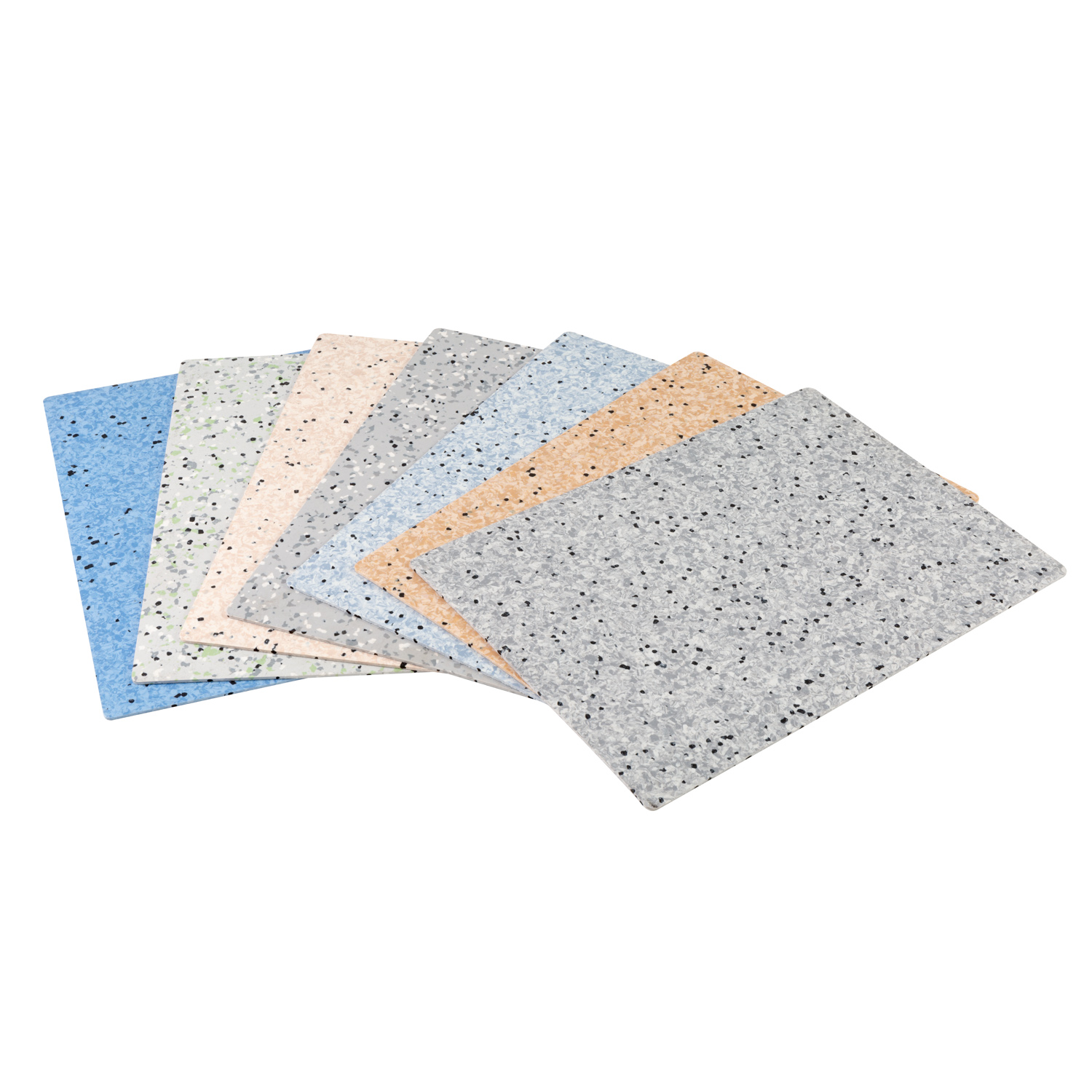
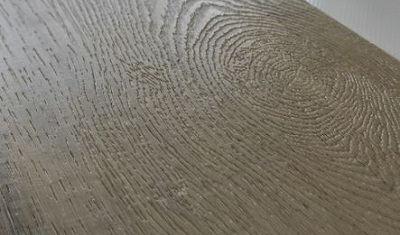
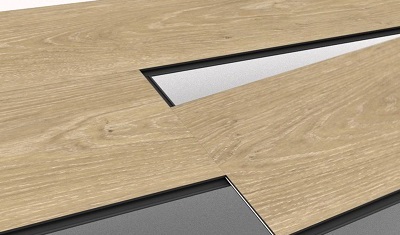
All eight images below are hosted on www.3c-floor.com and relate to SPC products, design options or production. They are visual references, not a representation that every pictured design is currently in stock or that every photographed plank belongs to the same orderable SKU. Confirm the selected physical sample before making brand claims.


A low factory price does not tell a new brand whether an SKU is economical to launch. Compare landed cost and inventory exposure by item, including the product construction, artwork, sampling and future reorder requirements. Ask for an itemized quote rather than an unsupported universal price.
For mixed-color wholesale orders and replenishment mechanics, use the wholesale SPC collection planning guide. For a broader category overview, visit the SPC flooring range, and for finish differentiation see embossed SPC flooring surfaces.
A clear brand-launch inquiry lets 3C-Floor identify feasible décors, technical options, sample needs and commercial constraints without guessing about your business. You do not need to know every specification in advance; identify uncertain fields and ask for recommendations rather than inventing values.
Useful first email subject: “New ODM SPC Flooring Brand — Collection Brief, Samples & Private Label Quote”. Include target market, proposed décor families and any non-negotiable specification; request confirmed MOQ, sampling availability, carton requirements and a separate price per SKU.
Questions to settle before reserving brand names, ordering samples or presenting finished product claims.
An ODM SPC flooring collection is a coordinated selection of factory-developed rigid-core vinyl products that a new flooring company can review, approve and sell under its own brand. The buyer defines market position, selected décors, specification, product names and packaging; availability and terms must be confirmed per SKU.
Yes. A new brand can discuss existing manufacturer décor and structure options before investing in exclusive films or tooling. Private-label rights, permissible artwork, any exclusivity and product availability must be agreed in writing.
There is no universal ideal number. Start with enough visually distinct, saleable options for the intended channel, then check sample costs, minimums, forecast quantity and replenishment needs before adding more SKUs.
Only when they serve genuinely different use cases. A wear layer, total thickness, backing or locking-profile change creates a distinct technical SKU and should be sampled, documented and priced separately. Product suitability must be supported by model-specific evidence.
3C-Floor discusses private-label cartons, color naming, labels and sample-support requirements. Final artwork, barcode ownership, localized instructions, printing minimums and sample-board availability must be confirmed for the proposed program.
There is no universal MOQ for every décor and construction. Request written confirmation of quantity requirements per SKU, packaging option and shipment arrangement; a mixed-color container does not automatically remove individual production minimums.
Request the exact approved construction and relevant, current model-specific test evidence for the destination market. Verify installation restrictions and subfloor moisture requirements. A waterproof SPC plank does not make the complete floor assembly waterproof.
Consider OEM when customer demand supports a genuinely distinctive décor, format or technical construction and the business can manage development, qualification, intellectual property and minimum-order terms. ODM remains useful for quickly replenished core products.
Tell 3C-Floor where the collection will sell, what décor direction you prefer, which specifications matter and how many square metres you intend to explore per SKU. We can discuss feasible ODM SPC options, sampling, private-label details and an itemized supply quotation. Product combinations, tests, order minimums and delivery remain subject to written confirmation.