Welcome to 3C-Floor — Your Trusted Manufacturer of SPC Flooring, WPC Vinyl Flooring, LVT Flooring & PVC Flooring Rolls.
  • 0086 13321818576 (Steven Lee)
News
Current Location:Home > News

OEM SPC Flooring Specifications & Custom Manufacturing | 3C-Floor

Update:2026/11/8 21:29:55 Views:0
Home/SPC Flooring/OEM Specifications
Rigid Core Vinyl · Custom Manufacturing · Order Engineering

OEM SPC Flooring Specifications & Custom Manufacturing

OEM SPC flooring is stone plastic composite rigid-core vinyl flooring manufactured to an agreed buyer specification, rather than selected by thickness or décor alone. For importers, distributors, private-label brands and project procurement teams, 3C-Floor can discuss custom plank formats, wear layers, wood or stone designs, surface textures, click-lock profiles, optional backing and branded cartons. A manufacturing-ready specification connects every choice to an approved sample, test requirements, packing record and future reorder revision.

Use this page to convert a product idea into a clear factory brief. Configuration ranges are planning references; actual combinations, performance, prices, minimum quantities and production schedules require written confirmation.

Thickness & wear layerDécor & EIRClick profile & backingPrivate-label packing
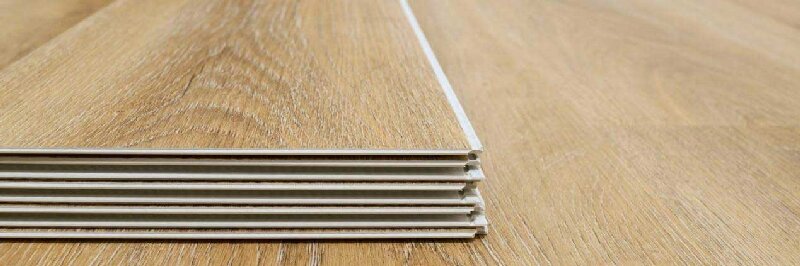
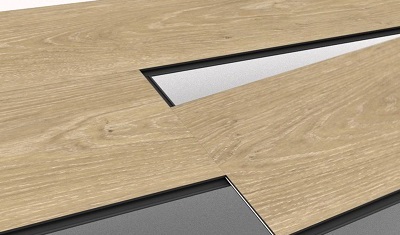
Real 3C-Floor product imageClose-up of several stacked light oak-look SPC rigid core vinyl planks with visible locking-edge profiles
SPC plank face and edge: both must match the approved product-code specification, not simply the marketing name.
3.2–7 mmPublished OEM thickness directions; not one combined SKU
0.2–0.7 mmPublished transparent wear-layer options
IXPE / EVA / corkBacking options discussed in 3C-Floor's OEM range
1 approved SKULink sample, technical sheet, artwork and reorder revision
01 / The purchasing answer

What makes an SPC product manufacturing-ready?

An OEM order becomes manufacturable when the buyer and supplier agree on the exact construction, appearance, acceptance requirements and packaging—and identify the version that controls production. A décor selection or generic catalog specification is not enough.

For a broad program introduction, see 3C-Floor's OEM SPC flooring manufacturer and customization overview. This page goes further into specification decisions, factory release gates and what changes must trigger new approval.

Short answer: what is an OEM SPC flooring specification?

An OEM SPC flooring specification is the controlled product definition used to manufacture, inspect and replenish a buyer-designed rigid-core vinyl plank or tile. It states the finished thickness, core and backing basis, wear layer, dimensions, click profile, décor and finish, applicable performance evidence, packing details, tolerances and approved sample reference. Each product-code revision should describe one agreed construction.

✓One product code and dated revision
✓One physical full-plank approval sample
✓Measurable specifications and agreed limits
✓Matching cartons, labels and batch records
02 / Define before quoting

OEM SPC Flooring Specification Matrix

The figures below are published 3C-Floor selection directions, not a universal stock specification. Use them to discuss feasibility with the factory; the final datasheet, inspection plan and commercial quotation must refer to the selected SKU.

Specification field3C-Floor option or specification directionWhat the buyer must approve before manufacturing
Product / constructionSPC (stone plastic composite) rigid-core vinyl plank or tile, generally mineral-filled PVC core with décor and protective wear surface.Exact construction stack, product code, project application and written revision.
Overall thickness3.2 / 4 / 4.5 / 5 / 6 / 7 mm are published OEM options; other constructions by feasibility review.Finished thickness including or excluding attached pad; body and core dimensions; manufacturing tolerance.
Transparent wear layer0.2 / 0.3 / 0.5 / 0.7 mm published options. Do not treat it as the same as total plank thickness.Selected value and unit, measurement method, tolerance, coating and actual performance evidence.
Plank or tile formatPublished examples: 1210 × 178 mm, 1520 × 230 mm, 610 × 305 mm. Custom sizes may be discussed.Finished length × width, working dimensions, edge profile, dimensional tolerances, layout and tooling feasibility.
Décor / color filmOak, walnut, neutral wood, stone and contemporary commercial directions; existing or developed décor by agreement.Décor code, repeat, light-source review, color range, approved plank sample and replacement matching approach.
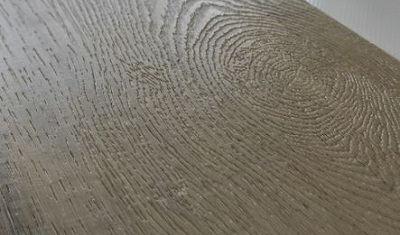
Embossing / finishWood-grain emboss, EIR, matte, deep emboss, hand-scraped and stone-look directions.Texture registration, gloss, surface coating, bevel style, appearance after joining boards.
Click-lock profileFactory-listed Unilin / Välinge directions, subject to model and license/availability confirmation.Exact profile and joint drawing, installation method, licensing scope where relevant, joined-plank assembly.
Attached backingIXPE, EVA and cork options; unbacked constructions can be discussed.Pad material, thickness, density, adhesion, overall-thickness calculation, compatibility and acoustic test scope.
Edge / bevelSquare or bevel treatment depending on the product family.Bevel geometry, paint/color reference, chip tolerance and visible line after joining.
Installation / useSelected SPC click-lock construction normally installed as a floating indoor floor.Subfloor flatness/moisture, expansion and transition details, heating limits, maximum run and installation instructions.
Quality evidenceTesting requirements chosen by destination market and actual use; no universal pass value claimed here.Product-matched reports, standard edition, method, result, units, criterion, issue date and specimen identification.
Carton & palletNeutral / branded carton, barcode, SKU label, instructions, pallet protection and export marks.Exact pieces/carton, saleable m², packed weight, artwork version, pallet layout and shipment identifiers.
Order parametersWholesale or project quantities, sample approval, production and shipment plan by quotation.Quantity per color, acceptable mix, Incoterm, destination port, MOQ, lead time and commercial terms in writing.

Selection values are based on public 3C-Floor OEM/SPC pages reviewed in November 2026; they are not evidence that every feature can be combined. For fields required on a formal datasheet, consult the SPC flooring specification-sheet reference.

03 / Engineer the complete plank

Three choices that change the finished product

Buyers frequently compare two quotes labeled “5 mm SPC” and assume they describe equivalent goods. They may not. The wear layer, rigid body, optional pad and click tooling have distinct roles and can alter the product's total build, landed weight, compatibility and approval evidence.

1. Finished thickness ≠ wear-layer thicknessA thicker plank can change click-joint geometry and floor height but does not automatically improve surface-wear performance. State the nominal wear layer separately. The thickness and wear-layer selection guide explains this distinction.
2. A backing option changes the assemblyIXPE or EVA should not be described only as “quiet.” Identify pad material, density, thickness and whether it is counted in the declared total. Any acoustic claim must match the tested flooring assembly.
3. A new click profile changes more than the carton nameJoint shape influences mating, tolerances, installation directions and tooling compatibility. Require assembled full planks and confirm the locking profile identified in the OEM order.
04 / Choose a build for its actual use

Which OEM SPC configuration should you request?

These are starting directions for buyer discussions, not automatic performance grades. Heavy commercial claims, indoor air requirements and project classifications need matched product-specific evidence.

Value residential

Price-sensitive retail & renovation

Start by comparing a published lower-thickness construction with a 0.2–0.3 mm wear-layer direction. Prioritize click fit, known subfloor conditions and easy-to-replenish core colors.

Buyer priority: reliable joining, cost structure, straightforward packing.
Distributor core range

Family homes, rentals & dealer shelves

Evaluate 0.3–0.5 mm wear-layer directions with a coherent assortment of décor, matching stair/transition details and optional backing where approved.

Buyer priority: consistent SKU hierarchy, batch color, carton coverage.
Project-led commercial

Offices, hospitality & busier interiors

Discuss 0.5–0.7 mm wear-layer options where traffic justifies them; separately check indentation, rolling loads, fire/slip rules, cleaning and acoustic criteria.

Buyer priority: tests and installation suitability for the selected model.

A chosen wear layer is not a warranty or a certified use class. Select against traffic and required reports, not thickness alone. For click profiles, see the 3C-Floor click-lock SPC range.

05 / Real product and production references

Approve what the customer sees and what the factory makes

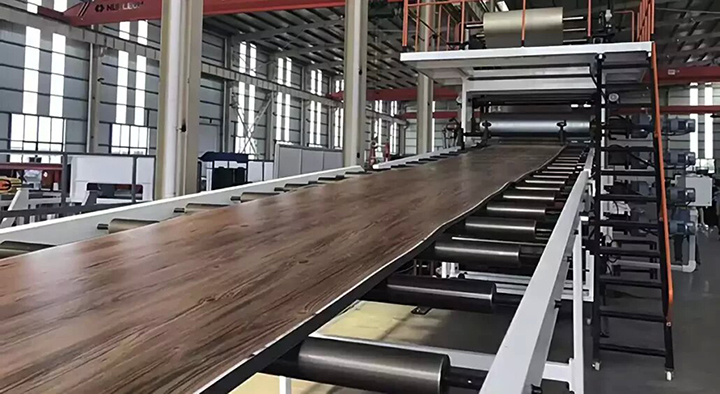
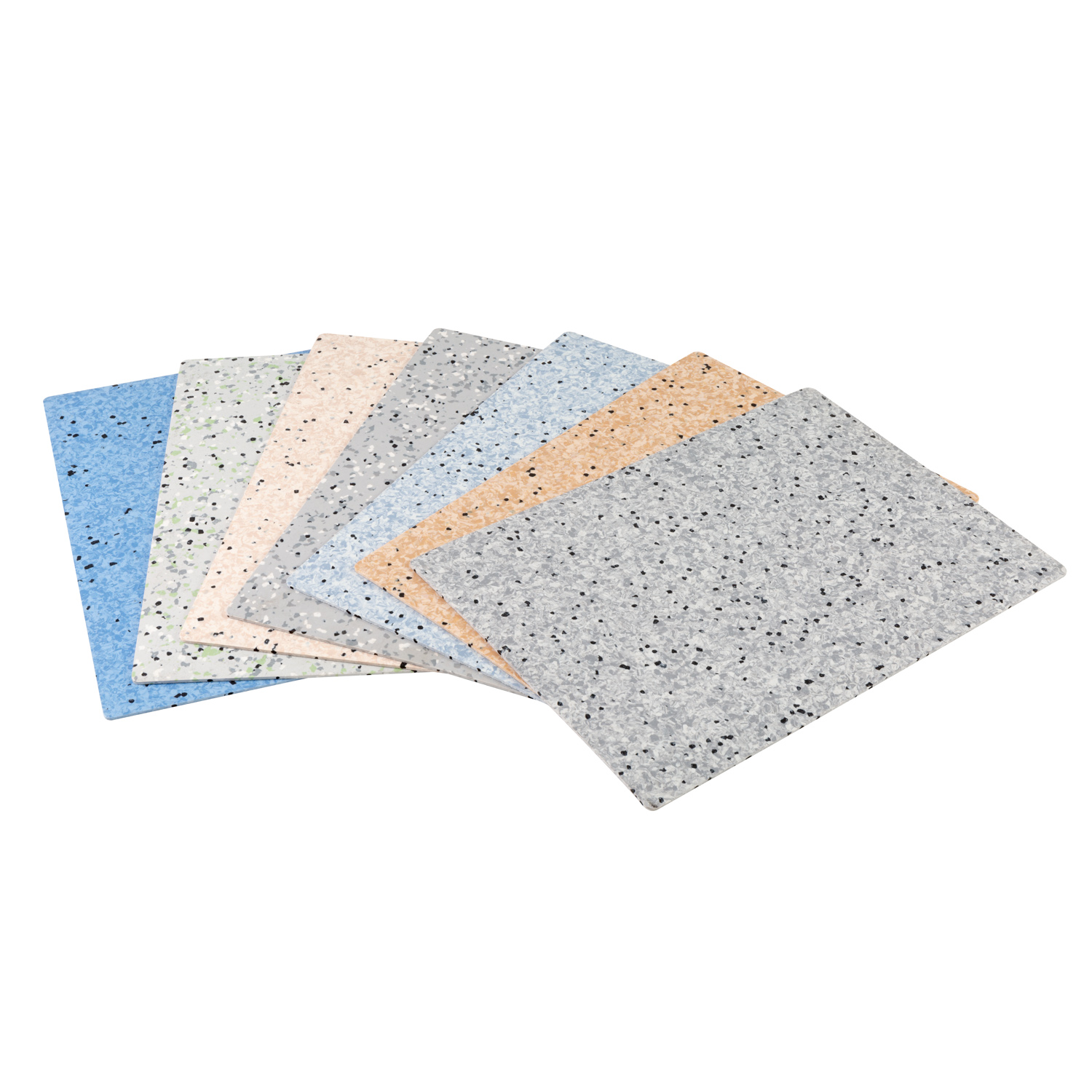
Images help buyers explain décor, edge details and production scope, but do not replace a physical sample or a model-specific test report. The three references below are from the 3C-Floor website.

06 / What can the OEM factory customize?

Custom manufacturing beyond the logo

The most useful OEM choices connect market differentiation with repeatable factory controls. Choose a limited set of meaningful variables before requesting samples. Changes that require fresh tooling, raw materials or tests may affect feasibility and quotation.

CUSTOM / 01

Décor and collection design

Wood and stone visuals, color direction, film selection and décor repeat. Ask whether the artwork is an existing option or a development requiring new approval.

CUSTOM / 02

Surface identity

Matte, embossed or EIR finish, tactile feel, gloss, bevel treatment and edge color. EIR alignment must be checked against the actual décor film.

CUSTOM / 03

Technical stack

Finished thickness, wear-layer choice, body structure, optional backing and joint profile. The configuration must be physically feasible as one SKU.

CUSTOM / 04

Format & install system

Plank width, length, tile format, click system and sample assembly. Require precise finished dimensions and compatible installation instructions.

CUSTOM / 05

Private-label experience

Branded cartons, SKU/barcode labels, color naming, instructions, sample boards and retailer-facing product master data.

CUSTOM / 06

Export & replenishment

Carton m², mixed-color loading discussions, pallets, shipment marks and repeat-order reference control. Confirm shipping terms with the quotation.

For brand architecture, approvals and reorders, see the separate private-label SPC sample-to-reorder program. It complements this manufacturing-specification page rather than replacing it.

07 / Manufacturer–buyer release gates

From buyer RFQ to approved bulk manufacturing

A practical factory workflow has defined release points. The steps below are a recommended OEM approval framework for procurement conversations—not a claim that every project uses an identical number of production days or machines.

01

Define the brief

Confirm target market, use, quantity per décor, finish, thickness basis, pad, testing needs and packaging channel.

Output: buyer RFQ + proposed SKU list

02

Validate the build

Review feasibility of layer stack, film, backing, dimensions, click tooling and applicable test/document scope.

Output: draft manufacturing specification

03

Approve samples

Inspect full planks for color, surface, joining, profile, finish, backing and agreed measurements.

Output: retained coded master sample

04

Freeze and release

Sign off SKU revision, acceptance limits, packaging artwork and any required product evidence before bulk release.

Output: approved build + release record

05

Inspect and replenish

Compare lot results, cartons and pallet marks with approval records. Review any proposed change before the next order.

Output: batch traceability + change log

Where factory purchasing mistakes begin

Do not approve a photograph in place of a physical plank; do not treat “6 mm” as a complete construction; do not use a test report for a different pad or wear layer; and do not change a film, click tool or carton label without updating the relevant SKU approval records. For another document-led explanation, review the SPC product data sheet.

08 / The overlooked OEM risk

What changes require a new approval?

Many buyer-supplier disputes arise not from the original quotation but from an unreviewed substitution on a later container. A controlled change log should say what is changing, why, who approves it and which tests or documents must be revisited.

New décor film or EIR tooling

Review: color, repeat, emboss alignment, gloss, seam appearance and signed master sample. The same commercial color name is not a substitute for an identical film reference.

New wear layer or surface treatment

Review: exact layer thickness, surface texture, appearance, declared durability and applicability of previously supplied reports.

New backing or pad density

Review: total-thickness basis, pad adhesion, installation restrictions, flooring assembly and any acoustic documentation.

New click machining or dimensions

Review: long/short joint compatibility, assembled-plank test, effective coverage, tooling rights and installer instructions.

New carton or SKU label

Review: sales description, m²/carton, barcode, market language, product identification and print-proof revision.

New core formulation or process input

Review: specimen representativeness, dimensional behavior, declared product performance and retest requirements if applicable.

09 / Inspection and evidence

What should quality control verify for custom SPC flooring?

A useful OEM inspection plan is traceable to the signed purchase specification. 3C-Floor's published materials describe dimensional, surface, joint and other QC checks; the exact sampling plan, limits and report package should be set for the order.

Production / QC stageSample or inspection focusBuyer-facing record
Incoming materials & buildAgreed raw material identity and layer stack; décor and backing code; approved formulation-related requirements.Lot identification, supplier/material confirmation as applicable.
Surface & visual outputWear layer, coating, gloss, embossing, décor shade, defects and allowable visual variation.Approved reference plank and inspection record.
Dimensions & click fitThickness basis, length/width, edge integrity, straightness, squareness and joined-plank behavior.Measurement record and agreed tolerances; assembly sample.
Performance evidenceMethods may include ASTM F3261 (where applicable), ISO 24340 layer thickness, ISO 23999 dimensional stability/curl and use-specific tests.Model-matched report with method/edition, specimen, result, unit and criterion.
Finished packing & shipmentDecor/SKU labels, quantity, coverage, carton artwork, pallet marks, shipping protection and destination documentation.Approved print proof, packing list, batch and shipment reference.

Standards listed above are reference methods or specifications, not claims of 3C-Floor certification or any model's test result. Confirm the scope, edition and validity. Read the SPC technical-data and test-evidence guide for a fuller verification checklist.

10 / Order design by buyer role

Make the specification useful after the factory quote

A strong custom manufacturing record must work for purchasing, sales, installers and the warehouse. The same physical flooring may need different supporting documents depending on the destination channel.

Importer & flooring distributorPrioritize SKU consistency, carton coverage, barcode/label integrity, container mix, repeat color matching and spare material.
Private-label retail brandPrioritize décor identity, tangible samples, good/better/best construction tiers, packaging files and customer-facing installation instructions.
Architect, contractor & project buyerPrioritize exact use, subfloor limits, cleaning regime, load exposure, fire/slip and acoustic requirements with matching test documentation.
Residential interior with pale wood-look SPC plank flooring across an open living space
Design reference. Installed appearance must be evaluated along with the approved construction and installation conditions.
11 / Turn research into a factory inquiry

Build your OEM SPC RFQ brief

Comparably priced quotes require comparably defined products. Record these fields before requesting an ex-factory or export supply proposal. The form creates a draft locally in your browser; it does not submit your information to a server.

Product: type, sample ID, construction, wear layer, thickness/pad basis, click profile.

Appearance: décor code, finish, embossing, edge and approved reference.

Supply: quantity per color, cartons, brand files, destination market and port.

Evidence: project testing, installation limits, acceptance tolerances, inspection documents.

For a broader selection across installation styles and flooring categories, browse the 3C-Floor SPC product range. For formal OEM pricing, the Request A Quote page is the official inquiry channel.

OEM specification brief

Open Quote Form ↗

12 / Buyer questions

OEM SPC Flooring: Frequently Asked Questions

Direct answers to the specification, customization and manufacturing questions asked by flooring importers, brands and project teams.

What specifications do I need for OEM SPC flooring?

Define the exact product code, total and body thickness, transparent wear layer, plank dimensions, décor, finish, click profile, optional backing, installation conditions, packing, and product-specific testing requirements. Link these fields to the approved sample and document revision.

Can SPC flooring thickness and wear layer be customized separately?

They are separate design decisions. 3C-Floor lists multiple OEM thickness and wear-layer directions, but the available combination and whether attached backing is included must be confirmed for the final product.

Which SPC wear layer should distributors choose?

Use traffic and required performance evidence rather than thickness alone. The published OEM range includes 0.2, 0.3, 0.5 and 0.7 mm options. Commercial suitability requires evaluating the complete construction and the applicable project documentation.

Can OEM SPC flooring use IXPE, EVA or cork backing?

3C-Floor publicly discusses IXPE, EVA and cork options. Confirm the selected material, pad thickness, density, bond, total-thickness basis and product-specific installation or acoustic evidence before approval.

Can I request a custom SPC plank size or locking system?

Custom formats and click-system options can be discussed. Tooling, profile compatibility, locking rights, testing and production feasibility must be verified before any new combination is accepted.

How do I prevent color and profile differences on repeat OEM orders?

Keep a retained approved full-plank sample and a controlled SKU revision. Record décor code, finish, emboss alignment, bevel, click tooling, backing and acceptable visual variation. Review changes before a replenishment purchase order.

Does waterproof SPC flooring make the entire installation waterproof?

No. A water-resistant SPC plank does not waterproof joints, the subfloor or the entire room. Follow the selected model's substrate moisture, expansion and installation instructions.

What should I send for a custom SPC flooring manufacturing quote?

Send target market, application, thickness including backing basis, wear layer, size, décor and finish, click system, backing, quantity per color, packaging artwork, required test documents and destination port. Ask for a coded sample and final specification sheet.

From concept to a controlled SKU

Get your custom SPC flooring specification reviewed.

Send a product brief with thickness, wear layer, target format, finish, pad, quantity, branding, destination market and test requirements. 3C-Floor can discuss feasible construction choices, sampling and quotation terms for your OEM program.

Source scope: Product options and image filenames were checked against 3C-Floor's public SPC, OEM and technical-reference pages in November 2026. Final requirements, manufacturing feasibility, testing, warranties, quantities, MOQ, lead time and pricing are subject to the model-specific quotation and written approval. No universal test result or certification is represented.

3C-Floor · SPC / WPC / LVT / PVC flooring · OEM & export supply
Website: www.3c-floor.com · Email: info@3c-floor.com

Back to top ↑
Landlord hotline:
+86-021-54361792
Email:
info@3c-floor.com