SPC Rigid Core
Dimensionally stable click flooring for retail renovation, apartments, hospitality, offices and commercial interiors. Configure the rigid core, wear layer, surface, bevel, click profile and optional underlayment.
Explore SPC flooring


Factory-led product development for global buyers
Develop SPC, LVT, WPC, loose lay and PVC roll flooring around your market—not around a generic catalog. 3C-Floor helps brands, distributors, importers and project buyers translate product positioning into a controlled specification, approved sample, branded package and repeatable supply program.
Direct answer for sourcing teams
An OEM vinyl flooring manufacturer produces flooring to a buyer-defined commercial brief. That brief connects the product structure, performance level, visual direction, installation method, brand packaging and reorder plan.
The strongest OEM relationships do not begin with “send your lowest price.” They begin with a target customer, intended application, sales channel and expected price position. A retail brand may need a simple three-tier collection with strong carton communication. A project contractor may care more about glue-down stability, wear layer selection and replacement planning. An importer may need dependable container loading, multilingual labels and consistent product codes across repeat orders.
3C-Floor organizes these decisions before mass production so that the finished flooring is easier to sell, specify, install and reorder.
Product platforms
A broad OEM program should not force one construction into every use case. 3C-Floor can help buyers coordinate rigid click products, flexible glue-down options, comfort-focused planks and large-area roll flooring under one brand strategy.
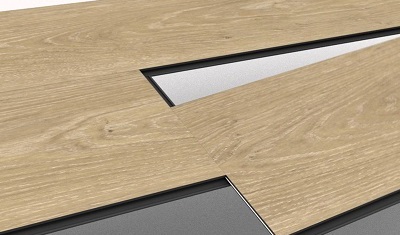
Dimensionally stable click flooring for retail renovation, apartments, hospitality, offices and commercial interiors. Configure the rigid core, wear layer, surface, bevel, click profile and optional underlayment.
Explore SPC flooringFlexible vinyl plank and tile programs with click, dry back and glue-down choices. Useful when a collection needs broad wood, stone and commercial visual development at several price levels.
Explore LVT flooringComfort-oriented waterproof flooring with a thicker, quieter feel underfoot. Suitable for residential and hospitality collections where acoustic comfort supports the selling proposition.
Explore WPC flooringRoll flooring for large-area coverage in education, healthcare, retail, sports, offices and managed interiors. Discuss thickness, wear layer, foam backing, surface design and welding coordination.
Explore PVC flooring rollsPurpose-built patterns for branded interiors, gyms, kindergartens, retail displays and themed commercial spaces. Artwork direction, repeat scale and installation layout can be evaluated before sampling.
Explore custom vinyl flooringA practical format for spaces where fast replacement, reduced downtime and easier access beneath the floor matter. Coordinate backing grip, plank or tile size and traffic expectations.
Explore loose lay flooring


Customization that supports sales
Customization is most valuable when every option has a commercial reason. A darker bevel can sharpen plank definition. A stronger wear layer can support a commercial claim. A multilingual carton can reduce distributor handling. The aim is not maximum complexity; it is a coherent product that fits the market.
| OEM Element | Typical Options | Commercial Decision |
|---|---|---|
| Product construction | SPC click, click LVT, dry back LVT, glue-down plank, loose lay, WPC, heterogeneous or homogeneous roll | Choose according to installation channel, traffic, subfloor and target price. |
| Total thickness | LVT commonly 2.0–5.0 mm; WPC commonly 4.0–8.0 mm; SPC and roll structures configured by program | Balance handling, stability, comfort, freight and market positioning. |
| Wear layer | Common vinyl options from 0.2 mm to 0.7 mm, subject to construction and order | Match residential, multifamily, retail or heavier commercial traffic. |
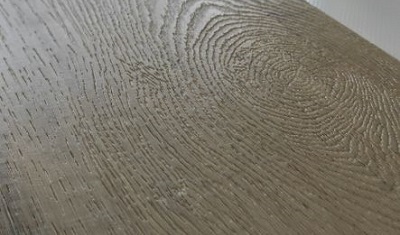
| Surface | Matte, wood grain, embossed, EIR direction, stone texture, anti-slip texture, selected gloss levels | Coordinate visual realism, cleaning expectations and channel presentation. |
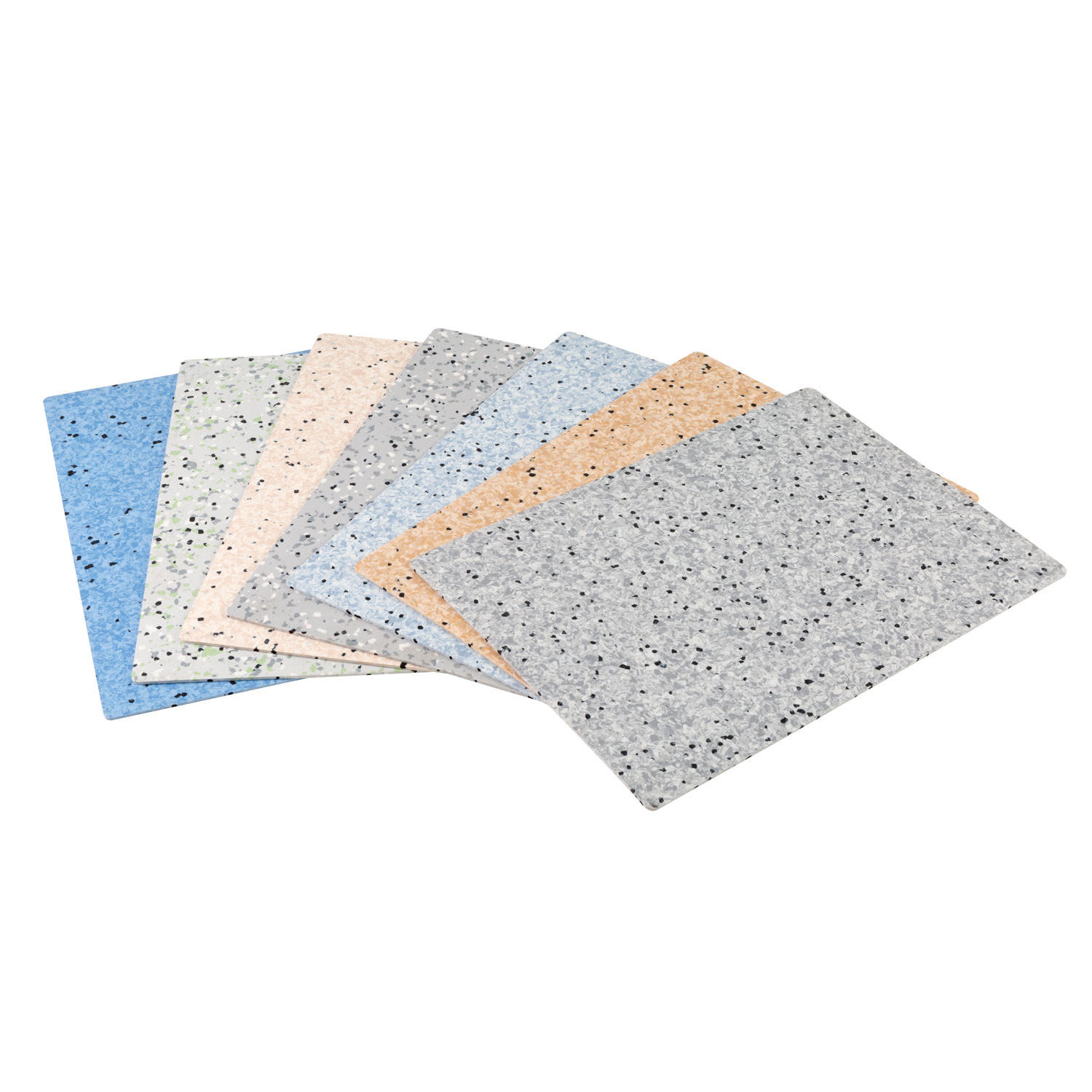
| Décor | Oak, walnut, contemporary wood, marble, concrete, terrazzo, solid color and custom graphic directions | Create a focused collection instead of an unfocused catalog assortment. |
| Format | Plank, square tile, rectangular tile, roll width and custom formats where technically feasible | Consider room scale, carton weight, display sample and installer familiarity. |
| Installation | Click lock, glue down, dry back, loose lay and welded roll installation | Align with labor cost, replacement needs, project schedule and subfloor condition. |
| Backing | Standard backing, foam structures, attached acoustic layers or grip backing depending on category | Use backing to support comfort, sound or installation—not as an isolated marketing claim. |
| Brand packaging | Private label cartons, product codes, barcode labels, multilingual text, pallet marks and sample boards | Make receiving, warehousing, dealer presentation and reordering easier. |
OEM workflow
A clear workflow reduces quotation revisions, sample confusion and late packaging changes. Each stage should end with a decision that the buyer and factory can reference later.
Define the country, customer, channel, application, target price and competitor position.
Select construction, thickness, wear layer, format, installation method and backing.
Build a coordinated décor family with color, texture, bevel and gloss references.
Confirm available structures, quantity, décor allocation, packaging scope and timing.
Review appearance, dimensions, surface, locking or installation behavior and backing.
Lock carton artwork, labels, barcodes, product codes, pallet marks and document wording.
Use approved references for in-process checks, final inspection and packing verification.
Coordinate loading details, shipping documents and the records needed for future orders.


Collection planning
The goal is not to launch every available décor. The goal is to launch a range that dealers, installers and end users can understand.
For a new private label program, a practical starting structure may include a proven opening-price option, a core bestseller tier and a differentiated premium tier. The tiers can share a visual language while changing thickness, wear layer, surface realism, backing or installation convenience.
Who we manufacture for
Different buyers measure success differently. A distributor needs a reorderable core line. A retail brand needs shelf clarity and packaging. A contractor needs installation reliability. A developer needs cost control across many rooms.
Private label collections, product naming, carton design, sample presentation and tiered assortment planning.
Container programs, product coding, repeat-order communication and category expansion across SPC, LVT, WPC and rolls.
Consumer-friendly specifications, compact collections, barcode control and packaging that explains the product quickly.
Application-matched structure, installation planning, traffic requirements, color coordination and phased supply discussion.
Quality and reorder control
OEM quality is not only a final inspection activity. It begins when the buyer defines what must remain consistent, what tolerance is acceptable and which approved sample or file controls each production detail.
Confirm the specified construction, backing, core or base material and the agreed component combination.
Check total thickness, wear layer, plank or tile dimensions and the agreed tolerance approach.
Compare décor tone, texture, gloss, embossing direction and bevel appearance with the approved sample.
Review click profile, edge condition, backing grip or glue-down format according to the selected system.
Verify product code, quantity, size, barcode, language, artwork version and pallet identification.
Coordinate packing quantity, pallet or loose loading plan, shipping marks and export document details.
| Before Sample Approval | Before Mass Production | Before Shipment |
|---|---|---|
| Application, channel, product type, thickness, wear layer, size, surface, décor and installation method | Approved physical sample, specification record, artwork version, product code, barcode and packing instruction | Final quantity, visual check, dimensional check, label check, carton condition, loading plan and shipping documents |
Procurement guidance
Do not compare only the quoted price per square meter. Compare how clearly each factory turns your brief into a documented and repeatable product.
Can the manufacturer explain why one construction suits your channel better than another, or does it simply quote the product you name?
Are structure, color, texture, backing, packaging and product codes approved in a way that can guide mass production?
Can the supplier coordinate décor, format, surface, wear layer and packaging without creating unnecessary complexity?
Does the team ask for the missing details that affect use, price, quantity, timing and shipping before confirming the order?
Are approved samples, artwork files, product codes and packaging instructions organized for the next production run?
Can one partner support SPC, LVT, WPC, loose lay and roll flooring as your assortment expands?
Frequently asked questions
These answers are designed to help procurement teams prepare a clearer inquiry. Final specifications, quantities, testing requests and production timing should be confirmed for the selected product.
An OEM program can cover flooring construction, total thickness, wear layer, plank or tile size, décor, embossing, gloss level, click system, backing, carton artwork, labels, barcodes, pallet marks and sample presentation. Feasibility depends on product type, quantity and market requirements.
SPC is often selected for rigid click collections, LVT for flexible design and multiple installation methods, WPC for added comfort, loose lay for quick replacement, and PVC rolls for large-area coverage. The best choice depends on the sales channel, target price and end-use environment.
Custom color direction, wood and stone visual families, embossing and surface finish can be discussed for qualified OEM projects. Buyers should provide target-market references, preferred tones and an expected order plan so technical and commercial feasibility can be evaluated.
A practical approval process confirms the product structure, dimensions, wear layer, color, texture, gloss, locking or installation method, packaging artwork, labels and pallet marks. The approved specification and physical sample then become the production reference.
Provide the product type, total thickness, wear layer, size, surface finish, installation method, backing, décor direction, packaging requirements, quantity, destination and any testing or documentation needs. A complete brief reduces quotation revisions.
Repeat-order control begins with clear sample approval, product coding, specification records, packaging files and production checkpoints. Buyers should also confirm acceptable color range, reorder quantity and shipment schedule for each program.
Share the flooring type, application, thickness, wear layer, décor direction, installation system, private label requirements, quantity and destination. 3C-Floor will use those details to prepare a clearer product and quotation discussion.