↗
Design flexibility
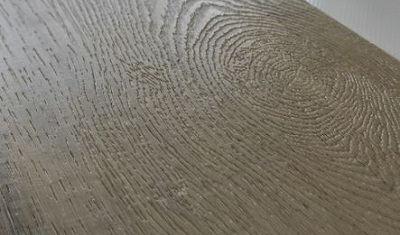
Oak, walnut, neutral greys and stone effects for distinct home décor markets. Approve full-size samples.



Residential LVT flooring is multilayer luxury vinyl tile or plank designed for everyday home interiors, from bedrooms and living rooms to kitchens and rental apartments. 3C-Floor works with importers, distributors, private-label brands and housing project buyers on LVT collections with wood- and stone-look surfaces, different installation systems and project-specific specifications. Compare glue-down, click and loose-lay designs; choose wear layer, thickness, finish and backing for the room before requesting samples or bulk pricing.

Residential luxury vinyl tile is a resilient, layered floor covering that combines a printed décor with a transparent wear surface and vinyl body. Planks recreate timber; tiles can reproduce stone, ceramic and concrete. The right format depends on installation, traffic, household habits and substrate preparation—not the visual alone.
Short answer: For a family-home LVT range, begin with the room, decide the installation system, then match the wear layer and surface to traffic. Specify the subfloor and packaging before finalizing price.
For a wider comparison across rigid-core products, vinyl rolls and LVT, see the 3C-Floor residential vinyl flooring overview.
Oak, walnut, neutral greys and stone effects for distinct home décor markets. Approve full-size samples.
Resilient vinyl surfaces can be easy to maintain. Cleaning suitability depends on the chosen finish.
Choose by grit, rolling loads, moisture exposure, sunlight and the substrate beneath the floor.
Lock the décor code, wear layer, embossing, carton artwork and approved reference sample.
LVT can work across the home, but each room creates a different purchase specification. Use these starting points to plan product tiers, not as universal performance approvals.
Prioritize a comfortable walking feel, gentle matte wood visuals and appropriate cleanability. Low-profile dry back may help in renovation projects.
Check abrasion protection, furniture feet, pet activity and transitions between spaces. A visual sample should be reviewed under actual daylight.
Evaluate spills, tracked grit, cleaning frequency, surface grip and perimeter detailing. A moisture-resistant tile does not seal a wet subfloor.
Busy circulation paths need a wear layer suited to repeated walking. Stairs need separate approved nosings, adhesion and edge detailing.
Confirm noise requirements using the full tested building assembly. Choose products with workable access, floor-height and maintenance plans.
Consider repair strategy, color continuity, speed of installation and total cost including subfloor work—not material price per square metre alone.
*Stairs and special locations require product-specific installation approval. Bathrooms, laundry rooms and below-grade rooms also require a moisture and system review.
For residential LVT, adhesive, joints and subfloor conditions often decide long-term results. The term “LVT” alone does not tell you how a product must be installed.
Thin, flexible tile or plank bonded to a prepared substrate. Useful for planned renovations and larger repeat-unit installations.
Interlocking planks installed as an approved floating floor. A practical route for selected homeowner or retail renovation programs.
Not every click product has the same core construction.
Specialist vinyl with a designed backing for an approved loose-lay method; some rooms still require tackifier or perimeter restraint.
Do not equate “loose lay” with installation without any preparation.
Selection rule: glued systems need compatible adhesive and sound subfloors; floating systems need expansion and locking compliance; loose-lay systems need restraint designed for the exact installation. Request the matching technical instructions with every quotation.
Different LVT families have different published specifications. This table distinguishes 3C-Floor product-page references from customizable options, rather than pretending that any thickness and wear layer can be combined.
| Parameter | Published / available direction | Buyer confirmation |
|---|---|---|
| Dry-back LVT thickness | 2.0 / 3.0 mm published examples | Confirm exact SKU, floor buildup and adhesive system. |
| Click LVT thickness | 3.5–7.5 mm published category range | Verify exact construction, core and pad inclusion. |
| Loose-lay LVT thickness | 2.0 / 3.0 mm published examples | Verify the backing, installation method and restraint. |
| Wear layer | Dry-back / loose-lay catalogue examples: 0.2 mm; click LVT range: 0.3–0.7 mm. Other OEM options on request. | Get SKU-specific confirmation; never assume all combinations exist. |
| Format examples | 152 × 914 mm plank and 600 × 600 mm tile in published dry-back / loose-lay examples | Confirm chosen décor, edge, pack coverage and tolerances. |
| Surface / visual | Wood-look, stone-look, matte and embossed design directions | Approve print, gloss, embossing and current sample. |
| Backing / underlay | Varies by dry back, click and loose lay format | Do not add an unapproved foam pad beneath dry-back LVT. |
| Packaging / branding | OEM cartons, labels and collection planning subject to confirmation | Agree cartons, SKU code, barcode, pallet plan and artwork. |
| Tests / compliance | Product- and market-specific documentation on request | Ask for evidence applying to the exact quoted construction. |
Reference: the current 3C-Floor LVT product family page. Values are product-family references, not stock promises, performance warranties or confirmed availability for every variant.
Wear layer is not total thickness. A mil equals 0.001 inch, or 0.0254 mm. Surface finish, grit, chair castors, furniture loads and care procedures matter as well as wear-layer thickness.
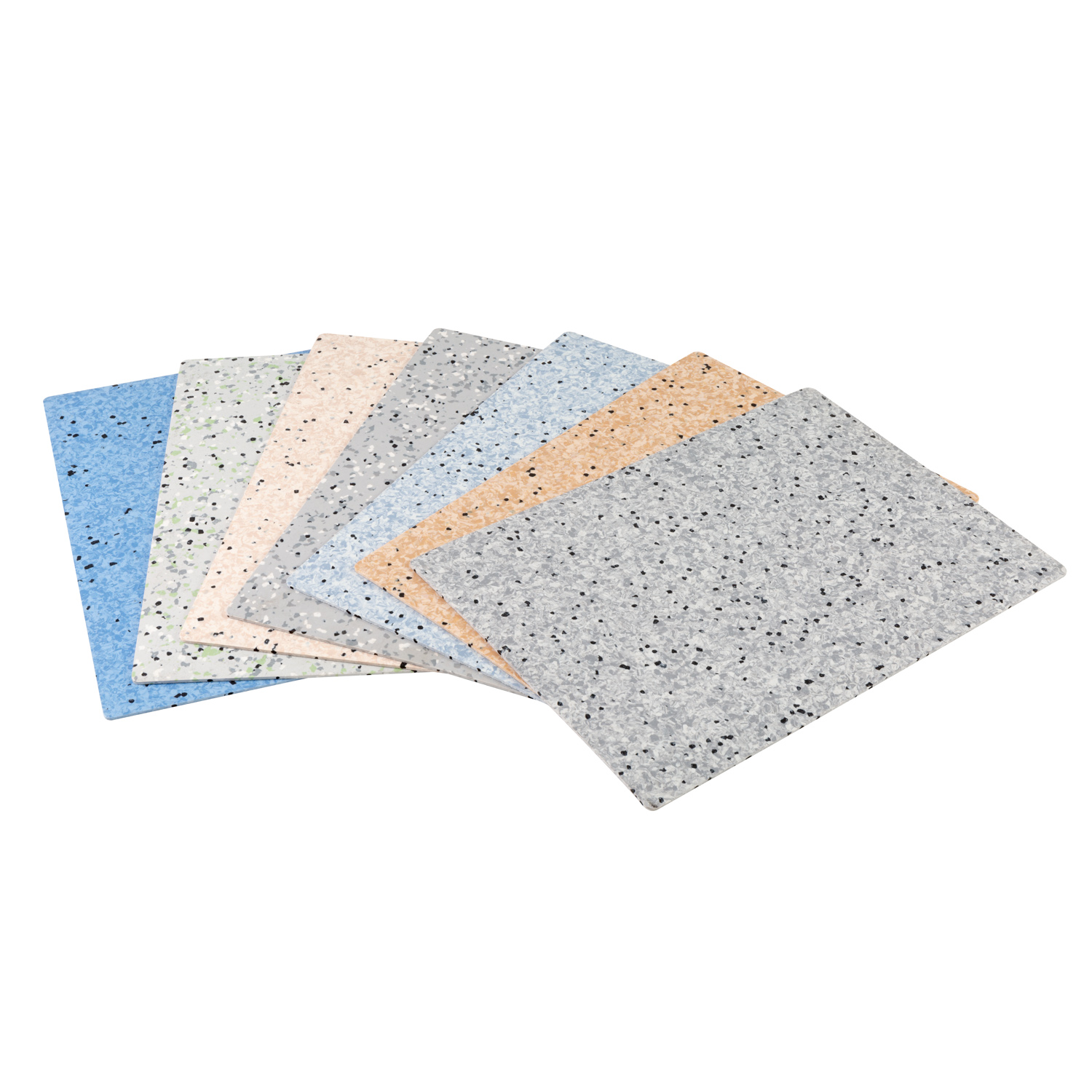
These images are from 3C-Floor’s own site. Screen color and image resolution are illustrative; physical samples, actual décor codes and measured product construction should govern approval.


Many residential flooring complaints begin below the surface. Treat these checks as part of the purchase specification, not as work left until after delivery.
Confirm substrate moisture limits, levelness, surface strength and preparation method for the exact LVT and adhesive or click system.
Vinyl material resists everyday spills, but joints, penetrations and perimeter edges do not automatically create waterproof containment.
Large glazing, heated rooms and seasonal change may alter product movement; follow product-specific limitations.
Tested acoustic performance belongs to an assembly, not a generic “acoustic backing” claim. Review the evidence required by the building.
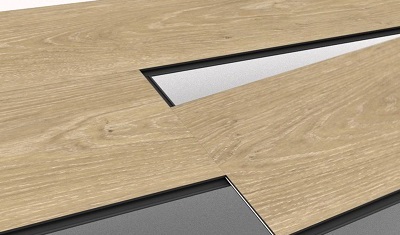
Residential plank layout image from 3C-Floor. Photograph illustrates visual design, not a measured acoustic or moisture performance claim.
For a more cushioned rigid-core plank, compare WPC vinyl flooring construction and walking feel. The best system is the one approved for the complete residential project.
For importers, building-material distributors and apartment developers, repeatability is a commercial specification. The goal is to make the second container match the approved first order—not merely reproduce a similar color name.
Family retail, rental housing, developer packages or renovation contractors; specify room use and target market.
Choose installation system, total thickness, wear layer, décor, surface and test-document needs.
Confirm plank visuals, texture, dimensional data, cartons and inspection references in writing.
Track décor codes, batch shade, carton labels and retained replacement stock across orders.
Target country and residential sales channel
Homes, apartments or rental-project application
Dry back, click or loose-lay system
Thickness and wear layer in mm (or mil)
Plank/tile size, edge, décor and surface
Backing, acoustic and moisture conditions
Quantity, number of designs and repeat-order plan
Required tests, documents and target standard
OEM labels, cartons, barcode and sample boards
Destination port and delivery requirements
If your project includes a new branded line, see how LVT manufacturing and wholesale programs connect specification control with OEM packing. For a broader sourcing program, review the luxury vinyl tile supplier overview.
Yes. Residential LVT flooring is suitable for many living rooms, bedrooms, kitchens, hallways and apartments when the product construction and installation method are approved for the room. Check traffic, subfloor moisture, cleaning and temperature conditions before selecting a specification.
Around 0.3 mm (approximately 12 mil) is a common starting reference for mainstream family homes, while around 0.5 mm (approximately 20 mil) may suit busier households and rental turnover. These are selection guidelines, not a performance guarantee; confirm the chosen LVT model and surface finish.
No. Overall thickness affects floor build-up and construction, while the transparent wear layer protects the printed design against gradual abrasion. Scratch, indentation and dimensional performance also depend on finish, product structure, loads and installation.
Many LVT products have a water-resistant or waterproof vinyl body, but an installed floor is not automatically a waterproof barrier. Moisture can pass through joints and edges or rise from the subfloor; follow the chosen product’s wet-area instructions and moisture limits.
Glue-down LVT is useful for low-profile, permanent installations on a properly prepared substrate. Click LVT is practical for approved floating-floor renovations. Loose-lay LVT can facilitate replacement in suitable rooms but may require adhesive or perimeter restraint; no system is universally best.
Yes, if the complete flooring assembly meets the building’s acoustic requirements. Request test evidence for the selected product, underlay, slab and ceiling configuration; an attached backing alone does not guarantee a particular acoustic result.
3C-Floor offers LVT-related specification, décor and packaging discussions for OEM buyers, distributors and flooring brands. Send the target market, installation type, wear layer, plank size, finish, quantity and artwork requirements to confirm what is available for the selected product family.
Provide the installation system, intended rooms, total thickness and wear layer, plank or tile dimensions, surface décor, backing requirements, expected quantity, target market, packaging needs and destination port. Include any mandatory test documentation and sample approval requirements.
Tell 3C-Floor which rooms, installation systems and market segments you are buying for. We can discuss current LVT options, physical samples, OEM details and quotation requirements before bulk approval.