- 0086 13321818576 (Steven Lee)
- info@3c-floor.com
3C-Floor is an SPC flooring supplier and rigid core flooring manufacturer delivering waterproof, stable, design-driven SPC flooring solutions for residential, commercial, and light industrial environments. From click-system plank collections to customized wear layer, attached underlayment, embossing, and OEM packaging programs, we help buyers turn product requirements into saleable, scalable flooring lines.
OEM / Custom Surface Designs / Stable Lead Time / Quality Inspection / Project Documentation / Export Support
Serious flooring buyers rarely purchase on decoration alone. They purchase on consistency, performance, claim control, installation reliability, packaging accuracy, after-sales responsiveness, and the confidence that the same product can still be reordered months later without unexpected shade drift or structural change. That is why the phrase SPC flooring manufacturer carries commercial intent. A buyer who uses it is usually looking for factory-direct capability, product engineering clarity, and a partner that understands the difference between a sample that looks good today and a program that performs well after container loading, customs clearance, installation, and daily use. Whether that buyer starts by comparing an SPC flooring factory, a waterproof SPC flooring manufacturer, or a click lock SPC flooring supplier, the goal is usually the same: dependable product backed by real production control.
At 3C-Floor, we position SPC flooring as a business solution rather than a commodity. Waterproof performance matters, but waterproof alone is not enough. Buyers also need dimensional stability, locking system reliability, stain resistance, wear performance, flatness, color harmony from batch to batch, underfoot comfort, and packaging that protects the material from transit damage. They need more than an SPC flooring quote manufacturer that only sends numbers. They need a supplier that can communicate clearly with brand teams, product managers, importers, dealers, and project contractors at the same time, and they need predictable response speed, not only a low initial quote. 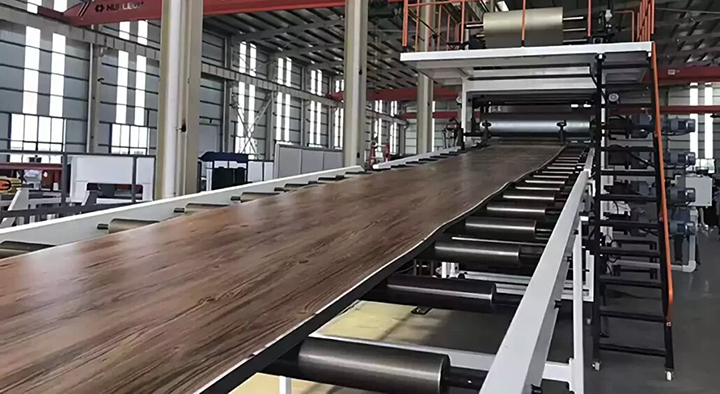
The modern SPC market is crowded. Hundreds of catalogs look similar on the surface. Many factories can show attractive oak visuals, embossed textures, or competitive price sheets. Buyers may compare a China SPC flooring manufacturer, an SPC flooring OEM factory China option, and local intermediaries before making a decision. Yet the strongest long-term suppliers stand out in different ways: they understand application-based product recommendation, they know how wear layer and core density affect the final use scenario, they help buyers avoid overspecification where cost can be saved, and they also know when underspecification will create claims in hospitality corridors, rental properties, classrooms, retail units, or humid residential installations. In short, they think beyond the sample board and behave like an SPC flooring export manufacturer that understands global channel requirements.
That commercial thinking is exactly what this page is built to communicate. It explains what SPC flooring is, why it continues to gain share in global flooring demand, how a manufacturer should approach customization, what technical checkpoints buyers should request before ordering, and how 3C-Floor can support private-label and OEM programs with a balance of cost, compliance, performance, and aesthetics. Buyers who want a fast category overview can also review our SPC flooring product page for additional product context. For importers and distributors, that means a product line that is easier to sell. For contractors and developers, that means fewer surprises on site. For brands building their own product portfolio, that means a manufacturing partner capable of turning specifications into a reliable market offering.
We also understand that buyers arrive with different sourcing goals. Some are looking for a commercial SPC flooring supplier for dealer channels. Some need a residential SPC flooring manufacturer for home-focused assortments. Some are sourcing SPC flooring for apartments, SPC flooring for hotels, or SPC flooring for retail stores. Others want a rigid vinyl plank manufacturer, an SPC vinyl plank manufacturer, or an SPC tile manufacturer that can support project supply, repeat documentation, and export execution. This page is written to answer those practical buying questions clearly, from customization and wear layer selection to lead time planning and reorder confidence.
Send thickness, wear layer, size, quantity, target market, and packaging needs. We will help you match the right construction.
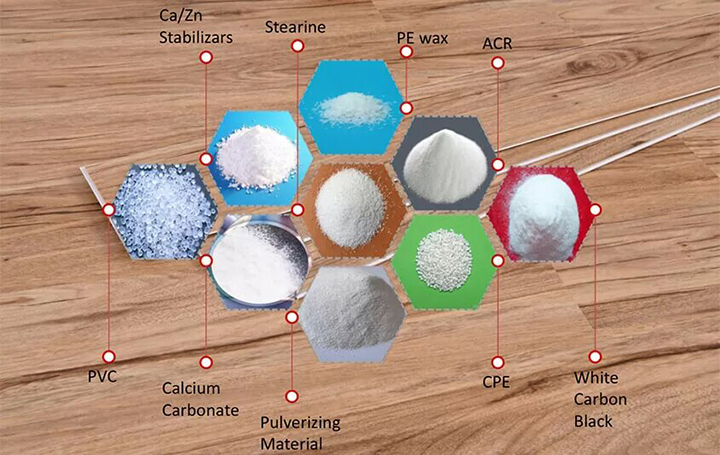
SPC stands for Stone Plastic Composite or, in many international catalogs, Stone Polymer Composite. In practical product terms, SPC flooring is a rigid core vinyl flooring system made from a combination of PVC resin, mineral filler, stabilizing components, decor film, wear layer, and surface treatment. The result is a multilayer floor covering that combines the visual flexibility of printed vinyl with a core that is more dimensionally stable than traditional flexible vinyl constructions. For buyers comparing a stone plastic composite flooring factory with a more general producer, that engineered stability is one reason this stone polymer composite floor category has become a popular option for residential interiors, retail, hospitality, office renovation, rental property upgrades, and many other indoor spaces.
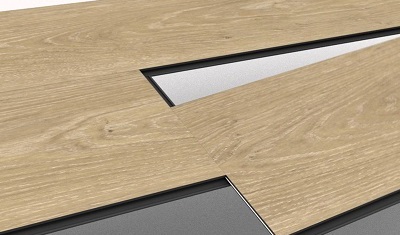
The structure of SPC flooring is central to its market appeal. The upper wear layer helps protect the floor surface against daily foot traffic, micro-scratching, and stain exposure. Beneath that sits the decor film that carries wood, stone, cement, abstract, or contemporary design visuals. The rigid SPC core creates the product’s stability and its characteristic feel underfoot. Depending on the program, SPC flooring with IXPE pad or other attached flooring underlayment solutions may be added to improve acoustic comfort and help smooth minor subfloor imperfections. The finished product is then engineered as click system flooring that allows for floating installation in many project types.
Buyers often choose SPC flooring because it answers a long list of common market demands at once. It can be waterproof, easier to maintain than many porous surfaces, faster to install than glue-intensive systems, and more consistent in appearance than some natural materials. It can also offer a realistic visual range: wood grain, stone look, concrete look, herringbone effect, extra-wide plank, commercial neutrals, warm residential tones, and region-specific design programs. For private-label importers and wholesalers, that means the ability to build category breadth without managing too many unrelated materials. For developers and contractors, it offers a practical balance of looks, efficiency, and maintenance value.
Of course, not all SPC flooring is equal. Performance depends on formulation discipline, core balance, production control, dimensional tolerances, locking precision, and the relationship between thickness, wear layer, and end-use environment. A low-quality product may look attractive in a showroom yet show edge stress, locking weakness, shade mismatch, installation problems, or customer complaints later. That is why working with a knowledgeable SPC flooring manufacturer matters. A good factory does more than “make planks.” It helps buyers select the right construction for the right channel and use condition.
It is also important to understand where SPC sits compared with other resilient flooring categories. Compared with traditional dry-back LVT flooring, SPC offers a more rigid build and usually a click-based installation route that many markets find efficient. Compared with WPC flooring, SPC typically has a denser, harder feel and can be attractive where indentation resistance and cost efficiency are key priorities. Compared with laminate, SPC provides waterproof advantages and different comfort and maintenance characteristics. Compared with ceramic tile, it can be faster to install, lighter for logistics, and warmer underfoot. These comparisons are not about one material “winning” every situation; they are about fit. The best manufacturers help buyers make that fit correctly.
For OEM customers, SPC is especially valuable because it is highly programmable. Surface texture, bevel detail, gloss level, wear layer thickness, size, click profile, attached pad, carton branding, and even collection naming can be tailored for the target market. That creates strong private-label potential. A distributor can sell a distinct collection instead of a generic catalog. A retailer can build a more coherent assortment. A project supplier can offer value, mid-tier, and premium lines under one manufacturing framework.
In short, SPC flooring is not just a trend term. It has become a globally important category because it aligns with modern demands for water resistance, design flexibility, installation efficiency, and cost-performance balance. When paired with a dependable manufacturer and a thoughtful specification process, it can become one of the most commercially effective flooring product lines in a buyer’s portfolio.
Engineered around a rigid mineral-filled core that improves structural stability and supports click installation programs.
Wood, stone, concrete, abstract, and region-specific visuals can be matched to residential or commercial channel needs.
SPC helps importers, project suppliers, and private-label brands combine appearance, practicality, and marketable value.
Waterproof performance remains one of the most recognized strengths of SPC flooring. In practical terms, buyers want a floor that can better tolerate moisture events, easier maintenance routines, and humidity-prone interior areas such as kitchens, bathrooms, entry areas, rental properties, hospitality rooms, and retail environments. A strong manufacturer translates that market expectation into disciplined material formulation, structural balance, and clear installation guidance. Waterproof messaging without technical discipline can create claims; waterproof backed by manufacturing control creates long-term value.
For wholesalers and retailers, waterproof performance is not only a product feature, but a sales story. Consumers increasingly ask for low-maintenance surfaces that fit busy households, pet ownership, children, and modern renovation timelines. Contractors value products that help reduce callbacks related to moisture sensitivity. A manufacturer that understands these commercial realities can support stronger positioning for its buyer’s end market.
SPC flooring is chosen partly because of its rigid feel and dimensional stability. Buyers want planks that install cleanly, hold their shape in normal interior service conditions, and maintain an attractive finished floor appearance. That requires attention to core consistency, thickness tolerance, locking accuracy, and surface-to-core bonding integrity. Stability is one of the clearest differences between a dependable factory program and a purely price-led offering.
In sourcing practice, rigidity matters because it affects packing efficiency, site handling, installer confidence, and long-term perception of quality. It also influences which customer channels the product is best suited to. A professional manufacturer helps buyers avoid mismatching product structure with sales channel expectations.
One of the most frequent sourcing mistakes is selecting wear-layer thickness based only on headline marketing. Different markets need different value propositions. A residential e-commerce line may prioritize visual appeal and price. A multifamily renovation program may need a more balanced combination of durability and budget. A light commercial collection may require a stronger wear layer and stricter surface consistency. The right manufacturer will not push a single solution for every buyer; it will help the buyer choose the most commercially sensible construction.
Matching wear resistance to the end-use channel improves competitiveness. It prevents overengineering where cost can be reduced and helps prevent underengineering where the floor may wear prematurely in real life. This is one of the most valuable forms of manufacturer expertise.
Installation simplicity is one of SPC flooring’s biggest sales advantages. But simplicity depends on precise locking design, stable plank dimensions, and cartons that arrive in good condition. Installers want a product that connects securely, aligns well, and behaves predictably during the job. Distributors want fewer complaints. Developers want faster turnover. End users want a clean final look. The click system is therefore not a minor detail; it is central to user satisfaction.
A strong SPC flooring manufacturer knows how installation affects brand reputation. That is why support often extends beyond production into packaging, pallet planning, loading, and instruction documentation. A well-made product should still perform well after logistics, not only on a showroom shelf.
The visual side of SPC flooring still drives the first impression. Buyers want natural wood looks, modern stone effects, soft matte commercial neutrals, embossed textures, and design families suitable for the market they serve. Residential distributors may need warm oak programs. Commercial channels may want cooler greys, walnut variants, concrete tones, or high-repeatability neutral ranges. Good design is not decoration alone; it is market fit.
An experienced manufacturer also understands repeatability. A beautiful decor loses value if it is not managed well across production runs, cartons, and reorder cycles. For importers and private-label customers, visual consistency is essential because it directly affects customer trust and claim control.
Consumers do not evaluate floors only with technical language. They evaluate the everyday experience: how it feels underfoot, how it sounds in a room, and whether it creates the atmosphere they want. Attached pad options, thickness planning, bevel strategy, and surface finish all influence that experience. A manufacturer that thinks commercially will connect technical choices to end-user perception, because that is how conversion happens at the retail and project level.
For premium programs, comfort messaging may become part of the product story. For value programs, it can still be balanced against budget. The key is having a manufacturing partner able to create multiple tiers rather than forcing every buyer into one formula.
We support private-label development for distributors, wholesalers, importers, chain stores, and project-focused brands.
There is no single “best” SPC flooring specification. The right construction depends on channel, application, budget target, installation environment, and market expectation. The table below reflects common OEM ranges and sourcing checkpoints that buyers typically discuss with an SPC flooring manufacturer.
| Item | Typical OEM Options |
|---|---|
| Total Thickness | Common commercial and residential programs often range from 3.5mm to 8.0mm depending on target market, acoustic requirement, and price level. |
| Wear Layer | Typical options include 0.2mm, 0.3mm, 0.5mm, and higher project-driven constructions for more demanding applications. |
| Plank Size | Standard and custom plank dimensions may be selected to fit residential retail programs, multifamily renovation, or contemporary project styling. |
| Tile Size | SPC tile formats can support stone-look collections, commercial neutrals, lobby concepts, or modular space planning. |
| Surface | Embossed, EIR-inspired, matte, brushed, hand-scraped effect, micro-bevel, painted bevel, or contemporary smooth-finish programs. |
| Attached Pad | Optional IXPE/EVA underlayment solutions can be configured based on comfort, sound, positioning, and cost target. |
| Locking System | Click profile is selected for installation efficiency, fit stability, and channel preference; performance consistency is critical. |
| Core Construction | Rigid mineral-filled core engineered for dimensional balance, product stability, and the intended usage environment. |
| Surface Coating | Urethane or other wear-enhancing top treatments may be chosen depending on maintenance expectations and channel tier. |
| Packaging | Neutral export cartons, OEM printed cartons, private label, barcode labels, pallet marking, and container loading optimization. |
| Documentation | Inspection records, loading details, packing list support, and third-party testing coordination depending on order and market needs. |
The technical conversation should never be reduced to thickness alone. Thickness matters, but it does not tell the whole performance story. A 5mm product with disciplined locking precision and good component control may outperform a thicker product built with weaker consistency. Likewise, specifying a 0.5mm wear layer for every channel may increase cost where a well-targeted 0.3mm program would create better overall margin. Good manufacturing support helps buyers find the sweet spot between performance credibility and commercial competitiveness.
Another important point is that technical specifications should always be discussed together with the intended application. A premium dealer collection, a builder-grade renovation line, and a hotel corridor product cannot be evaluated in the same way. One may prioritize appearance and consumer-friendly pricing. Another may emphasize speed of installation and low call-back risk. Another may require documentation confidence, more robust wear resistance, or a particular underlayment solution. A manufacturer who asks detailed use-case questions is usually a better partner than one who sends only a price table.
Lead time is also part of technical success. The best product specification still fails commercially if it cannot be delivered in the right timeframe. That is why experienced buyers evaluate manufacturing planning together with design selection, order volume, packaging needs, and market launch timing. 3C-Floor approaches SPC programs with that broader view. The goal is not just to make a floor; it is to support a workable sourcing plan.
The success of SPC flooring comes from how broadly it can be used while still delivering a coherent value proposition. Buyers are not only choosing a material; they are choosing where that material can win in the market. The strongest applications are the ones where waterproof practicality, design flexibility, installation efficiency, and maintenance simplicity matter together. Buyers who want to see broader end-use references can also browse our application page for additional project and usage examples.
SPC works well for living rooms, kitchens, bedrooms, dining areas, apartments, rental properties, and home renovation programs where water resistance, easy care, and modern design all matter. This is why SPC flooring for apartments remains a strong category for developers and distributors.
Property managers often need surfaces that look modern, install efficiently, and support durable turnover cycles between occupants.
Retail and showroom environments benefit from attractive visuals, maintenance simplicity, and format options suited to brand identity. Well-positioned SPC flooring for retail stores can support both design appeal and operating practicality.
Hotels, serviced apartments, and guest rooms value appearance, repeatability, and practical maintenance performance for daily operation. In many hospitality programs, SPC flooring for hotels is selected for its balance of style, speed, and predictable upkeep.
Modern workplaces, learning spaces, training centers, and support areas can benefit from resilient, design-conscious flooring solutions.
Clinics, boutiques, meeting rooms, corridors, and mixed-use interiors often require a clean balance between visual quality and practical operation.
In residential channels, SPC flooring succeeds because it aligns with how people live today. Many households want visually attractive interiors without the maintenance concerns of more sensitive materials. They want a floor that can handle daily movement, easier cleaning, children, pets, and occasional moisture exposure. They also want product choices that fit many design directions: Scandinavian oak, warm walnut, natural maple, stone-inspired neutrals, modern cement tones, and more. An SPC flooring manufacturer serving residential buyers must therefore think about style curation, not just industrial output.
In multifamily and rental sectors, the equation changes slightly. Here, operators focus on turnover speed, installation efficiency, cost control, and appearance strong enough to support leasing appeal. A good SPC program can help simplify renovation planning because it offers a clear blend of modern aesthetics and operational practicality. The manufacturer’s role is to recommend the right construction rather than overselling the premium tier when a more balanced solution would serve the property better.
Hospitality projects need more than surface appeal. They need repeatability across rooms, coordinated design families, and product choices that are appropriate to expected traffic and maintenance procedures. A hotel room line and a corridor line may not be exactly the same. An experienced supplier understands this and can help segment the offer. The same logic applies to office spaces, retail stores, education projects, and many mixed-use interiors. The manufacturer should be capable of discussing channel strategy, not merely listing plank dimensions.
Another important application trend is private-label distribution. Distributors increasingly want product programs they can own, market, and reorder under their own brand identity. SPC is ideal for that because it supports distinct design collections, product tiering, carton customization, and marketing storytelling. The right manufacturer becomes a behind-the-scenes growth partner, helping buyers create a sellable collection rather than only a one-time order.
In every one of these applications, the core requirement is fit. Not the cheapest product. Not the heaviest specification. Fit. That is the standard a professional SPC flooring manufacturer should be helping buyers achieve.
We will recommend an SPC structure that matches your market instead of forcing a one-size-fits-all solution.
A buyer comparing SPC flooring manufacturers is really comparing risk profiles. Who can respond clearly? Who can guide product selection without confusion? Who can maintain quality discipline? Who can support custom work without losing control of the basics? Who can keep communication practical from sampling through shipment? The answers to those questions determine whether a sourcing relationship becomes scalable or frustrating.
3C-Floor’s public company positioning emphasizes its role as a specialist manufacturer of SPC, WPC, LVT, and other vinyl flooring solutions, with supporting quality control, research & development, and product-development pages available on its website. Its public Why Us page states over 20 years of focus in PVC vinyl flooring manufacturing, mentions multiple factories and production lines, and highlights in-house quality control as well as export-oriented service support. That kind of positioning matters because it reflects an operational mindset rather than a purely listing-based sales approach.
We approach SPC flooring from a manufacturing and product-program perspective. That means the conversation includes performance, lead time, appearance consistency, package planning, and channel fit. It is not just “send a catalog and hope.” Buyers benefit because the quotation process becomes more useful and less generic.
3C-Floor serves buyers who need private-label and custom configurations. That can include dimensions, wear-layer selection, decor strategy, surface texture, underlayment options, and packaging presentation. Customization is valuable only when paired with control, and that is where factory experience matters.
Public QC content on the 3C-Floor site highlights testing attention around wear resistance, formaldehyde, flame retardancy, water resistance, tear resistance, and peeling strength. For buyers, that signals a process culture that recognizes claim prevention as part of export business, not an afterthought.
The brand’s public R&D information speaks to customized formulation support and technical specification handling. This matters because buyers increasingly want more than standard samples. They need market-specific solutions and a supplier willing to shape the final product around the business case.
A fast answer does not ship a container by itself, but it improves every stage of the sourcing cycle: sampling, quotation, revisions, label confirmation, packing discussion, inspection planning, and post-shipment follow-up. Clear communication is a hidden but major part of successful factory cooperation.
The best manufacturers do not simply say yes to every request. They help buyers avoid wrong combinations of price, thickness, wear layer, and use case. That protects both product reputation and long-term cooperation.
From a buyer-trust perspective, the strongest factory pages are the ones that connect claims to capabilities. It is not enough to say “high quality.” A credible manufacturer should explain how quality is supported. It is not enough to say “customized.” A credible manufacturer should outline which parameters can be customized and why that matters to the buyer. It is not enough to say “good service.” A credible manufacturer should show how service helps reduce sourcing friction. This page is designed with that philosophy in mind because clear, structured, experience-led content helps serious buyers evaluate a supplier more confidently than thin product copy.
If your goal is to build a repeatable SPC flooring line under your own brand, source a dependable product for projects, or expand your product assortment with a stronger rigid core offering, 3C-Floor is positioned to be the kind of manufacturing partner worth evaluating seriously. Buyers doing supplier due diligence can also visit our company profile and factory tour pages for additional background.
Buyers often ask whether SPC is better than WPC, LVT, laminate, or ceramic tile. The right answer is not universal. It depends on the application, positioning, and expected user experience. The comparison below helps frame sourcing decisions more strategically.
| Category | SPC Flooring | WPC Flooring | Dry-Back LVT | Laminate | Ceramic Tile |
|---|---|---|---|---|---|
| Water Resistance | Strong waterproof positioning for many interior environments. | Also moisture resistant; often selected for comfort-oriented premium lines. | Depends on installation system and project conditions. | Can be sensitive in wet conditions depending on construction. | Excellent moisture tolerance once installed correctly. |
| Installation | Floating click systems are widely valued for efficiency. | Floating installation common; softer underfoot in many cases. | Requires adhesive and subfloor preparation discipline. | Click installation common in many markets. | More labor-intensive and structurally demanding. |
| Underfoot Feel | Firm and stable; can be improved with attached pad options. | Generally softer and thicker feel. | Depends on substrate and adhesive system. | Can feel harder and may be more moisture-sensitive. | Hard and cool underfoot. |
| Design Flexibility | High flexibility for wood, stone, and custom visuals. | High flexibility with premium comfort positioning. | High flexibility in modular and design programs. | Good wood-focused aesthetics. | Strong stone/tile aesthetics but different visual language. |
| Commercial Appeal | Excellent balance of practicality, trend design, and marketability. | Often positioned slightly more premium. | Strong for project-driven installations. | Competitive in value-driven residential channels. | Durable, but heavier and slower in many renovation contexts. |
| Logistics | Export-friendly format for global distribution. | Also exportable, sometimes at different cost structures. | Project logistics depend on adhesive and site readiness. | Widely distributed internationally. | Heavier and more fragile in many transport scenarios. |
Compared with WPC, SPC is frequently chosen when buyers want a harder, denser feel and a sharp cost-performance proposition. Compared with dry-back LVT, SPC offers the selling advantage of rigid click installation in many programs, which can be particularly attractive for renovation and multi-unit work. Compared with laminate, SPC benefits from waterproof market positioning and the design vocabulary of modern resilient flooring. Compared with ceramic tile, SPC often wins on speed, handling, and warmer everyday experience. Each category has a place, but SPC occupies an especially attractive middle ground for today’s global flooring demand.
From a portfolio strategy perspective, that middle ground matters. Importers and distributors do not want products that are difficult to explain. SPC is relatively easy to position: modern look, waterproof practicality, click convenience, broad style range, and good commercial value. That is why so many buyers search directly for an SPC flooring manufacturer when building or expanding their product line.
Customization is one of the biggest reasons buyers prefer to work directly with a manufacturer rather than sourcing from a generic trading layer. In flooring, customization is not only a technical option. It is a commercial advantage. Whether the goal is OEM SPC flooring, OEM rigid core flooring, or a differentiated collection for project supply, customization helps brands stand apart, distributors avoid direct comparison, and project suppliers tailor the product to practical site needs. But customization must be managed intelligently. Too little customization leads to a generic offer. Too much unstructured customization leads to delay, confusion, or cost inefficiency. The right manufacturing partner helps buyers customize with purpose.
At 3C-Floor, OEM and custom SPC flooring programs can be developed around the parameters that matter most to the market outcome. Buyers exploring broader private-label categories can also review our custom vinyl flooring capabilities. For teams looking for a custom SPC floor factory, private label SPC flooring, or private label rigid core flooring, that begins with basic product construction: thickness, wear layer, plank or tile format, click structure, attached underlayment, bevel, and surface texture. It then extends into aesthetic strategy: wood tone family, trend direction, realism level, commercial neutrality, decor repeat, and collection architecture. Finally, it includes packaging and market presentation: carton artwork, pallet marking, SKU structure, barcode labeling, instruction sheets, and private-brand support.
For wholesalers and distributors, the ability to build a coherent collection is especially valuable. Instead of buying random designs one container at a time, they can create a line architecture: value, mainstream, premium; narrow plank, wide plank, herringbone-look, stone-look; residential, multifamily, light commercial. That architecture makes the product easier to sell and easier to reorder. For buyers comparing an SPC floor plank supplier with a more complete program partner, this difference is substantial. A manufacturer who understands this becomes more than a vendor. It becomes a category partner.
OEM programs are equally important for chain stores, online sellers, and brand owners. Their needs often include tighter visual curation, stronger packaging identity, and more disciplined batch management. They may also require product stories that align with their own market message: waterproof living, family-friendly performance, renovation speed, commercial durability, or premium design realism. Buyers looking for an embossed SPC flooring supplier or a branded waterproof vinyl floor program need the factory to support those stories with actual configuration logic, not only marketing language.
Project customization has its own priorities. In hotel, apartment, office, education, or retail environments, the buyer may need a selected palette, a certain specification balance, clear packing labels, and reliable communication for schedules. There may be mockups, approval sequences, or document requests. The factory must be able to work through those details without losing control of production basics. That is where process maturity shows.
Customization should also support lead time. That may sound obvious, but it is often overlooked. The most sellable product is not always the most customized one; sometimes it is the one that balances brand identity and delivery practicality. Experienced manufacturers help buyers make that tradeoff wisely. They know where customization creates margin and where standardization creates speed. That is the kind of decision support serious buyers appreciate.
Share your target market and preferred price range. We can propose a practical OEM path for launch.
In flooring export business, quality control is not a decorative phrase. It is the difference between a successful product line and a costly chain of complaints. Floors are installed products. Once they reach the jobsite or end customer, replacement cost is dramatically higher than product cost alone. That is why buyers who understand the category pay close attention to the factory’s quality mindset. They want to know whether the manufacturer thinks beyond basic shipment.
3C-Floor’s public QC content emphasizes a strict quality control system and identifies attention areas such as wear resistance, formaldehyde percentage testing, flame retardant testing, water resistance, tear resistance, and peeling strength. It also states openness to third-party testing support. Those signals matter because they align with the expectations of global buyers who increasingly need documented confidence, not just verbal assurance.
From a sourcing perspective, quality control should be understood in layers. First is raw material and component consistency, because unstable inputs lead to unstable finished goods. Second is production-process discipline: tolerances, locking accuracy, decor alignment, coating quality, and board balance. Third is finished-goods inspection: dimensions, surface appearance, packaging integrity, and documented verification before loading. Fourth is shipment readiness: container plan, pallet condition, labeling clarity, and communication. If any one of these layers is weak, the entire program becomes more fragile.
Certification and compliance are also part of the decision process. Different markets, channels, and projects may require different test reports or declarations. Some need stronger fire-performance support. Some emphasize environmental documentation. Some require specific customer-side testing protocols before launch. In practice, some buyers are specifically searching for a wear resistant SPC floor supplier or a B1 SPC flooring manufacturer because their channel or project has tighter durability or fire-related expectations. A strong SPC flooring manufacturer does not treat documentation as a burden. It treats it as part of serving export markets professionally. That is especially important for private-label brands, distributors supplying chain accounts, and project contractors working under client review.
It is equally important to remember that compliance is not only about passing a test once. It is about maintaining consistency so that the shipped product continues to match the approved standard. That is why buyers often prefer to cooperate with a manufacturer that has a visible QC narrative and a process-led mindset. The cheapest offer on paper may be expensive later if it generates claims, delays, or brand damage.
For practical quotation work, buyers should communicate their compliance expectations early. If the target market or customer has specific requirements, those requirements should be included in the inquiry together with product construction details. This improves planning, helps avoid misunderstandings, and allows the factory to recommend the most suitable production path. Clearer input leads to better output. That principle applies to quality as much as to price.
Lead time and quality are also linked. Rushed change requests, incomplete carton approvals, late artwork confirmation, or last-minute spec revisions can all affect execution. A dependable factory helps manage that process. It asks the right questions at the right time. That is not sales friction; that is professional control. Buyers who care about long-term results understand the difference.
A regional distributor wanted to expand beyond generic flooring imports and launch a more structured private-label rigid core line. The challenge was not simply finding a low-cost SPC floor. The real challenge was building a collection that could compete in the local market across multiple sales situations: dealer display boards, contractor quotation packages, digital marketing, and repeat orders. The distributor needed something with waterproof selling power, realistic wood visuals, a clean click installation story, and dependable packaging under its own brand.
The distributor’s needs included a balanced mainstream specification, a more premium option for dealer upselling, custom carton artwork, a grouped color strategy instead of random single designs, and reliable response during sample approval. The company also needed practical guidance on which wear layer and thickness combinations would make sense for its core market rather than simply receiving a long list of generic options.
The manufacturing discussion focused on channel fit first. Instead of starting from price alone, the specification process worked backward from the distributor’s customers: residential buyers, renovation contractors, and small project accounts. A collection architecture was created around broadly marketable oak and neutral-wood visuals, with construction options that made sense commercially. OEM packaging and label structure were aligned to the distributor’s brand identity so the final product would look like a real brand line rather than relabeled stock.
The value of this approach was not only the finished floor. It was the stronger sales story. The distributor could now present a coherent collection with clearer positioning, better packaging identity, and more confident product explanation. That improved dealer conversation, supported digital promotion, and made repeat ordering easier. This is the kind of commercial result buyers often achieve when they work with a manufacturer that understands both product and channel strategy.
The best SPC flooring partnerships are not built only on price lists. They are built on the ability to translate market demand into a repeatable product program. That is where manufacturer expertise becomes visible.
If you are evaluating suppliers, it helps to think in terms of long-term partnership rather than one quotation. A supplier can offer a competitive number today and still be a poor partner tomorrow. The right manufacturer is the one that improves your probability of stable growth. When buyers compare an SPC flooring supplier, an SPC flooring factory, an SPC vinyl plank manufacturer, or a broader rigid vinyl plank manufacturer, the same decision logic applies. That involves several questions.
A strong factory asks where and how the product will be sold. Retail, project, wholesale, e-commerce, and private-label channels all require different balances of specification, design, and packaging.
If the supplier cannot explain the commercial effect of thickness, wear layer, click quality, and design selection, the sourcing process becomes riskier.
Generic quality claims are not enough. Look for evidence of process thinking, testing awareness, and willingness to support inspection and documentation.
Private-label work requires more than logo printing. It requires disciplined handling of collection planning, carton approval, labels, and repeatability.
Fast, clear, and practical communication often predicts how smoothly the rest of the order will go. Slow and vague answers create downstream cost.
The best suppliers are not just shipment providers. They help buyers refine the assortment, improve channel fit, and support repeat programs over time.
It is also wise to look at the manufacturer’s public content. Does the company appear to understand the product categories it serves? Does it explain use cases? Does it demonstrate awareness of quality control, R&D, and buyer questions? In today’s environment, strong digital presence is not separate from strong business support. It often reflects whether the company has the maturity to communicate professionally with global buyers and whether it can operate as a factory direct partner for a real distributor program.
Another useful approach is to compare not just prices, but the quality of the quotation process itself. Which supplier asked better questions? Which one provided more commercially useful recommendations? Which one gave you more confidence in packaging, customization, and project handling? Whether you are reviewing a commercial flooring solution for distribution, a project supply brief, or a launch plan for OEM packing, those differences may matter more over time than a narrow initial cost gap.
Send your specification or target market details and let us build a quotation around your business case.
SPC flooring uses a rigid core construction that gives the product greater structural stability and a different installation logic than many traditional flexible vinyl products. It is often chosen for waterproof positioning, click installation, and a firmer underfoot feel.
Yes. SPC flooring can be configured for different channels including residential, multifamily, hospitality, retail, office, and other interior applications. The correct wear layer, thickness, and surface strategy should be selected according to the actual use environment.
Yes. OEM and custom support can include product structure, dimensions, decor programs, attached pad options, carton artwork, barcode labels, and other private-label requirements depending on the order program. That makes 3C-Floor suitable for buyers developing OEM SPC flooring, private label SPC flooring, and broader private label rigid core flooring collections.
Please share the target market, intended application, thickness, wear layer, plank or tile size, quantity, preferred colors or style direction, underlayment preference, packaging requirements, and any test or compliance expectations. The clearer the inquiry, the more accurate the quotation.
SPC flooring is widely positioned as a waterproof flooring solution for many interior spaces. However, correct installation, subfloor conditions, and application suitability should still be considered to achieve the best real-world performance.
Yes. Manufacturers can often support different wood and stone visuals, embossed finishes, bevel choices, gloss levels, and design collections tailored to residential, commercial, or private-label channel needs.
Yes. Optional attached pad programs such as IXPE or similar acoustic layers can be discussed depending on comfort expectations, market positioning, and budget. For many channels, SPC flooring with IXPE pad is used to improve acoustic comfort and strengthen the premium value story.
The right wear layer depends on whether the product is aimed at residential, rental, dealer, project, or light commercial use. A professional manufacturer should help you balance performance, price, and channel expectations instead of recommending one standard for every scenario.
3C-Floor’s public QC information indicates support for third-party testing. For specific projects or markets, required testing and inspection arrangements should be discussed early during inquiry and order planning.
Working directly with a manufacturer can improve customization flexibility, technical clarity, communication efficiency, packaging control, and long-term reorder stability. It can also help buyers build stronger private-label and market-specific product programs through a more factory direct relationship.
SPC flooring is widely used in homes, apartments, rental properties, retail stores, hospitality spaces, offices, and other light commercial interiors where waterproof practicality, design appeal, and installation efficiency matter.
You can start by sending your target product details and market requirements through the Request A Quote page. Based on your application, quantity, design preference, and OEM needs, the factory can propose a suitable SPC flooring solution.
If you are looking for an SPC flooring manufacturer that can support OEM development, private-label growth, export-ready documentation, and commercially useful product recommendations, 3C-Floor is ready to discuss your project. Whether you need a fast quotation from an SPC flooring quote manufacturer for a current order, a structured project supply offer, or a long-term rigid core program for your market, the next step is simple: send your requirements and let us turn them into a workable factory proposal.