Importers & Regional Distributors
Need balanced color families, container efficiency, repeatable SKU codes, export packing and enough price coverage for multiple dealers.
Priority: reliable reorder structure


3C-Floor helps flooring brands, importers, distributors and retail groups turn a market brief into a coherent SPC collection—covering product structure, color direction, EIR texture, backing, cartons, labels, sample presentation and export packing.
It means the flooring is manufactured for your business to sell under your own name—not merely placed in a generic box with a new sticker.
Your specification: thickness, wear layer, plank size, surface, click profile and backing are selected around the intended user and price band.
Your assortment logic: colors are grouped into a collection with a clear reason to exist, rather than chosen as unrelated samples.
Your market presentation: carton artwork, product naming, side labels, barcode data and sample materials support your local sales process.
Your reorder reference: approved samples and recorded production details create a practical benchmark for future orders.
A carton can display a logo, but a durable flooring brand needs more: a product ladder, a defined target customer, consistent SKU coding, sample standards, specification discipline and a repeat-order plan.
3C-Floor approaches private label SPC flooring as a connected program. The visible design and the hidden construction are developed together so the range can be quoted clearly, presented professionally and reordered with fewer surprises.


A private label sample should answer more than “Do I like this color?” It should help your team judge the product as a complete commercial item.
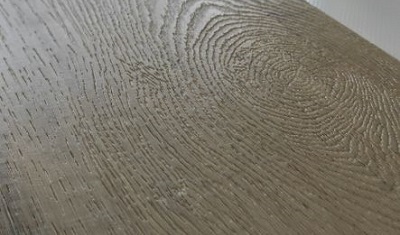
Does the embossing support the printed grain instead of fighting it?
Is the plank proportion appropriate for your target room size and price category?
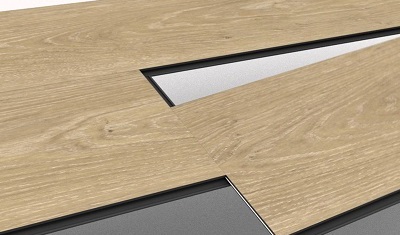
Does the locking edge look clean, consistent and protected by the chosen packaging?
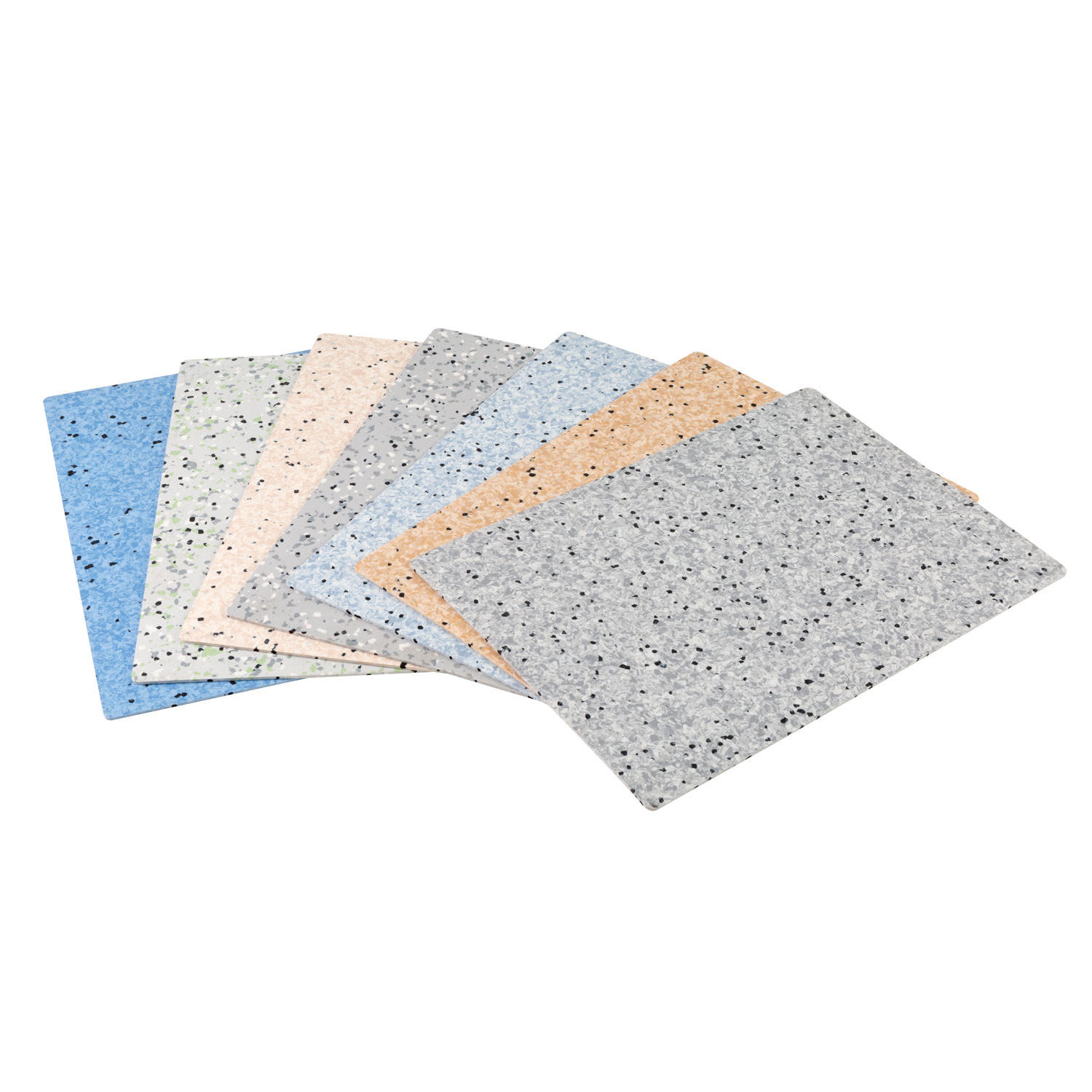
Can the selected colors sit together on one display board without duplicating each other?
Private label flooring performs better when the product architecture matches the sales channel. The same SPC plank should not be configured or presented identically for an importer, a retail chain, a project supplier and an online flooring brand.
Need balanced color families, container efficiency, repeatable SKU codes, export packing and enough price coverage for multiple dealers.
Priority: reliable reorder structureNeed easy-to-explain collections, attractive sample boards, meaningful product names, clear good-better-best positioning and professional cartons.
Priority: stronger showroom conversionNeed specification discipline, traffic-based wear layers, coordinated documentation, installation guidance and delivery planning tied to the job schedule.
Priority: lower project riskNeed distinct visual stories, clear online comparison points, consistent photography direction, protective cartons and replacement-friendly SKU management.
Priority: differentiated digital merchandisingThe most effective customization decisions connect a technical choice to a commercial purpose. Each option below should help improve sell-through, fit an application, protect margin or reduce supply-chain friction.
Develop oak, walnut, beige, grey, stone or modern neutral directions as a coordinated family. Existing designs can speed up launch; more distinctive programs may use custom color development.
Select matte, wood grain, embossed, deep texture or EIR direction according to the design story and selling price. Texture should support the printed visual and expected maintenance profile.
Use standard, wide or long plank proportions, plus selected herringbone or design-led formats, to match local room sizes, installation habits and merchandising plans.
Match the structure to residential, rental, hospitality, retail or light commercial use. Avoid overspecifying an entry program or underspecifying a higher-traffic collection.
Confirm click profile, edge appearance and bevel direction as part of the full plank system. These details influence installation feel, visual definition and replacement work.
IXPE, EVA or other program-specific backing can support comfort, acoustic positioning and installation convenience. Thickness and color should be recorded for future reorders.
Prepare carton artwork, side labels, color codes, model names, barcodes, installation information, pallet marks and handling instructions for your warehouse and sales channel.
Organize sample planks, display boards, collection naming and technical sheets so buyers can compare the range quickly and your team can sell it consistently.
Coordinate color ratios, carton counts, pallet layout, mixed-SKU logic and destination requirements before production to make receiving and inventory control easier.
Use this as a commercial planning framework—not a fixed specification sheet. Final construction should follow the target market, test requirements, subfloor conditions, traffic level, installation method and budget.
| Program Position | Typical Construction Direction | Best-Fit Channel | Private Label Focus |
|---|---|---|---|
| Launch / Entry | Approx. 4.0–5.0 mm total thickness, 0.3 mm wear layer, proven wood colors, practical matte surface | Rental renovation, first container testing, value retail, regional dealer launch | Focused SKU count, simple carton, clear color coding, controlled landed cost |
| Mainstream Distributor | Approx. 5.0–5.5 mm, 0.3–0.5 mm wear layer, optional attached backing, balanced oak and neutral palette | Wholesale warehouses, flooring stores, contractor networks, multifamily supply | Good-better product ladder, sample boards, repeatable codes, mixed-color planning |
| Premium EIR | Approx. 5.5–7.0 mm, 0.5 mm wear layer, aligned EIR texture, wider or longer plank direction | Showrooms, retail brands, design-led residential, hospitality guest rooms | Exclusive visual story, premium carton, display system, richer product naming |
| Commercial / Project | Approx. 6.0–8.0 mm, 0.5–0.7 mm wear layer, application-matched surface and backing | Retail, office, education, hotel, apartment and selected light commercial projects | Specification sheets, approval samples, lot control, delivery and replacement planning |
The stated ranges are common planning directions for quotation discussion. Confirm exact dimensions, tolerances, test methods and application suitability in the final technical agreement.
The goal is not to move quickly by skipping decisions. It is to make the right decisions in the right order, then lock them into one traceable product program.
Define country, sales channel, price position, customer type, competing products and expected launch volume.
Choose the number of product tiers, SKU count, color balance and the role each group plays in the assortment.
Review surface, plank format, construction and backing together rather than approving the color alone.
Confirm product names, carton artwork, side labels, barcode data, installation text and pallet marks.
Approve a physical benchmark and record the final specification used for production and inspection.
Manufacture, inspect, pack and organize the order according to confirmed product and packaging documents.
Reference the same product passport, artwork version, sample and SKU logic when the next order is placed.
A product passport gives procurement, production, quality control, warehouse and sales teams the same reference. It is especially valuable when a successful color needs to be reordered months later.
Physical samples reveal gloss, texture, edge appearance and color behavior that digital images may not show accurately.
Confirm text, color code, barcode, carton dimensions and regulatory statements before printed packaging enters production.
Review how the full color family looks together and whether each SKU fills a distinct customer need.
Record production references and keep communication clear so replacement evaluation is based on agreed criteria.
Accurate pricing requires structure, color mix, backing, packaging, quantity and destination—not only a target price per square meter.
3C-Floor supplies SPC, LVT, WPC and PVC flooring programs for international buyers. That broader resilient-flooring perspective helps private label customers compare structures and build a more practical catalog.
Product options are discussed in relation to channel, price tier, end use and reorder plan—not presented as an endless list of technical choices.
Surface, structure, backing, carton, labels and shipment details can be coordinated within one private label workflow.
Sampling, specification confirmation, packing information and order documentation are organized for overseas B2B purchasing.
Buyers can compare SPC with LVT, WPC and other vinyl flooring options when one construction does not fit every market segment.
These six pages extend the topic from private label development into product structure, factory selection, importer supply, distribution, wholesale planning and surface design.
Clear answers for brands, importers, distributors, retailers and project suppliers preparing an OEM or ODM rigid core flooring program.
Private label SPC flooring is rigid core vinyl flooring manufactured for a buyer to sell under its own brand. The product can use custom specifications, color selections, carton artwork, labels, SKU names and market-specific documentation.
Common options include décor film, color family, EIR or embossed texture, plank size, total thickness, wear layer, bevel, click profile, IXPE or EVA backing, carton artwork, barcode labels, sample boards and pallet marks.
MOQ depends on product structure, décor film, color quantity, packaging, backing and whether the program uses existing or newly developed materials. A focused launch collection normally gives better production efficiency than many low-volume SKUs. Send your target plan for a program-specific answer.
Mixed-color container planning may be available when color ratios, carton labels, pallet marks and loading details are confirmed before production. The feasible mix depends on the selected designs and order volume.
Yes. Private label support can include carton artwork, side labels, product names, color codes, barcodes, installation information, pallet marks and sample presentation materials according to the approved order brief.
Repeat-order control starts with an approved product specification, reference sample, color code, surface direction, backing, locking profile, packing file and inspection criteria. Buyers should reference the same product passport for every reorder.
Yes. The structure can be planned for residential, rental, retail, hospitality, office, education and light commercial channels by matching wear layer, thickness, surface finish and backing to the expected traffic and installation conditions.
Send the target country, buyer channel, expected price level, total thickness, wear layer, plank size, texture, backing, color direction, packaging requirements, estimated quantity, destination port and required delivery window.
Send your target market, channel, price position, preferred colors, thickness, wear layer, backing, packaging idea, quantity and destination port. 3C-Floor will use the information to prepare a more practical product and quotation direction.