Core movement
SPC's mineral-filled PVC core generally provides better rigidity than flexible vinyl. However, temperature changes can still cause dimensional variation. Never describe rigid core as “zero expansion.”



 Technical buying intelligence
SPC Flooring / Performance Guide
SPC flooring is a rigid-core vinyl floor that can remain dimensionally stable in properly controlled indoor environments, but it is not immune to heat, cold, sunlight or thermal movement. For importers, contractors and private-label brands, the right question is not “What is the highest temperature SPC can survive?” It is “Which room, floor-surface and heating conditions are approved for this exact plank?”
3C-Floor helps buyers define an SPC construction, review its installation limits and identify the evidence needed before bulk or project approval. Start with the thermal exposure and intended use; then match the sample, data sheet and quotation.

The short answer
SPC flooring has a rigid mineral-filled vinyl core that helps limit dimensional change under suitable indoor conditions. It does not have one universal minimum or maximum operating temperature. Heat can affect the vinyl surface, click joints and total floor assembly; cold can make installation and movement more sensitive. Check the specific product's room-temperature range, measured floor-surface temperature, radiant-heating approval and solar exposure.
For the product described in 3C-Floor's published SPC click installation guide, the heated floor surface must stay at or below 27°C and the heating instructions refer to water-based rather than electric systems. Those instructions are a reference, not a promise for every current SKU.
Technical note: A competitor's “−30°C to +60°C” or similar claim cannot be transferred to a different SPC construction. The temperature of a laboratory specimen, shipping container, room air and installed floor surface are different measurements.
01 / Define the temperature
An SPC flooring temperature-range claim is meaningful only when it tells you where the temperature was measured, for how long and under which installation conditions.
When distributors import a range of SPC click vinyl products, they often receive one figure labeled “heat resistant.” That number might represent a short laboratory exposure, a recommended radiant-floor limit, or an environmental condition. They are not equivalent, and none of them by itself establishes suitability for a sunroom, an unheated warehouse or a heated concrete slab.
| Measurement | What it actually describes | Buyer approval question |
|---|---|---|
| Ambient room temperature | Air surrounding the finished floor during installation and ongoing occupation. | What indoor operating range does the exact installation manual permit? |
| Floor-surface temperature | Temperature measured on top of the plank, influenced by heated slabs and direct sun. | What is the maximum surface limit, and where will it be monitored? |
| Shipping / storage temperature | Temporary carton or plank exposure before installation, sometimes with prolonged heat or cold. | What packaging, flat support, protection and reconditioning are required? |
| Laboratory heat conditioning | Controlled exposure used to assess dimensional stability, curling or other changes. | Which test method, exposure, product specimen and measured result apply? |
Practical sourcing rule: Treat a stated SPC flooring heat-resistance temperature as incomplete until the supplier confirms the measurement location, exposure duration, accepted movement or appearance criteria and model-specific warranty conditions.
02 / What heat does to the floor
SPC's mineral-filled PVC core generally provides better rigidity than flexible vinyl. However, temperature changes can still cause dimensional variation. Never describe rigid core as “zero expansion.”
When planks cannot move as intended, edge pressure may show up as lifting, peaking, gapping or difficult click engagement. Expansion space, door transitions and fixed fixtures matter as much as core construction.
Strong solar gain may heat the plank well above the room air. Local hot spots and prolonged UV exposure can alter surface appearance or create unequal movement across one installation.

3C-Floor's published click installation guide calls for a 6–10 mm clearance at walls and fixed elements for the covered product. It also discusses dividing large areas with transitions. The final gap and movement-joint layout must follow the actual product instructions and floor geometry.
Do not use heavier furniture, cabinets or glued thresholds to restrain a floating floor unless the manufacturer's assembly details expressly allow them. For project installation context, consult the SPC flooring buying and installation guide.
03 / Application decisions
The useful distinction is not simply “residential” versus “commercial.” It is the combination of heat source, ventilation, exposure duration and movement allowance.
| Project condition | Main risk | Recommended buyer action | Decision |
|---|---|---|---|
| Climate-controlled bedroom or office | Normal seasonal indoor temperature variation. | Follow the selected SKU's conditioning, flatness and expansion provisions. | Suitable candidate after model approval. |
| Water-based underfloor heating | Overheated surfaces, moisture in screed and rapid start-up. | Confirm hydronic compatibility, floor sensor, surface limit and controlled commissioning. | Conditional; specific approval needed. |
| Electric heating mats or cables | Localized hot spots and a system excluded by some product manuals. | Do not assume acceptance. The referenced 3C-Floor guide excludes electric heating for its covered product. | Do not specify without explicit written approval. |
| Large south- or west-facing glazing | Solar hot spots beyond thermostat or indoor air readings. | Measure anticipated floor-surface temperature; use shading and agree layout details. | Higher-risk project; review. |
| Unheated cabin or seasonal property | Repeated extreme cold-to-warm cycles and installation outside controlled conditions. | Disclose minimum/maximum site temperatures and unoccupied periods. | Not automatically covered by indoor SPC claims. |
| Outdoor terrace, sauna or constantly wet area | Extreme thermal exposure, moisture and incompatible floor assembly. | Use a purpose-designed and approved alternative system. | Not recommended under 3C-Floor's published click-floor guide. |
Selection guidance is a buyer screening tool, not confirmation that any unspecified 3C-Floor product has been approved for an application.
04 / Underfloor heating
A heated slab is a controlled technical system. The thermostat set point, room air temperature and actual plank surface temperature must not be treated as interchangeable.
3C-Floor's public click-floor guide provides instructions for water-based heating and sets a maximum floor-surface temperature of 27°C for the described product. Confirm screed preparation, moisture management, heating shutdown and gradual restart with the current model instructions.
The same public guide says that its product is not suitable for electric heating and excludes electric heating conditions from its warranty. Other brands may permit some embedded electric systems; their approvals do not transfer to a 3C-Floor SKU.
Specify a surface-temperature monitoring plan and a compatible control method. A warm thermostat does not tell you the hottest surface temperature under rugs, furniture or sunlit glass.
For a project submittal, request the selected model's instructions and SPC technical data and supporting reports.

Installer handoff
Before starting heated-floor works, document the exact product code, heated-subfloor construction, any required embedding of pipes, acceptable moisture condition, floor-surface sensor, commissioning sequence, gap layout and acceptance responsibilities.
Do not substitute 27°C for the room's thermostat setting, and do not interpret the heated-floor limit as a certified high-temperature resistance rating for general heat exposure.
05 / Sunlight, cold and logistics
The floor near glass can be much hotter than the air. Assess solar gain, glazing orientation, shading and potential hot spots. Ask whether the exact SPC design is approved for sunrooms before selling it for that purpose.
Flooring stored or delivered cold should be conditioned in the approved environment. The published 3C-Floor click guide calls for unopened cartons to remain at room temperature for at least 12 hours; check current SKU instructions, as requirements can differ.
Containers and warehouses can face prolonged heat, cold and uneven support. Agree storage protection, flat carton support, receiving inspection and reconditioning before installation. No general shipping survival limit is asserted here.
For a broader flooring-type comparison when the exposure is unusual, see the SPC, LVT and WPC terminology reference. The right choice depends on a complete approved system, not marketing language such as “waterproof” or “temperature proof.”
06 / Model-specific evidence
Ask for a measurable result tied to your proposed construction. An ISO method reference by itself does not mean that every 3C-Floor plank has achieved any particular result.
Temperature performance is only useful when the production lot matches the tested construction. A test result from a different core, thickness, underlay, décor or locking geometry may not describe the goods ultimately shipped. Tie the technical data sheet, heat-exposure evidence and signed physical sample to one controlled SKU revision.
For private-label importers, packaging artwork should not state an absolute operating range unless the manufacturer has approved it for that product and market. Discuss surface, core, click and backing parameters through 3C-Floor's OEM SPC specification program.
Request this exact evidence: “Please provide the dimensional stability and curling report for the proposed SKU, including test method, exposure conditions, specimen construction, measured results and the permitted radiant-heating installation conditions.”
07 / Official 3C-Floor images
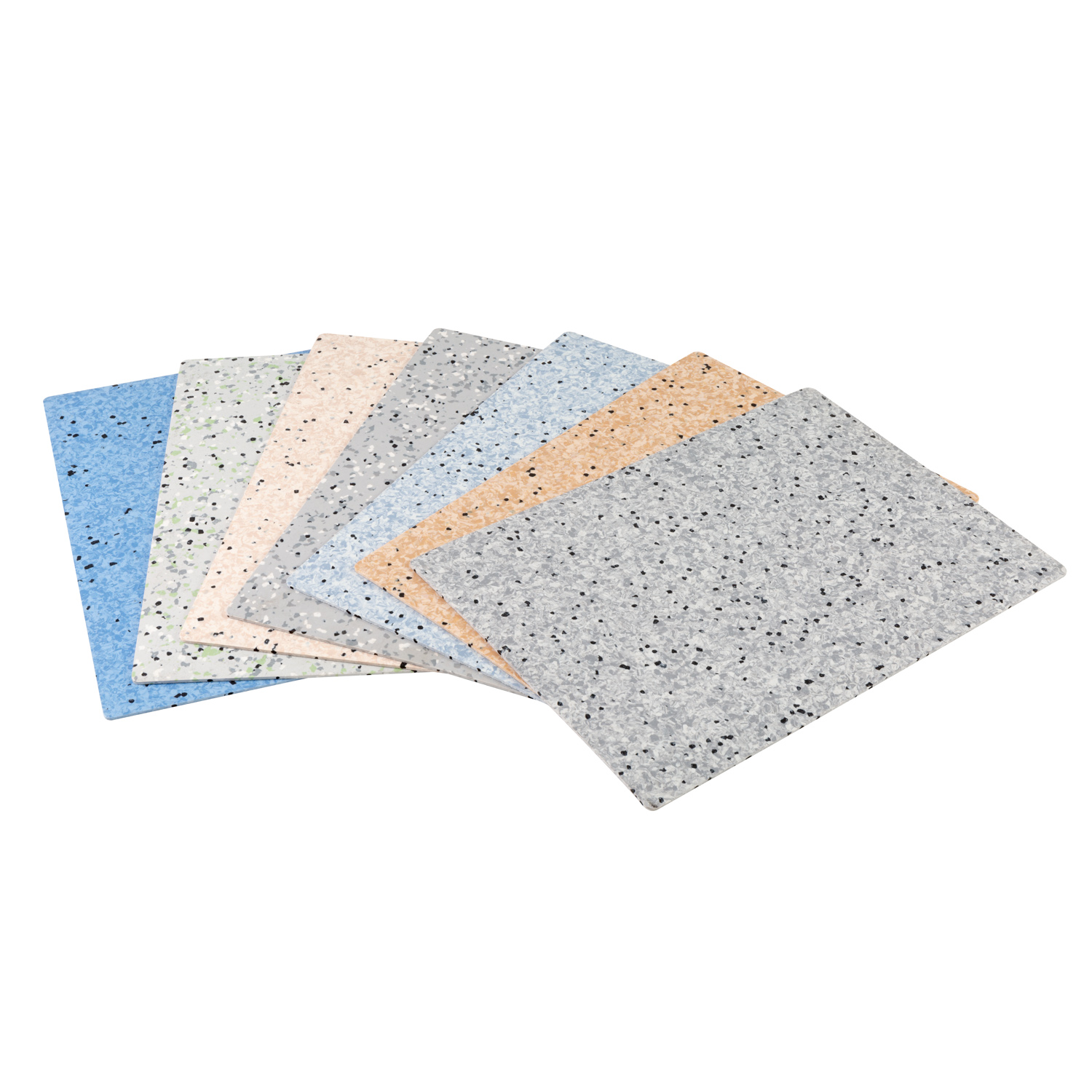
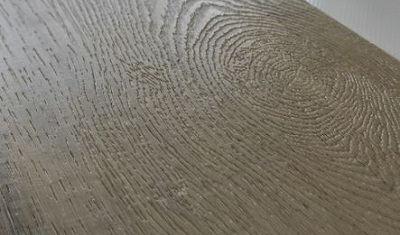
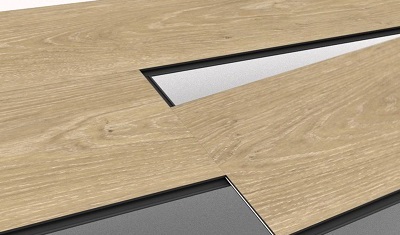
These photographs and diagrams are hosted on the 3C-Floor domain. They illustrate what the buyer should inspect; they are not thermal-test photographs and do not prove a temperature rating.


08 / Procurement control
Country, building use, residential/commercial traffic, sunlit glazing, heated or unheated occupancy, expected peak/minimum temperatures and cleaning regime.
Overall thickness, wear layer, size, click profile, décor, surface finish and IXPE/EVA or other approved backing. Clarify whether pad thickness is included.
Approved sample, installation manual, temperature limits, heat-related test reports, tolerances, cartons, label claims, destination market and repeat-order revision.
3C-Floor supplies SPC for OEM, wholesale and project procurement. Explore the wholesale SPC supply program, then request a model-specific quote rather than treating every rigid-core flooring construction as interchangeable.
Frequently asked questions
There is no single temperature rating for all SPC floors. The acceptable conditions depend on the exact product and whether the temperature refers to the room, the floor surface, transport, or testing. 3C-Floor's published click-floor installation guide limits the heated floor surface to 27°C for the product described; obtain model-specific written limits before installation.
Some SPC flooring can be installed over approved hydronic underfloor heating, subject to the product's installation rules and surface-temperature limit. 3C-Floor's published click-floor guide describes hydronic heating with a floor-surface limit of 27°C and excludes electric heating for the product covered by that guide. Confirm approval for the exact SKU and heating assembly in writing.
No. SPC is comparatively dimensionally stable in suitable indoor conditions, but excessive heat can still cause movement or surface damage. A heating limit is not a fire-reaction rating, and neither should be assumed without model-specific evidence.
Yes. SPC flooring can change dimension as temperature changes, although its rigid mineral-filled core helps control movement. Maintain the specified perimeter and transition gaps, protect it from overheating, and verify dimensional stability for the selected product.
Direct sunlight can raise plank-surface temperature above room temperature, increasing the risk of thermal movement and color change. Use solar-control measures and request written approval for sunrooms, large glazed areas, or other unusual exposures; do not assume standard indoor SPC is suitable.
Do not assume ordinary indoor SPC is approved for an unheated building or repeated freezing conditions. Determine the lowest and highest expected site temperatures, stabilize installation conditions according to the relevant manual, and obtain written model-specific approval.
Request model-specific dimensional-stability and curling results, with the test method, conditioning temperatures, duration, measured change, and specimen construction. 3C-Floor's technical reference identifies ISO 23999:2025 as a dimensional-stability and curling method; a standard name alone is not a passing test result.
Send the application, peak and minimum ambient and floor-surface temperatures, direct-sun exposure, heating-system type, floor construction, thickness, wear layer, backing, plank size, quantity, destination market, packaging and required test evidence. Ask 3C-Floor to confirm the exact SKU's permitted conditions and quotation terms.
Discuss a specification with 3C-Floor
Share your application, temperature exposures, heating method, thickness, wear layer, plank size, backing, quantity, destination market and test requirements. We can discuss the applicable product construction and the documentation needed for your purchasing decision.
All temperatures, compatibility conditions, MOQ, performance values and commercial terms require confirmation for the selected model and order.