What is the best thickness for SPC flooring?
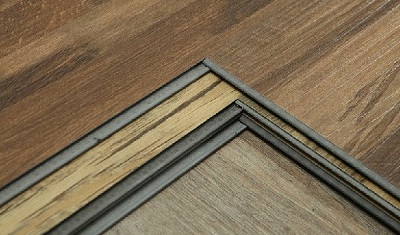
There is no single best thickness for every project. Around 4–5 mm is a common starting range for mainstream residential programs, while 5–6.5 mm constructions are often considered for rental, hospitality and commercial use. The final choice should also account for wear layer, backing, click profile, plank format, subfloor preparation and required transition height.
Is a 0.3 mm wear layer enough?
A 0.3 mm wear layer—roughly the 12 mil class—is commonly used for residential and lighter-use flooring programs. It can be a sensible choice when traffic, maintenance and product positioning are appropriate. Busy commercial entrances, retail paths or heavy-turnover applications often need a stronger surface specification.
Is a 0.5 mm wear layer the same as 20 mil?
They are close but not mathematically identical. A 0.5 mm wear layer is approximately 19.7 mil, and 20 mil is approximately 0.508 mm. In commercial communication they are often treated as the same class, but the purchase order should state the factory's actual measurement unit and tolerance.
Does thicker SPC flooring resist scratches better?
Not automatically. Overall thickness relates mainly to the plank construction and rigid core. Scratch and abrasion performance depend more directly on the wear layer, UV finish, surface texture, maintenance and exposure to grit or sharp objects. A thicker core with a light wear layer is not the same as a commercial wear-surface system.
Should commercial SPC flooring use a 0.5 mm or 0.7 mm wear layer?
A 0.5 mm wear layer is a common commercial starting point, while 0.7 mm may be selected for higher-traffic or premium specifications. The decision should reflect actual footfall, entrance conditions, chair movement, cleaning equipment, warranty strategy and local project requirements rather than a thickness number alone.
Does attached underlayment count in the total thickness?
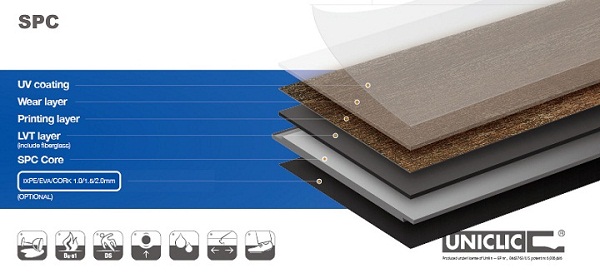
Suppliers may present construction thickness in different ways. Some state the plank plus attached pad as one total; others list the rigid plank and backing separately. Ask for a written layer breakdown—for example, core construction plus 1.0 mm IXPE—so quotations can be compared correctly.
What should importers check on SPC flooring samples?
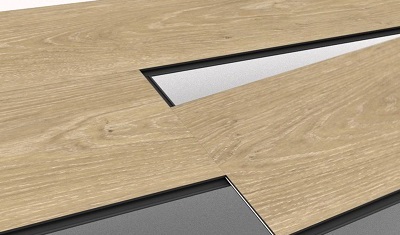
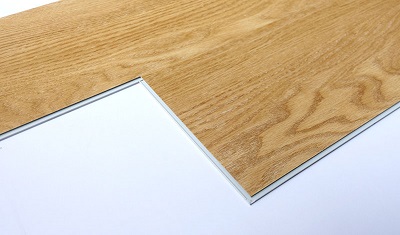
Check several planks, not only one display piece. Compare color movement, gloss, embossing, wear-layer statement, cross-section, total thickness, backing density, bevel, edge machining, click engagement, plank flatness, carton information and the match between the approved sample and quotation.