- 0086 13321818576 (Steven Lee)
- info@3c-floor.com
SPC flooring is usually the more practical choice for water-prone rooms, high-traffic projects, fast renovations and controlled maintenance, while hardwood remains the stronger choice when genuine timber character and future refinishing are the priority. For importers, distributors, contractors and private-label brands, the real decision is not simply “vinyl or wood” — it is which construction best matches moisture risk, traffic, installation method, target selling price, acoustic expectations and the customer’s definition of premium flooring.
3C-Floor supplies wood-look SPC rigid core flooring with configurable wear layers, surfaces, backing and packaging for residential, commercial and OEM flooring programs.

Choose SPC flooring when the project needs better moisture tolerance, predictable wood-look visuals, click-lock installation, low routine maintenance and a specification that can be repeated across apartments, hotel rooms, stores or distributor collections. Choose hardwood when the design brief specifically values a genuine wood surface, natural plank-to-plank variation and the ability to sand or refinish the floor later.
“Rigid core vs wood” is therefore a materials decision: SPC uses a dense mineral-polymer core under a printed wear surface, while hardwood relies on real timber at the surface and, for solid hardwood, throughout the plank. Engineered hardwood is a third case: it still has a real wood wear surface, but its layered construction can be more dimensionally stable than solid wood.
Water exposure, maintenance, renovation speed, commercial consistency, pet/tenant use and broad project deployment.
Authentic timber feel, unique grain, traditional premium positioning and refinishing potential.
This table focuses on the issues buyers actually have to specify. “Hardwood” includes solid wood and, where noted, engineered hardwood. Exact performance still depends on the individual product construction and installation conditions.
| Decision factor | SPC rigid core flooring | Hardwood flooring | Typical edge |
|---|---|---|---|
| Moisture exposure | Rigid mineral-polymer core is selected for water-prone interior areas; spills do not make the core swell like wood. | Real wood is hygroscopic and can react to moisture with movement, cupping or swelling; engineered wood is more stable than many solid wood constructions but still uses wood layers. | SPC |
| Natural material authenticity | Printed wood visual with embossed or EIR surface can be highly realistic, but grain repeats are possible. | Every real wood plank has natural grain, color and character variation. | Hardwood |
| Daily scratch / stain management | Protected by a factory wear layer and surface coating; performance depends strongly on wear-layer specification and finish. | Finish and wood species affect scratch and dent resistance; marks can often be repaired or refinished later. | Application-dependent |
| Dent / point-load behavior | Dense rigid core feels firm and resists normal indentation, but weak subfloors or poor locking can still cause damage. | Hardness varies substantially by species and construction; softer woods dent more easily. | Specification-dependent |
| Installation speed | Commonly installed as a click-lock floating floor after correct subfloor preparation. | Solid wood may be nailed or glued; engineered wood may be glued, nailed or floated depending on construction. | SPC for fast renovation |
| Subfloor demands | Needs a flat, stable, clean substrate so the rigid click joints are not overstressed. See the SPC click-lock installation guide. | Requirements vary with nail-down, glue-down or floating systems; moisture management remains important. | No universal winner |
| Underfoot feel | Dense and firm; attached pad can change sound and comfort but does not make SPC feel identical to timber. | Often perceived as warmer and more natural underfoot, especially over wood subfloors. | Hardwood for natural feel |
| Acoustic planning | Backing selection and building system matter. Review compatible flooring underlayment options rather than assuming all attached pads perform the same. | Sound depends on plank construction, substrate and installation method; real wood is not automatically quiet in multi-story buildings. | Assembly-dependent |
| Maintenance | Routine sweeping/vacuuming and suitable damp cleaning; no sanding or refinishing. | Cleaning is usually more moisture-sensitive; surface refinishing may be needed or desired during the floor’s life. | SPC for low routine maintenance |
| Repair strategy | Local damage is normally handled by plank replacement if the installation allows access. | Can be repaired locally and many hardwood constructions can be sanded/refinished, depending on usable wood thickness. | Hardwood for refinishing |
| Large project consistency | Printed décor, plank dimensions and packaged specifications can be controlled for repeatable project or distribution programs. | Natural variation is part of the product; species, grade, stain and milling must be tightly managed across batches. | SPC for visual consistency |
| Premium positioning | Can create premium visuals through EIR, matte surfaces, longer/wider planks and coordinated décor programs. | Real timber has a distinct premium-material story that printed flooring cannot fully replace. | Hardwood for real-wood positioning |
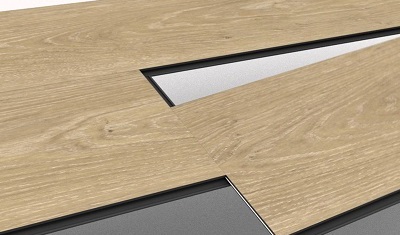
SPC flooring is a multilayer floor. A transparent wear surface protects a decorative film, while the rigid SPC core supplies most of the plank’s stiffness and dimensional behavior. Optional IXPE or EVA backing can be added beneath the core. The layer arrangement can be reviewed in 3C-Floor’s SPC flooring structure guide.
Hardwood is different because the visible surface is real wood. Solid hardwood is timber through the plank. Engineered hardwood bonds a real wood wear layer to a multi-ply or composite base, so it should not be treated exactly the same as solid wood in a specification.

Frequent spills and cleaning make SPC a practical choice. Installation details around cabinets, thresholds and perimeter expansion still matter.
SPC is generally favored because the core is not wood-based. Water can still migrate below a floating floor, so substrate moisture and leak management cannot be ignored.
Repeatable décor, faster turnover, simple maintenance and replaceable planks favor SPC for multi-unit programs.
SPC often suits high-use interiors where downtime and cleaning cycles matter. Review commercial SPC flooring specification options.
Hardwood can be the stronger fit when authentic timber is central to the interior concept and moisture risk is controlled.
Hardwood carries a genuine-material story and unique grain variation. Premium EIR SPC can imitate the visual, but not the material itself.
Click-lock rigid core is often selected to reduce installation complexity and project downtime, subject to subfloor flatness and doorway height.
SPC lets distributors build coordinated oak/walnut programs with controlled colors, surfaces, wear layers and packaging across a market range.
Material prices vary by wood species, SPC construction, décor, market, quantity and freight. A useful B2B comparison therefore looks at the cost drivers rather than publishing a generic price that may be wrong for the next order.
SPC is typically easier to position across entry, standard and premium programs by adjusting thickness, wear layer, surface and backing. Hardwood cost is strongly influenced by species, grade, veneer/solid construction and finish.
Click-lock SPC can reduce site time in suitable projects. Hardwood labor varies significantly between floating, glue-down and nail-down systems.
Printed SPC décor can simplify repeat color planning, while natural wood grading and variation may require different visual blending on site. Repair methods also differ.
SPC generally avoids refinishing. Hardwood may justify higher lifecycle spending when the project values refinishing and retention of a genuine wood surface.
For buyers selling SPC as a practical hardwood alternative, surface realism matters almost as much as the rigid core. The specification should be built around the target customer, not simply the thickest available plank.
Choose wood visuals that fit the target market: clean European oak, warm natural oak, walnut or rustic character. Review full-board repeats, not only one small sample.
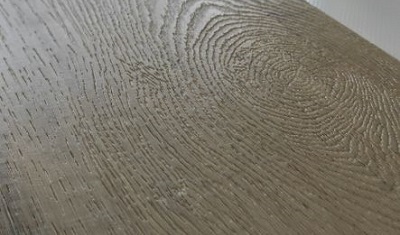
EIR, embossed wood grain and controlled matte levels help printed flooring look less synthetic. Ask for the surface sample under both daylight and directional indoor lighting.
Longer or wider wood-look planks can support a premium hardwood aesthetic, but the click profile, core stiffness, package weight and installation plan must remain coherent.
Wear layer should be selected for the actual traffic and channel. Do not overspecify solely for marketing; do not underspecify a rental or commercial program to save a small amount.
IXPE or EVA backing can improve the installed system’s sound and handling. Acoustic results depend on the complete floor/ceiling assembly, not merely the presence of a pad.
Keep a signed or otherwise approved reference for décor, surface, thickness, edge, backing and packaging so repeat orders are checked against the same target.
For manufacturing-focused programs, review 3C-Floor SPC flooring manufacturing and OEM capabilities.

Total SPC thickness affects the overall construction, stiffness, click profile and installed height. Wear-layer thickness affects the sacrificial transparent surface above the décor. These are related but different specifications.
A thick SPC plank with an unsuitable wear layer can still be a poor fit for heavy traffic. Conversely, adding wear layer without checking click quality, substrate flatness, backing and installation conditions does not guarantee a trouble-free project.
Overall thickness: confirm by program Wear layer: confirm by traffic Surface: EIR / embossed / matte options Backing: IXPE / EVA options Size: project / market dependent
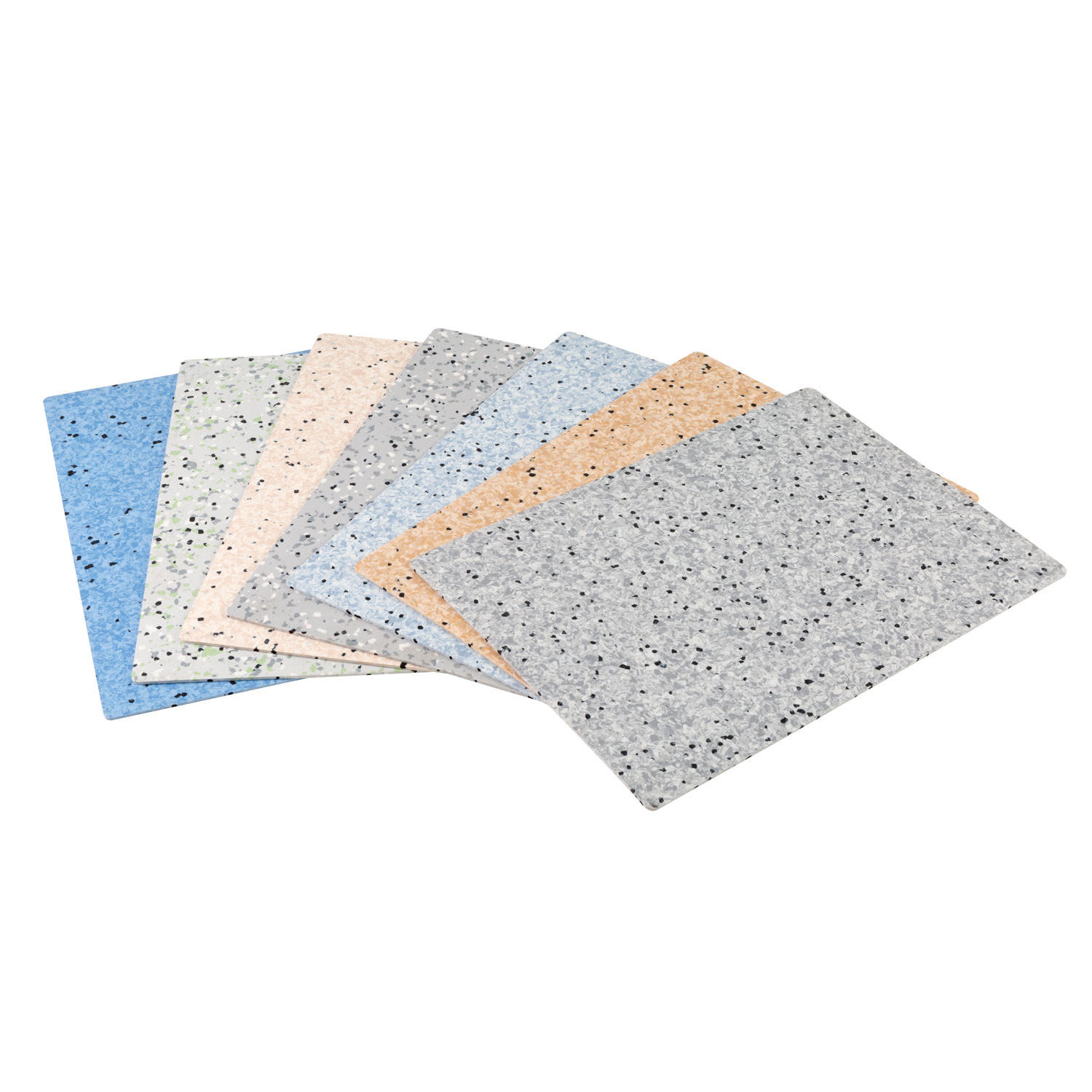
All images below use 3C-Floor website assets and show the product as planks, structure and installation detail rather than relying on generic stock photography.


A sample board can look similar to timber, but buyers still need to compare core, wear layer, locking, backing, dimensions and substrate requirements.
Solid hardwood and engineered hardwood have different construction. A fair comparison should state which wood system is being evaluated.
SPC planks may tolerate water, but perimeter details, transitions, subfloor moisture and water trapped underneath the floor still matter.
Thickness is not a substitute for wear layer, locking quality, flatness, surface finish or application-specific design.
Keep approved references for décor, gloss, embossing, backing, packaging and plank dimensions so repeat orders can be checked consistently.
Hardwood and SPC sound and feel different. Mock up the chosen plank, pad and subfloor assembly when acoustic or premium tactile expectations are important.
A useful RFQ lets 3C-Floor compare the right SPC construction against the intended hardwood position instead of quoting an arbitrary plank.
Send the room type, traffic level, plank size, wear layer, surface, backing, quantity, target market and packaging requirements. 3C-Floor can then discuss the SPC construction that fits the project rather than treating every hardwood alternative as the same product.
Request a Flooring QuoteThese links are verified 3C-Floor pages and lead to the product, structure, installation and commercial topics most closely connected to this comparison.
Direct answers to the questions buyers and end users ask when comparing rigid core flooring with real wood.
SPC is usually better for moisture-prone rooms, high-traffic interiors, fast renovation and low routine maintenance. Hardwood is better when genuine timber, natural variation and refinishing are central to the design brief. Neither is universally “better”; the room and buying objective determine the answer.
Rigid core SPC is a multilayer vinyl floor built around a dense mineral-polymer core, while hardwood uses real timber at the visible surface. Solid hardwood is wood through the plank; engineered hardwood uses a real wood top layer over a layered base. This material difference drives moisture behavior, repair methods and visual variation.
Yes, high-quality SPC can look very close to wood through high-resolution décor film, matte finishes and embossed or EIR textures. However, genuine hardwood still has non-repeating natural grain and material depth that printed flooring cannot fully duplicate.
SPC is generally the safer choice for kitchens, bathrooms and basements. The rigid core is not wood-based and is commonly selected for water-prone interiors. Correct subfloor preparation, perimeter details and moisture management still matter because a waterproof plank does not make the entire room assembly waterproof.
SPC usually feels firmer because of its dense rigid core. An attached pad can change acoustics and underfoot response, but it will not turn SPC into real timber. When tactile comfort is a top requirement, compare installed samples rather than relying only on catalog descriptions.
Yes. Solid hardwood and some engineered hardwood constructions can be sanded and refinished if enough usable wood remains. SPC has a factory wear layer over a printed décor; serious local damage is normally handled by replacing the plank instead of sanding it.
Start with overall thickness, wear layer, plank size, surface texture, click profile, backing, application and approved décor sample. Then confirm packaging, labeling, quantity, repeat-order control and destination requirements. The specification should reflect the target market instead of simply choosing the thickest plank.
Yes. 3C-Floor supports OEM and private-label SPC flooring programs with configurable wood-look colors, surfaces, dimensions, wear layers, backing and packaging according to project and market needs. Final details should be confirmed through the quotation and sample-approval process.
Tell 3C-Floor what the customer is trying to achieve — waterproof renovation, rental durability, commercial wood look, premium EIR design, acoustic backing or private-label distribution. The quotation can then be built around the actual use case, not a generic SPC SKU.
Suggested page URL / canonical: https://www.3c-floor.com/spc-flooring-vs-hardwood.html