- 0086 13321818576 (Steven Lee)
- info@3c-floor.com
Choosing the right vinyl flooring is no longer a simple decision. As modern construction demands durability, waterproof performance, and long-term value, two options dominate global searches and professional specifications: SPC flooring and LVP (Luxury Vinyl Plank).
This in-depth guide from 3c-floor explains the real differences between SPC flooring vs LVP, helping homeowners, contractors, designers, and distributors make an informed choice.
SPC flooring (Stone Plastic Composite) is a rigid core vinyl flooring engineered with a limestone-based core. This structure makes SPC one of the most stable and durable flooring solutions on the market.
Due to its stone-plastic core, SPC flooring resists expansion and contraction, even in extreme temperature changes.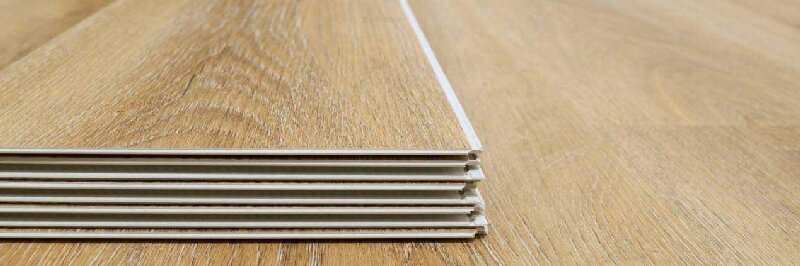
LVP (Luxury Vinyl Plank) is a flexible vinyl flooring designed to mimic hardwood while offering waterproof properties. Unlike SPC, LVP has a softer, PVC-based core.
LVP is widely used in residential applications where comfort underfoot and cost efficiency are priorities.
| Comparison Factor | SPC Flooring | LVP Flooring |
|---|---|---|
| Core Type | Rigid stone-plastic composite | Flexible PVC core |
| Stability | Extremely stable | Moderate stability |
| Waterproof | 100% waterproof | 100% waterproof |
| Thickness | 4–7 mm | 2–6 mm |
| Comfort | Firm underfoot | Softer and warmer |
| Commercial Use | Highly suitable | Limited |
Durability is one of the most searched factors when comparing SPC flooring vs LVP. SPC’s rigid core makes it resistant to:
LVP, while durable, may show compression marks under heavy loads and is more sensitive to subfloor conditions.
Both SPC flooring and LVP are 100% waterproof, making them suitable for:
However, SPC flooring’s rigid core prevents swelling and deformation over time, especially in commercial or high-humidity environments.
Both products typically use click-lock installation systems. However, SPC flooring is more forgiving on uneven subfloors, reducing installation preparation costs.
LVP generally has a lower initial cost, making it attractive for residential projects. SPC flooring may have a higher upfront price, but its long lifespan and reduced maintenance often result in better long-term value.
Modern SPC flooring manufactured by 3c-floor meets strict international environmental standards, including low VOC emissions and recyclable material composition.
Many LVP products also meet environmental regulations, but SPC’s mineral-based core often results in improved fire resistance and dimensional stability.
Learn more about our professional flooring solutions at https://www.3c-floor.com.
If your priority is long-term durability, stability, and commercial-grade performance, SPC flooring is the clear winner. If comfort and budget are more important, LVP remains a solid option.
Understanding the real difference between SPC flooring vs LVP ensures you invest in the right solution for your project.