Welcome to 3C-Floor — Your Trusted Manufacturer of SPC Flooring, WPC Vinyl Flooring, LVT Flooring & PVC Flooring Rolls.
  • 0086 13321818576 (Steven Lee)
News
Current Location:Home > News

SPC Flooring vs WPC Core Difference | Rigid Core Vinyl Flooring Guide

Update:2026/6/29 21:24:28 Views:0
SPC Flooring vs WPC Core Difference

Choose the Right Rigid Core Flooring Before You Order Containers

SPC and WPC are both waterproof vinyl flooring families, but the core structure changes how the floor feels, sounds, installs and performs after months of daily traffic. This guide helps importers, distributors, contractors and project buyers compare SPC flooring vs WPC core difference from a factory sourcing point of view.

3C-Floor supplies SPC flooring, WPC vinyl flooring, LVT flooring and PVC flooring rolls for residential, commercial and OEM programs. Instead of recommending one core for every order, we help match density, thickness, wear layer, attached pad, color design, carton label and project documentation to the real application.

SPC core: firm, dense, stable and ideal for busy traffic.
WPC core: thicker, warmer, softer and quieter underfoot.
For buyers: choose by room use, claim risk and market positioning.
For brands: OEM specifications and packaging can be customized.
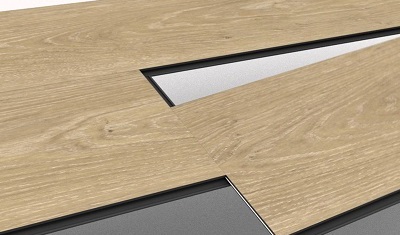
SPC rigid core flooring layer structure from 3C-Floor
SPC Rigid CoreStone-based structure for high dimensional stability and firm support.
WPC Comfort CoreFoamed wood-polymer structure for warmer, quieter residential walking comfort.

What the Core Really Changes

Many product sheets only show thickness, wear layer and color. The core is less visible, but it controls the flooring’s rigidity, sound behavior, indentation resistance and how confident the buyer can be in different site conditions.

SPC Core Flooring: Dense, Firm and Dimensionally Stable

SPC stands for Stone Plastic Composite or Stone Polymer Composite. Its core is generally made with mineral powder, PVC resin and stabilizers. The result is a compact rigid core vinyl plank that feels firm underfoot and helps the floor resist movement, indentation and daily commercial stress.

For project supply, this matters because claims often come from the wrong match between traffic level, subfloor quality, furniture load, temperature change and product structure. A dense SPC core is commonly preferred for apartments, hotels, retail stores, offices, classrooms, kitchens, bathrooms and rental upgrades where durability and reorder consistency matter.

High trafficMoisture-prone roomsFirm stepCommercial programs

WPC Core Flooring: Thicker, Softer and More Acoustic

WPC stands for Wood Plastic Composite or Wood Polymer Composite. Its core is usually lighter and more cushioned because foaming technology is often used in the structure. Compared with SPC, WPC can feel warmer and quieter, which makes it attractive for bedrooms, living rooms, upper floors and residential projects where comfort is part of the selling point.

WPC is not simply a “soft version” of SPC. It is a different product positioning. Buyers who sell to homeowners, apartment renovation channels or premium residential stores may use WPC to create a thicker plank story, a quieter step and a more comfortable product experience.

Comfort feelSound absorptionPremium residentialWarmer underfoot

SPC vs WPC Flooring Core Comparison for Buyers

Use this table when building a product line, quoting a project or explaining the difference to distributors and contractors.

Buying Question SPC Flooring Core WPC Flooring Core 3C-Floor Recommendation
Core composition Stone-plastic composite core with mineral filler, PVC and stabilizers. Wood-plastic or wood-polymer composite core, often with a foamed structure. Request the core formula direction, density range and target application before confirming price.
Density and rigidity Higher density, firmer walking feel and stronger resistance against dents and heavy traffic. Lower density than SPC, with more cushioning and a more forgiving step. Choose SPC when stability and traffic resistance are the first priorities.
Comfort and warmth Firm underfoot; comfort can be improved with attached IXPE/EVA pad. Usually warmer and softer because of the thicker cushioned core. Choose WPC for residential comfort programs where sound and feel help sell the product.
Sound performance Dense structure may transmit more sound unless an acoustic backing is added. Better natural sound absorption in many residential conditions. For apartments and upper floors, discuss attached pad and underlayment together with the core choice.
Thickness direction Often thinner than WPC at similar product positioning, while still delivering strong rigidity. Often thicker, which can support a premium plank appearance and softer feel. Do not buy by thickness alone. Compare core density, wear layer, locking strength and final use.
Moisture-prone areas Excellent choice for kitchens, bathrooms, basements, laundry rooms and commercial wet cleaning areas when installed correctly. Also waterproof in many product systems, but the softer core should be matched carefully to site conditions. For humid or high-traffic areas, SPC is usually the safer rigid core vinyl direction.
Commercial sourcing Strong fit for hospitality corridors, offices, stores, schools and rental properties. Best for comfort-led residential and light commercial spaces. Send use environment, area size and traffic level to avoid over-specification or under-specification.

How to Select Between SPC and WPC for Real Projects

The best answer is not “SPC is better” or “WPC is better.” The correct answer depends on application, claim risk, installation method and the buying channel.

1

Start with traffic and furniture load

Retail stores, hotel corridors, offices, rental units and classrooms need a flooring core that can handle repeated foot traffic, chairs, luggage and cleaning. SPC is usually the first recommendation when the buyer wants a firm, dent-resistant rigid core.

2

Check the acoustic requirement

Bedrooms, upstairs rooms, multi-family housing and quiet residential spaces often need better sound control. WPC or SPC with attached acoustic backing can both be considered, but the final choice should match the floor plan and local installation standard.

3

Confirm subfloor condition

Rigid core flooring still needs a clean, flat and stable subfloor. WPC can feel more forgiving because it is thicker and cushioned, while SPC offers stronger dimensional stability. Poor preparation can damage either product.

4

Balance thickness and wear layer

A thick plank is not always a stronger plank. For commercial orders, wear layer, core density, click system, surface treatment and attached pad must be reviewed together. 3C-Floor can help buyers avoid paying for the wrong specification.

5

Think about export packaging

Importers need reliable cartons, labels, pallet plans, loading control and reorder stability. A beautiful sample is not enough if the container program cannot maintain shade, size, locking and packing consistency.

6

Match the sales story

SPC sells a strong, stable and waterproof rigid core story. WPC sells comfort, warmth and quieter walking. The right core can help distributors explain value clearly instead of competing only on price.

3C-Floor SPC rigid core vinyl flooring production and product display
Factory Product Program

SPC and WPC Vinyl Flooring Supply from 3C-Floor

3C-Floor supports buyers who need more than a catalog. We help compare SPC core flooring and WPC core vinyl flooring according to real end use, then build a workable specification for sampling, quotation, trial order and container shipment.

Our team can discuss product structure, surface texture, wood design, wear layer, total thickness, attached IXPE or EVA pad, click system, carton artwork, barcode labels, OEM branding and project documentation. This makes sourcing easier for importers, wholesalers, flooring brands, contractors, apartment developers and commercial renovation buyers.

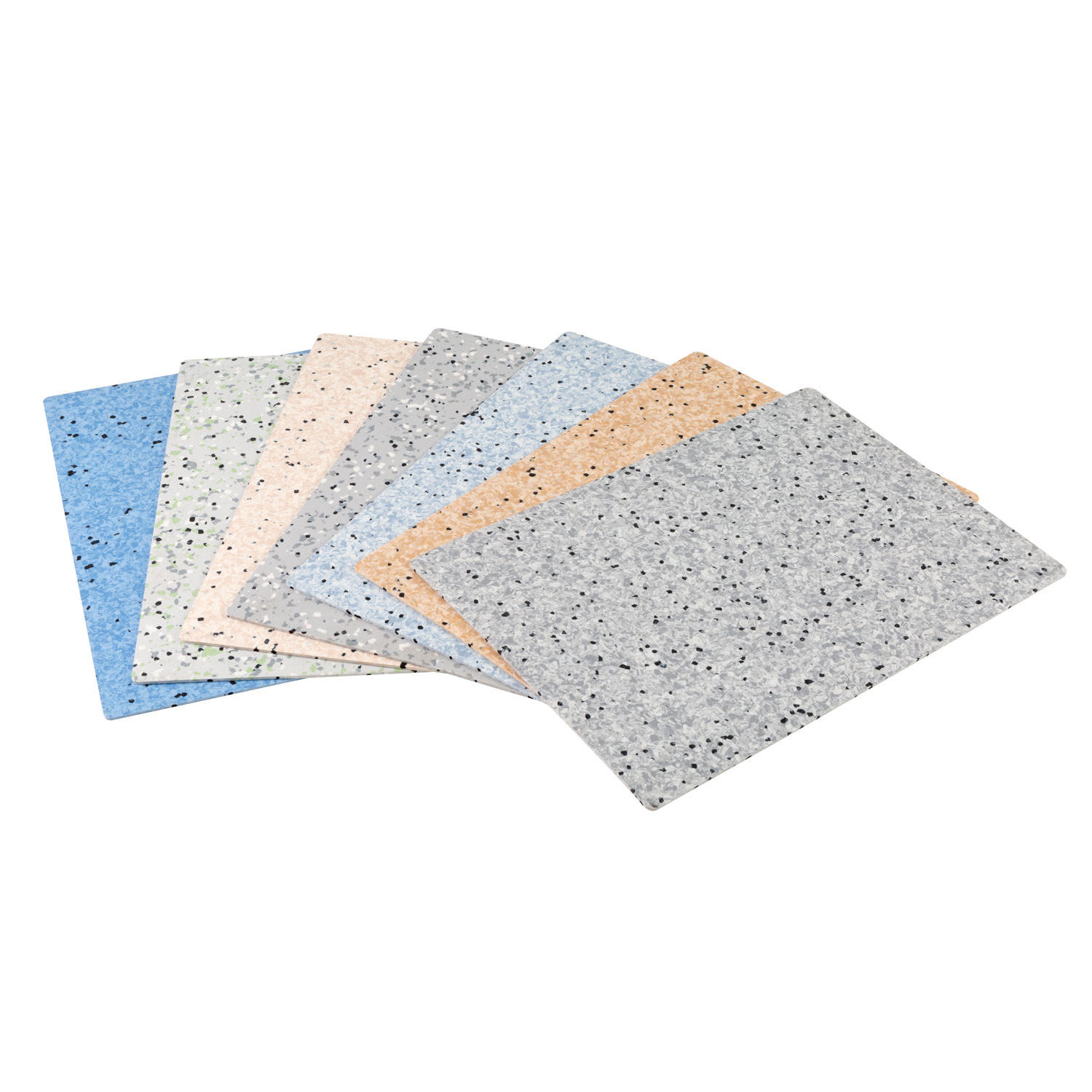
Product TypeSPC rigid core vinyl plank, WPC vinyl plank, LVT flooring and PVC flooring roll.
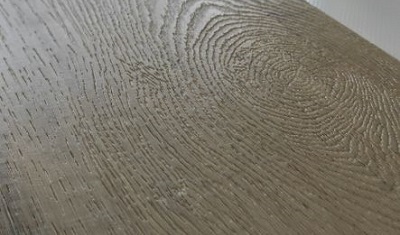
Surface DirectionWood grain, stone look, EIR texture, matte finish and market-specific designs.
Performance OptionsWear layer, UV coating, attached pad, click profile and waterproof construction.
Buyer SupportOEM packaging, sample matching, bulk order planning, inspection and export service.

Recommended Core by Application

Use these practical guidelines before requesting samples. Final specifications should be confirmed with drawings, project traffic, local standards and installation conditions.

Apartments and rental unitsSPC is often selected for repeatable value, waterproof practicality and resistance to tenant turnover wear.
Hotels and corridorsSPC with proper wear layer and attached pad can provide a balanced solution for luggage, cleaning and high traffic.
Bedrooms and upstairs roomsWPC or acoustic-backed SPC can help improve quietness and underfoot comfort.
Retail and officesSPC is usually the stronger core direction where foot traffic, rolling chairs and furniture loads are important.
Kitchens and bathroomsSPC rigid core flooring is a common choice for moisture-prone interiors when installed with correct perimeter details.
Residential showroomsWPC helps create a comfort-led story with thicker plank feel and warmer walking experience.
Schools and public spacesSPC is preferred where stability, cleaning convenience and budget control are important.
Private-label collectionsBoth cores can work. Choose based on target price, product story, warranty direction and customer expectations.

FAQ: SPC Flooring vs WPC Core Difference

Short answers for importers, contractors and flooring brands preparing samples or specifications.

What is the main SPC flooring vs WPC core difference?

SPC uses a denser stone-plastic or stone-polymer rigid core. WPC uses a wood-plastic or wood-polymer core that is usually thicker and more cushioned. SPC is typically chosen for stability and dent resistance, while WPC is often chosen for comfort and quieter walking.

Is SPC flooring better than WPC flooring?

Not always. SPC is usually better for heavy traffic, commercial interiors, rental properties and moisture-prone rooms. WPC can be better for comfort-focused residential spaces, bedrooms and upstairs areas where acoustic feel is a stronger selling point.

Can both SPC and WPC flooring be waterproof?

Yes, many SPC and WPC flooring systems are designed as waterproof vinyl flooring. However, waterproof product construction does not remove the need for correct subfloor preparation, expansion gap, trims, transitions and maintenance.

Which core is more suitable for commercial projects?

SPC is usually the safer starting point for commercial projects because of its higher density, firm support and dimensional stability. The final specification should also consider wear layer, surface treatment, attached pad and installation environment.

Which core feels quieter underfoot?

WPC often feels quieter because of its cushioned core structure. SPC can also be improved with IXPE, EVA or other acoustic backing. For apartments and upper floors, buyers should compare full floor system performance rather than core name alone.

Can 3C-Floor provide OEM SPC and WPC flooring?

Yes. 3C-Floor can support OEM product structure, decor selection, thickness direction, wear layer, attached pad, carton artwork, labels and export order planning for suitable bulk programs.

Need Help Choosing SPC or WPC for Your Market?

Send your target application, plank size, thickness, wear layer, required backing, order quantity, packaging plan and target price. 3C-Floor will help you build a practical rigid core flooring specification for samples, quotation and container supply.

Suggested URL: https://www.3c-floor.com/spc-flooring-vs-wpc-core-difference.html

Landlord hotline:
+86-021-54361792
Email:
info@3c-floor.com