Retail, Corridors & Busy Circulation
Begin with SPC when repeated traffic, luggage, concentrated loads or stronger rigid-core positioning matter. Confirm the wear layer and entrance-maintenance plan separately.



WPC and SPC are both rigid-core vinyl flooring, but they solve different purchasing priorities. SPC uses a denser mineral-filled core and is usually selected when rigidity, indentation resistance and dimensional stability lead the brief. WPC uses a foamed composite core and is usually selected when comfort, warmth and acoustic softness matter more. For importers, distributors, private-label brands and project buyers, the best rigid core flooring is not a universal winner—it is the construction that matches the traffic, subfloor, load, installation method, product position and end-user expectation.
For a comparable quotation, prepare your target thickness, wear layer, backing, plank size, surface, quantity, target market and destination port.

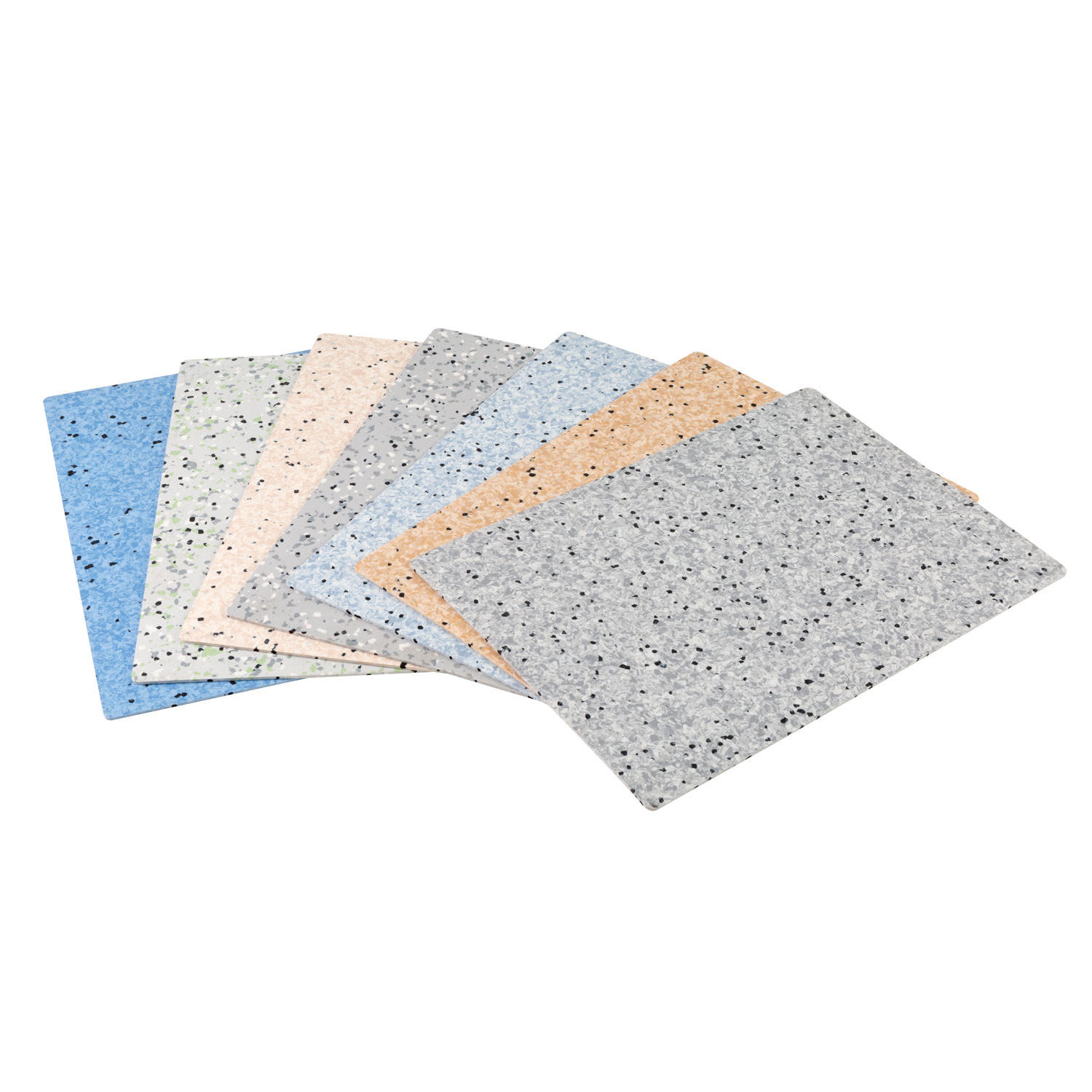
 3C-Floor real product images
A procurement team should decide what the installed floor must do before deciding what the core should be called. The fastest selection method is to rank rigidity, point-load exposure, walking comfort, acoustics, substrate condition, installation system and target market positioning.
SPC flooring is the firmer rigid-core direction. Its denser mineral-filled core is generally chosen for stronger rigidity, higher indentation resistance and more demanding traffic. WPC flooring is the comfort-led rigid-core direction. Its foamed composite core is generally thicker and more forgiving underfoot, which can be useful for residential, hospitality and premium renovation programs.
The wear surface remains a separate decision. A thicker WPC plank is not automatically more wear-resistant than a thinner SPC plank, because wear layer, coating, surface design, cleaning routine and traffic control the visible surface over time.
For current product directions, buyers can compare 3C-Floor's SPC rigid core flooring and WPC flooring manufacturing options.
This table separates core behavior from the other variables a buyer must still specify. It is more useful than a simple “which is better” verdict because the same building can need different flooring structures in different zones.
| Buying Factor | SPC Flooring | WPC Flooring | What the Buyer Should Confirm |
|---|---|---|---|
| Core character | Dense, mineral-filled rigid core | Foamed composite rigid core | Approved cross-section and complete product construction |
| Underfoot feel | Firmer and more solid | Softer, warmer and more forgiving | Attached pad, density, subfloor and finished system feel |
| Indentation direction | Usually stronger starting point for concentrated loads | More comfort-oriented; review point loads carefully | Furniture, chair casters, carts, rolling loads and protection requirements |
| Acoustic positioning | Often improved with compatible attached backing | Foamed core naturally supports a softer acoustic story | Do not rely on generic dB claims; verify complete assembly data where required |
| Typical product build | Often slimmer because the core is denser | Often thicker because the core is foamed | Whether backing is included in the quoted total thickness |
| Traffic positioning | Strong for active residential and many commercial applications | Strong for residential, hospitality and selected light-commercial applications | Actual zone traffic, entrance grit, cleaning cycles and repeated loads |
| Subfloor planning | Rigid core can reduce telegraphing versus flexible LVT, but still needs a flat stable substrate | Thicker build can feel more forgiving, but still requires correct preparation | Flatness, moisture, movement, debris, transitions and underlayment rules |
| Wear resistance | Not determined by core name alone. Wear layer, coating, surface texture, grit control and maintenance must be specified separately. | Wear-layer thickness, surface finish and end-use traffic | |
| OEM / private label | Both can be developed with coordinated décor, surface, backing, click profile, labels and packaging subject to the approved program. | Freeze sample, written specification and packaging version before bulk release | |
| Best purchasing logic | Choose when harder rigid-core performance leads the brief | Choose when installed comfort and acoustic positioning lead the brief | Compare matched specifications rather than generic category names |
Buyer note: Published 3C-Floor pages currently show multiple SPC directions around 4mm, 5mm and 6mm and WPC program directions around roughly 5.5–8.0mm, but final thickness, backing and wear layer must be confirmed for the exact SKU. Do not treat category ranges as a substitute for a signed product specification.
Building names are too broad. A hotel guestroom and hotel corridor do not create the same load. A residential kitchen and a rental turnover unit do not create the same product risk. Match the floor to the zone.
Begin with SPC when repeated traffic, luggage, concentrated loads or stronger rigid-core positioning matter. Confirm the wear layer and entrance-maintenance plan separately.
WPC often deserves the first sample because quieter walking feel and underfoot comfort can improve the user experience. SPC remains viable when a project wants one rigid-core platform across multiple zones.
Both can work. Use SPC for tougher turnover, moving furniture and heavier circulation; use WPC when acoustic comfort and premium positioning are more important. Reorder control matters in multi-unit programs.
Both categories are commonly positioned as waterproof rigid-core flooring. Final suitability still depends on the complete product, joints, perimeter details, subfloor moisture and installation instructions.
Do not approve by sample appearance. Compare indentation resistance, joint support, backing, chair casters and repeated rolling exposure. SPC is often the safer starting direction.
WPC can create a thicker, warmer, quieter product story. SPC can reduce build-up and emphasize rigidity. Door clearances, transitions and existing-floor height should be checked before order approval.
“WPC vs SPC” is only one part of vinyl flooring selection. Traditional LVT can be the more practical commercial product when a project favors adhesive installation, low finished-floor height, replacement planning or a flexible product architecture.
Best starting point: comfort-led floating rigid-core programs.
Best starting point: rigidity-led floating rigid-core programs.
Best starting point: flexible specification and glue-down commercial work.
Explore 3C-Floor's LVT manufacturing and OEM options.
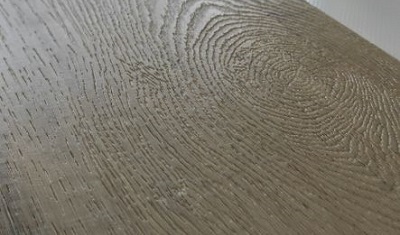
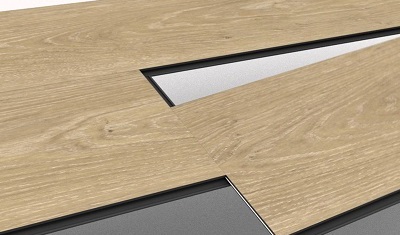
These images are hosted on the 3C-Floor website and are placed next to the purchasing questions they help explain: core structure, finished interiors, rigid plank edges and layer construction.


The best rigid core flooring is the one whose complete specification matches the commercial brief. Use this order to avoid choosing a product on décor or thickness alone.
Compare SPC or another system when the project contains high concentrated loads, intensive chair/caster traffic, demanding corridor use or an explicit requirement for a harder rigid-core construction.
Compare WPC when acoustic comfort, warmer feel and a more forgiving residential experience are central to the selling proposition. Compare LVT when glue-down construction or lower build-up is more important than a rigid core.
Review 3C-Floor's rigid core vinyl flooring supplier guide and its 4mm / 5mm / 6mm SPC selection page before building a product ladder.
Two quotations can use the same category name and still describe different floors. A professional WPC vs SPC sourcing comparison aligns the sample and written specification first.
Record total thickness, core thickness, wear layer and attached pad separately. State clearly whether the pad is included in the overall thickness.
Connect several planks, not just two. Check long and short edges, visible height difference, joint consistency and edge appearance.
Approve color, shade variation, gloss, emboss, EIR direction and bevel under realistic lighting. Screens are not final color references.
Confirm material, thickness, density direction and compatibility with the chosen core and click system. A thicker pad is not automatically a better pad.
Review furniture, chair casters, display fixtures, luggage and carts. The same wear layer can behave differently when core and backing support differ.
Do not use a thicker floor as a substitute for substrate preparation. Flatness, moisture, debris and movement affect click-joint performance.
For private-label programs, carton data, color code, size, plank count, barcode, label and installation insert must match the approved SKU.
Keep a coded reference sample and written product record. Future orders should be checked against that frozen baseline, not a broad name like “Oak WPC.”
A distributor does not have to choose one core for every customer. A better collection can assign clear jobs to WPC, SPC and LVT, then coordinate décor families so the range feels intentional instead of fragmented.
Build the higher-rigidity SKU around active residential, rental, retail, corridors and project zones where indentation and firmness are central to the brief.
Use coordinated colors with a warmer, softer and quieter rigid-core construction for bedrooms, guestrooms, premium residential and comfort-led dealer programs.
Add LVT where adhesive installation, low finished height or broad commercial replacement planning creates a better fit than a floating rigid core.
For a private-label WPC program, see OEM WPC Flooring Planning
A thicker plank does not automatically mean a stronger wear surface, better click joint or better fit for the traffic.
Core type affects structural behavior. Scratch and abrasion performance depend more directly on the wear surface, coating, grit and maintenance.
Waterproof product construction does not eliminate subfloor moisture, perimeter, plumbing leak, mold or building-envelope considerations.
Attached pad changes the complete plank. It should support the click system rather than being selected only as a marketing feature.
Install multiple connected planks before bulk approval. Joint fit, plank-to-plank color movement and surface continuity are visible only as a group.
Use the approved construction, décor code, backing, click profile and packaging version as the reorder identity.
The main difference is the rigid core. SPC uses a denser mineral-filled core that generally emphasizes rigidity, dimensional stability and indentation resistance. WPC uses a foamed composite core that generally emphasizes a warmer, quieter and more forgiving underfoot feel.
SPC is often the stronger starting point for busier commercial zones because its denser core is generally better suited to rigidity and concentrated loads. WPC can still fit hospitality, apartments and selected light-commercial zones when comfort and acoustics are more important. The exact approved SKU and real traffic conditions should control the decision.
WPC is often attractive for bedrooms and guestrooms because the foamed rigid core can provide a softer, warmer and quieter walking feel. SPC can also work, especially when the project wants a firmer floor or one standardized platform across multiple areas.
WPC is a rigid-core vinyl product. Traditional LVT is generally more flexible and can be specified as glue-down, loose-lay or selected click systems. WPC is useful when a floating rigid-core product with more underfoot comfort is the goal; LVT is useful when low build-up, adhesive installation or flexible commercial specification is preferred.
There is no universal best rigid core floor. SPC is often the better fit when rigidity, indentation resistance and active traffic lead the brief. WPC is often the better fit when acoustic comfort and underfoot feel lead the brief. Compare the complete plank specification, not only the core label.
No. Total thickness changes the product build, but visible service performance also depends on wear layer, coating, traffic, cleaning, installation, backing and click-joint quality. A properly specified thinner plank can be more suitable than a thicker but mismatched product.
3C-Floor's current product pages show OEM and private-label support across SPC and WPC, including planning for décor, surface, wear layer, backing, click system and packaging. Final options should be confirmed against the specific SKU and target market before production.
Send the target market, application, total thickness, wear layer, plank size, surface texture, backing, click profile, décor or color direction, estimated quantity, packaging needs, required documents and destination port. This allows a supplier to quote a comparable construction instead of a generic category price.
Instead of asking for “WPC price” and “SPC price” separately, send one structured requirement and ask 3C-Floor to build comparable options around the same application. That makes it easier to compare what actually changes when the core changes.