01
Footfall Sound Control
A resilient backing can reduce the sharp, hollow sound associated with hard floating floors and improve perceived acoustic quality in apartments, hotels and offices.



Source waterproof rigid core vinyl planks with IXPE, EVA or cork backing engineered around your market position, acoustic expectations, click-lock system, packaging and project conditions.
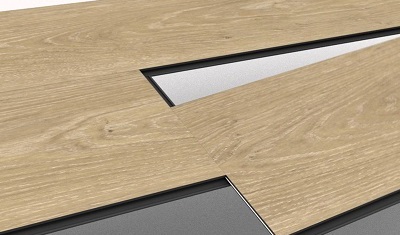
SPC flooring with underlayment is a rigid-core vinyl plank with an acoustic or comfort pad factory-bonded to the underside. The attached layer can simplify installation, reduce hollow footfall sound and improve walking feel, but it must be matched to the click profile, subfloor and moisture-control plan—not treated as a universal substitute for subfloor preparation.

The commercial value is not simply “extra foam.” A properly selected backing helps buyers create a more complete product with a clear installation story, a better perceived walking feel and fewer loose accessory decisions at the jobsite.
For importers and flooring brands, factory lamination also makes the backing part of the approved SKU. Material, color, thickness and adhesion can be recorded alongside the plank décor, wear layer and carton information. That creates a cleaner reference for samples, quotations, production checks and repeat orders.
SPC already contributes dimensional stability and waterproof rigid-core performance. The backing layer changes how the finished system sounds, feels, installs and is positioned in the market.
A resilient backing can reduce the sharp, hollow sound associated with hard floating floors and improve perceived acoustic quality in apartments, hotels and offices.
IXPE, EVA or cork adds a thin resilient interface below the rigid plank, producing a less harsh walking feel without turning the floor into a soft surface.
Factory-attached backing removes a separate roll-underlay step in compatible installations and helps simplify receiving, warehousing and jobsite material planning.
The pad provides a controlled interface between the rigid plank and prepared subfloor. It can help with very small surface texture variations but does not replace leveling.
Attached-pad SPC creates a visible good-better-best selling point for distributors and private-label brands competing beyond color and headline thickness.
Backing type, thickness and color can be approved together with the plank, reducing the risk that installers substitute an incompatible accessory after purchase.
There is no single “best” underlayment for every SPC product. Density, resilience, thickness, adhesion, sound expectations, click-joint tolerances and target price all matter. 3C-Floor helps match the backing to the complete flooring construction.
Cross-linked polyethylene is frequently chosen for premium click-lock SPC programs because it combines a clean appearance, resilient support, durability and acoustic positioning.

EVA offers a practical balance of softness, shock resistance and value. It is well suited to mainstream residential, dealer and project collections where comfort and price must work together.

Cork provides a distinct natural-material story and dense feel for selected premium collections. Moisture strategy and project conditions should be evaluated before specification.
Attached underlayment is only one part of SPC performance. The UV surface, wear layer, décor, rigid core, click profile and backing should be selected as a coordinated construction for the traffic level and sales promise.
Supports stain resistance, easier cleaning and surface protection.
Selected according to residential, rental, hospitality or commercial traffic.
Wood, stone and commercial visuals with matte, embossed or EIR directions.
Dense waterproof composite that provides dimensional stability and click support.
IXPE, EVA or cork selected for sound, feel, positioning and installation compatibility.

Use these ranges as a quotation and sample-planning framework rather than a fixed product sheet. Final dimensions, backing density, locking profile and test requirements are confirmed for the selected SKU.
| Program | Typical Construction | Attached Backing | Surface Direction | Best Fit |
|---|---|---|---|---|
| Value Residential | 4.5–5.0 mm total, 0.3 mm wear layer | 1.0 mm EVA or no pad | Matte wood grain | Rental renovation, apartments, entry retail |
| Mainstream Distributor | 5.0–5.5 mm total, 0.3–0.5 mm wear layer | 1.0–1.5 mm IXPE / EVA | Embossed oak, walnut, grey | Dealers, wholesalers, residential channels |
| Hospitality & Multi-Family | 5.5–6.5 mm total, 0.5 mm wear layer | 1.0–1.5 mm IXPE | Low-gloss embossed or EIR | Hotels, serviced apartments, upper floors |
| Office & Retail | 6.0–7.0 mm total, 0.5–0.7 mm wear layer | 1.0–2.0 mm project-matched pad | Commercial wood, concrete or stone | Offices, retail stores, corridors |
| Private Label Premium | 6.0–8.0 mm total, 0.5–0.7 mm wear layer | Custom IXPE / EVA / cork | EIR, deep emboss, custom color family | Brand collections and premium showrooms |
This tool gives your purchasing team a practical brief for initial discussion. Final product selection should be confirmed against actual traffic, subfloor, local requirements and approved samples.
A practical construction for homes, rental units and distributor stock where waterproof performance, easy installation and cost control are priorities.
A useful sample should show how the floor is built. Buyers should evaluate backing adhesion, pad uniformity, click-edge machining, total thickness, bevel appearance and surface texture before bulk approval.
For OEM programs, record the backing material, thickness, color and bonding direction in the approved specification. A photograph alone cannot confirm these details, so a cut plank or full plank is recommended for technical review.
SPC is rigid, and click joints need stable support. Depressions, high spots, loose tiles, debris and excessive moisture should be corrected before installation. A pad may soften very minor texture, but it is not a leveling compound.


The strongest specification is the one aligned with the real room, traffic, maintenance routine, acoustic expectation and sales channel.
Waterproof click flooring with a coordinated backing is attractive for kitchens, living rooms, basements and rental upgrades requiring a clean product package and fast installation.
IXPE-backed programs can support a quieter, more premium positioning for upper-floor units. Project acoustic criteria should be discussed before final construction is confirmed.
Wood-look SPC with attached backing combines straightforward maintenance, room-to-room design consistency and a more comfortable walking feel for hospitality interiors.
Commercial wear layers, stable click profiles and project-matched backing help support fit-out schedules, practical maintenance and modern wood or stone visuals.
Create good-better-best product levels with no-pad, EVA-backed and IXPE-backed constructions that are easier for dealers to explain and customers to compare.
Coordinate backing color and thickness with custom décor names, EIR texture, cartons, labels, sample boards and repeat-order references under your own brand.
A frequent buying mistake is assuming that more cushion is always better. Click-lock floors rely on controlled support. Too much compressibility can increase movement below the joints.
Follow the approved installation instructions. Do not automatically add another soft foam layer. Where concrete moisture control is needed, the solution may be a compatible vapor-control membrane rather than a second cushioning underlay.
Confirm permitted substrate, flatness tolerance, moisture testing, perimeter expansion, room-size limits and transition requirements for the selected click system.
Some buyers want more control over local acoustic products, continuous seam coverage or project-specific moisture systems. In those cases, SPC without attached backing may be paired with a compatible separate underlayment approved for rigid-core click flooring.
The plank supplier and underlayment supplier should agree on thickness, density and system compatibility before installation.
A successful order is not only a plank with a pad. The full construction, sample, visual, packaging and production reference must remain clear from quotation through repeat shipment.
Define buyer type, sales channel, project use, target price and expected order volume.
Select total thickness, wear layer, click profile, backing material and surface direction.
Check décor, embossing, edges, backing adhesion, pad uniformity and product labeling.
Control dimensions, surface, click machining, backing application and carton details.
Coordinate color ratios, cartons, pallets, loading records and repeat-SKU references.

3C-Floor supplies SPC, LVT, WPC, PVC flooring rolls and flooring underlayment. That broader product view helps buyers discuss the pad as part of the finished floor system rather than as an isolated accessory.
Send the target market, room type, total thickness, wear layer, backing preference, color direction, order quantity and destination. 3C-Floor can recommend a practical starting construction and prepare samples for approval.
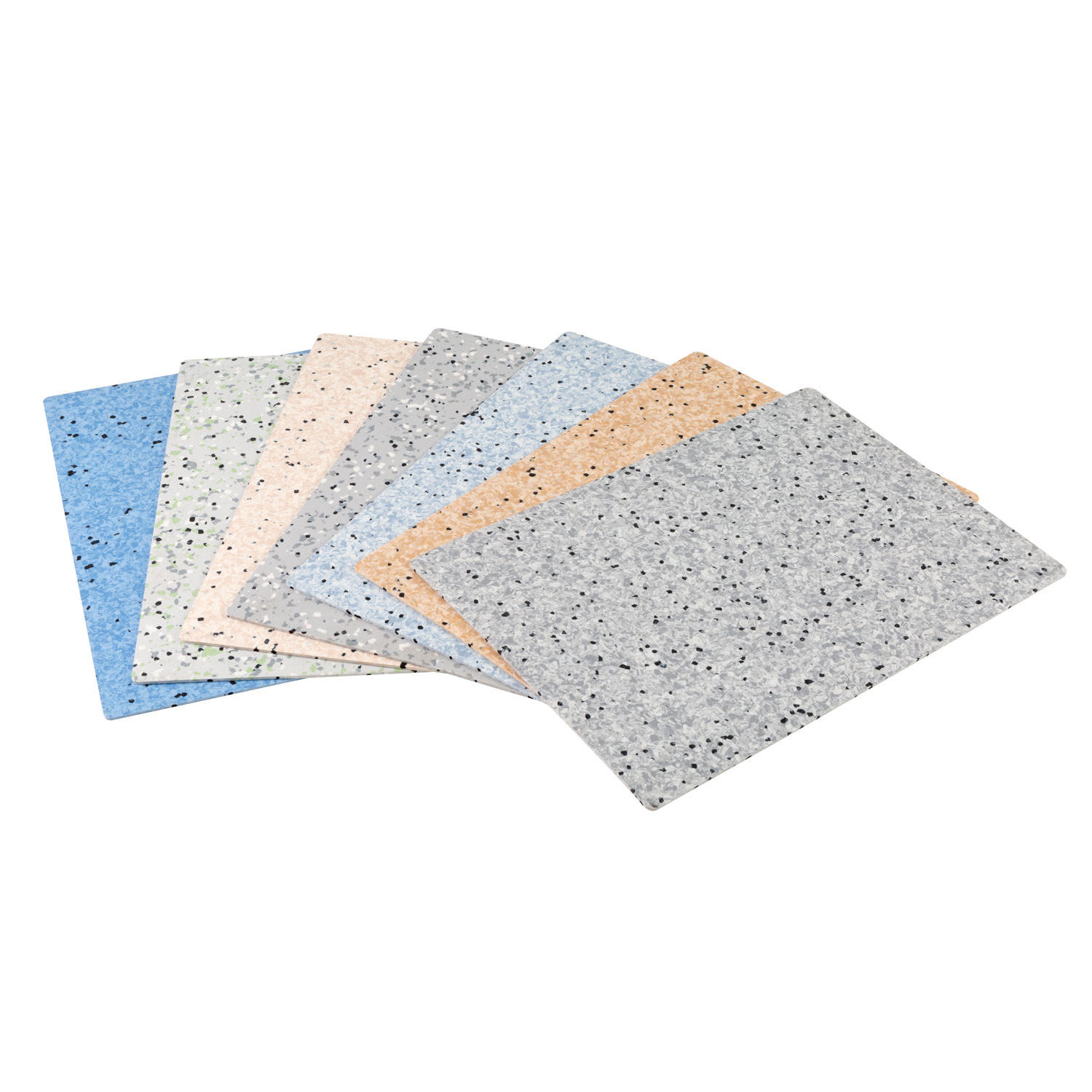
These six pages help buyers compare the base product, backing materials, factory capabilities, sample approval, quotation details and private-label development.
Explore rigid-core click flooring formats, structures and application options.
View collection → Backing materialsCompare IXPE, EVA, cork and other acoustic or moisture-control underlay programs.
Compare underlayment → Factory supplyReview specifications, OEM support, collection planning and export supply workflow.
See factory program → Product approvalPlan décor swatches, cut planks or full-plank samples for backing and click evaluation.
Build a sample brief → RFQ preparationLearn which construction, backing, packaging and order details create a comparable quote.
Prepare your RFQ → OEM brandingDevelop custom colors, backing, cartons, labels, sample boards and repeatable SKUs.
Plan a brand collection →Answers for importers, distributors, contractors, private-label brands and commercial project teams.
Tell 3C-Floor where the floor will be sold or installed, then share thickness, wear layer, backing, surface, colors, quantity, packaging and destination. We will help turn the brief into a workable product proposal.