01
Less Demolition
Where an existing tile floor is secure, flat and compatible, SPC can often be installed above it after preparation. That can reduce demolition dust, debris and closure time.



SPC flooring is usually the more flexible choice for fast interior renovation, warmer underfoot comfort, quieter occupied spaces and floating installation over a suitable prepared base. Ceramic tile remains stronger where maximum mineral-surface hardness, high heat tolerance, exterior exposure or a traditional wet-area tile system is the priority. For importers, developers and contractors, the real decision is not simply “vinyl plank vs ceramic” — it is installation risk, downtime, traffic, subfloor, comfort, service strategy and total project scope.

SPC is better when the project values renovation speed, low installation disruption, warmer foot feel, quieter walking sound, easier plank replacement and wood-look or stone-look design without grout. Ceramic tile is better when the floor must prioritize very high scratch and heat resistance, long-term mineral-surface durability, exterior use or fully wet-area construction. Both can work in kitchens and many bathrooms, but neither should be specified from the word “waterproof” alone; the subfloor, joints, perimeter details and exact installation system still matter.
This table is designed for project selection rather than retail marketing. Exact performance depends on the approved SPC SKU, tile type, substrate, installation system and local project requirements.
| Decision Factor | SPC Rigid Core Flooring | Ceramic / Porcelain Tile | Project Implication |
|---|---|---|---|
| Installation method | Floating click systems are commonly used; no grout and no tile mortar in the typical click installation. | Usually bonded with mortar or adhesive, then grouted; substrate stiffness and tile-setting skill are important. | SPC advantage for fast renovation |
| Existing tile renovation | Can often go over sound, flat tile after checking lippage, grout depressions and transitions. | Installing new tile over old tile can be possible but adds height, weight and bonding considerations. | SPC can reduce demolition when the existing floor is suitable. |
| Underfoot feel | Warmer and less hard; attached IXPE/EVA options can improve comfort. | Hard and cool unless a heating system changes surface temperature. | SPC advantage for bedrooms, apartments and hospitality |
| Walking sound | Rigid vinyl plus compatible backing can reduce impact sound direction. | Hard surface reflects more walking noise unless the assembly is specifically engineered for acoustics. | SPC can support quieter occupied interiors. |
| Water / moisture | The SPC core is waterproof, but the floor assembly still needs correct subfloor moisture and perimeter planning. | Tile surface tolerates water well; grout, substrate and waterproof membranes still matter in true wet areas. | Both require installation-system thinking, not only material labels. |
| Scratch & heat | Wear layer and UV finish manage routine wear, but the resilient surface can still scratch or gouge. | Generally stronger against scratching and heat; tile can still chip or crack from impact or substrate movement. | Tile advantage for extreme hard-surface demands |
| Repair strategy | Individual click planks may be replaceable, depending on layout and access. | Damaged tile replacement often requires removal, adhesive work, grout matching and curing. | SPC is useful when downtime and replacement stock matter. |
| Design flexibility | Wood, stone, concrete and marble visuals; plank and tile formats; no grout maintenance. | Authentic ceramic / porcelain body with broad format and decorative possibilities. | Choose by the visual language the market expects. |
| Floor loading & handling | Relatively light and carton-friendly for renovation logistics. | Heavier and more brittle in handling; freight and jobsite breakage planning are more important. | SPC can simplify upper-floor and rapid-turnover projects. |
| Exterior / direct weather | Standard interior SPC should not be assumed suitable for prolonged exterior UV, temperature or weather exposure. | Properly selected exterior-rated tile systems can suit balconies, patios and outdoor areas. | Tile advantage outdoors |
| Total installed cost | Often benefits from simpler installation and less downtime, but product grade and subfloor work still affect cost. | Material price can be competitive, but labor, mortar, grout, cutting, substrate work and curing can change the installed total. | Compare the complete installed scope, not material price alone. |
For the underlying product construction, review the verified 3C-Floor SPC flooring range.
The strongest case for SPC is not that it copies ceramic. It is that it changes the installation and maintenance model while still offering wood, stone and tile visuals.
Where an existing tile floor is secure, flat and compatible, SPC can often be installed above it after preparation. That can reduce demolition dust, debris and closure time.
Click SPC creates plank or tile joints rather than cementitious grout lines, which changes cleaning, visual continuity and long-term maintenance planning.
Hospitality rooms, apartments, bedrooms and residential living areas often benefit from the warmer, less hard feel of resilient rigid-core flooring.
Distributors and property managers can retain matching planks for localized repairs instead of treating every surface failure as a major wet-trade repair.
SPC is available in wood-look plank and stone-look tile formats. For buyers specifically replacing ceramic aesthetics, the SPC floor tile supplier program is the more relevant product direction because it combines rigid-core construction with stone, marble and concrete visuals.
SPC does not safely bridge serious unevenness. Existing ceramic lippage, loose tile, deep grout channels and floor movement must be corrected before the click floor is installed.
A trustworthy SPC vs tile flooring page should say where SPC is not the first choice. Ceramic or porcelain remains technically attractive in several conditions.
Shower floors, drains and continuously wet assemblies require a purpose-designed waterproofing and drainage system. Standard floating SPC should not be treated as a shower-pan substitute.
Properly selected exterior tile is a stronger direction for patios, exposed balconies and outdoor areas where weather, solar heat and UV exposure are continuous.
Tile is generally more suitable where high heat, very aggressive abrasion or a hard mineral finish is part of the specification. SPC surface performance should never be marketed as scratch-proof.
Fast installation, easier localized replacement, warmer feel and repeat-SKU planning make SPC practical where units must return to service quickly.
Wood visuals, walking comfort and acoustic backing options can fit hospitality interiors when wear layer and traffic are specified correctly.
Floating installation can reduce wet-trade work and reopening delays, especially where the existing hard floor can remain after preparation.
Tile remains the safer first direction where continuous water, drainage, weather exposure or heat resistance dominates the specification.
For B2B procurement, “SPC” is not a complete specification. A 4 mm residential plank and a heavier commercial construction may look similar in a photo while behaving differently under traffic, rolling chairs, luggage and repeated cleaning.
Use the SPC thickness guide and the SPC wear layer guide to separate these decisions correctly.
A useful cost comparison includes substrate repair, demolition, disposal, adhesives or mortar, grout, trims, labor, curing / reopening time, waste, freight, replacement strategy and maintenance. The cheapest material per square meter may not be the cheapest installed floor.
Often yes — if the existing ceramic tile is firmly bonded, dry, clean, structurally stable and flat enough for the specific click system. Before installation, check loose or hollow tiles, cracks, lippage, deep grout joints, floor height, doors, transitions and moisture conditions below the old floor. Repair or level defects rather than using extra soft underlayment to hide them.
Loose tile must be repaired or removed before the floating floor goes down.
High tile edges and deep joints can transfer movement into the rigid click floor.
Check doors, stairs, skirting and transition profiles before adding another floor layer.
A waterproof SPC core does not remove the need for a correct substrate moisture strategy.
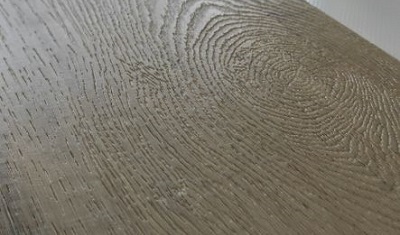
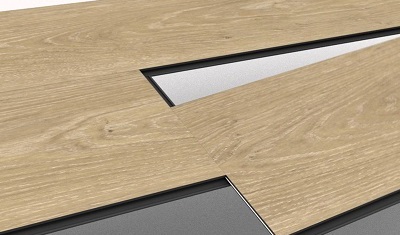
These are real images hosted on 3C-Floor. The image set covers installed appearance, click geometry, waterproof surface behavior and rigid-core edge construction.


A distributor, private-label brand or project contractor should not stop after choosing SPC. The next step is to lock the construction, sample and order record so a future batch matches what was approved.
For a complete sourcing workflow, use the 3C-Floor SPC Buying Guide. For branded collections, review the OEM SPC flooring program.
SPC is often better for quick interior renovation, warmer underfoot feel, quieter rooms and floating installation. Ceramic tile is usually better for maximum surface hardness, high heat, exterior exposure and purpose-built wet-area systems. The project, not the material label, should decide.
Often yes, if the old tile is sound, flat, dry and clean. Repair loose tile, excessive lippage, cracks and deep grout lines first. Also check finished floor height, transitions and the exact SPC installation instructions.
SPC vinyl plank generally feels warmer and less hard than ceramic tile. Compatible attached backing can further change footfall sound and comfort, but acoustic requirements should be verified using the complete floor construction.
Correctly installed ceramic tile generally has the advantage for maximum mineral-surface longevity. SPC durability depends more directly on wear layer, UV finish, traffic, maintenance, click integrity and whether replacement planks remain available.
SPC has a waterproof rigid core, but the whole installed floor is not automatically a waterproof room system. Subfloor moisture, perimeter gaps, penetrations and installation details still need control. Tile systems also depend on grout, membranes and substrate details in wet environments.
Many SPC products can work with compatible underfloor heating when the product-specific temperature limits, heat-up procedure and installation guidance are followed. Ceramic tile conducts heat more directly and can be preferable when heat transfer is the main objective.
Choose ceramic or porcelain tile first for shower floors, exterior areas, high-heat zones, strong UV/weather exposure and applications where maximum scratch resistance or an authentic mineral finish is more important than installation speed or underfoot comfort.
Send target market, application, subfloor, thickness, wear layer, size, décor, surface, backing, click requirement, quantity, packaging, testing/documentation needs and destination port. This lets the supplier compare a real specification rather than quote a generic plank.
3C-Floor manufactures and supplies SPC, WPC, LVT and PVC flooring for international buyers. For an SPC program positioned against ceramic tile, the practical work is to coordinate the visible design with the hidden construction: wear layer, rigid core, click profile, backing, size, samples, packaging and repeat-order reference.
Match the SPC structure to residential, rental, hospitality, retail or project use instead of selling one plank as a universal replacement for tile.
Inspect the full board, surface, profile, click fit and backing before bulk production, then connect the approved sample to the written SKU.
Coordinate décor direction, private-label cartons, labels, sample presentation and shipment planning for distributor and project programs.
Send 3C-Floor the application, existing subfloor, thickness, wear layer, size, surface, backing, quantity, packaging requirement, destination market and port. We can help organize an SPC specification for sample and quotation review.