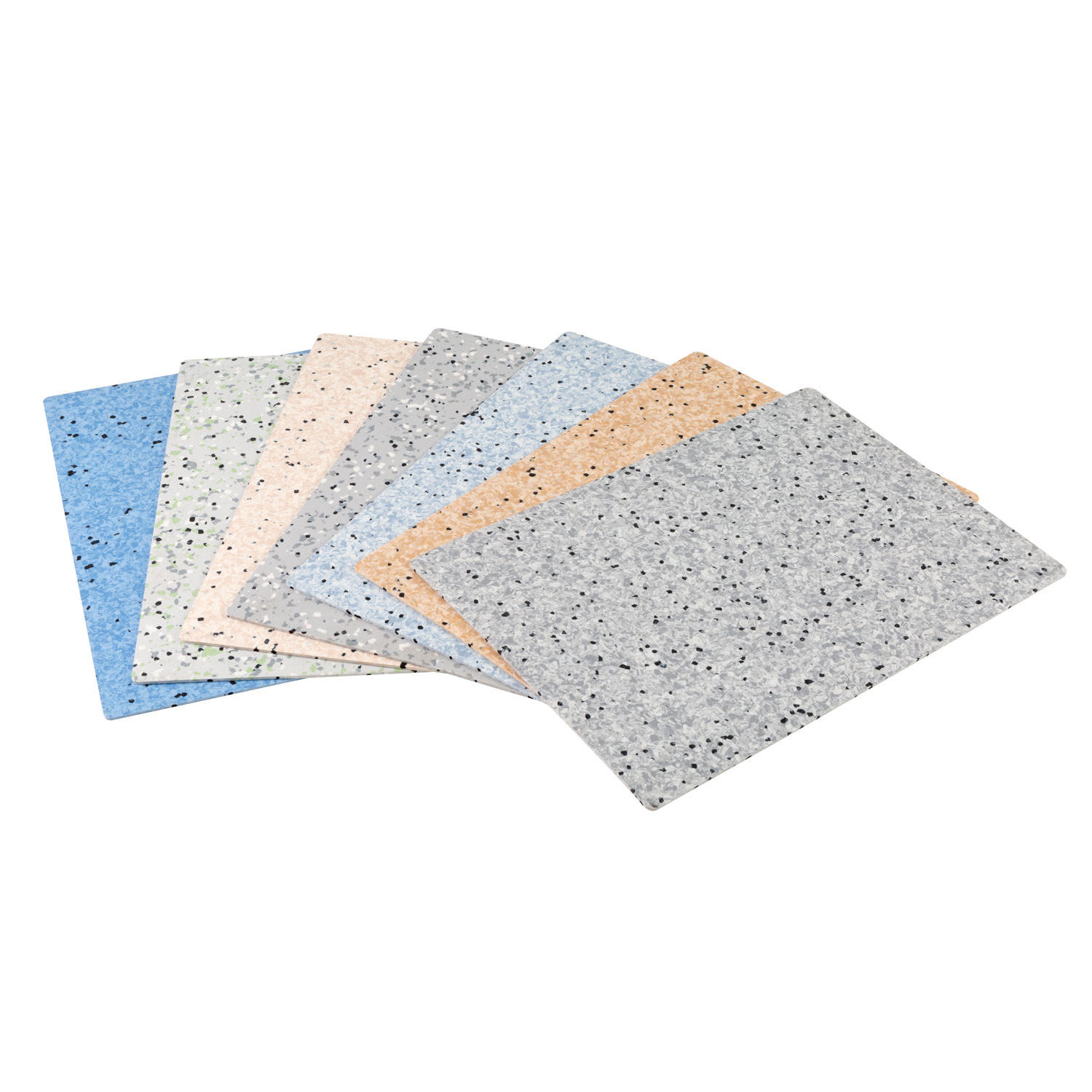
Slate
Layered mineral movement, charcoal-to-greige tones and tactile matte surfaces for entrances, kitchens, retail and modern hospitality.



Build a rigid core flooring collection around slate, concrete, terrazzo and mineral stone visuals—then match tile scale, wear layer, surface texture, backing and packaging to the market you actually sell into. 3C-Floor supports distributors, private label brands, contractors and project buyers with repeatable Stone Look SPC specifications rather than one generic décor.

It is SPC rigid core flooring finished with a high-definition stone décor—such as slate, concrete or terrazzo—under a protective transparent wear layer. The design goal is not simply to “print stone,” but to control scale, color movement, surface gloss, edge treatment and repeat so an installed floor reads like an architectural material rather than a repeated image.
Stone visuals make it easier to coordinate SPC with plaster, metal, glass, exposed concrete, neutral walls and large-format commercial interiors. At the same time, the rigid core keeps installation lighter and less disruptive than traditional stone or ceramic systems in many renovation and fit-out projects.
A strong Stone Look SPC range should not be a wall of nearly identical gray patterns. Each family serves a different interior language and customer: textured slate for depth, concrete for minimalism, terrazzo for hospitality and retail personality, and calm mineral designs for broad project coordination.
Layered mineral movement, charcoal-to-greige tones and tactile matte surfaces for entrances, kitchens, retail and modern hospitality.
Low-contrast cement visuals for minimalist offices, apartments, showrooms and open-plan commercial interiors.
Chip-like visual movement that adds identity without the polishing, sealing and substrate load associated with poured terrazzo systems.
Subtle veining and limestone-inspired tones for projects that want stone elegance without a high-contrast marble statement.
For project and private label buyers, the visual brief should include more than a color name. 3C-Floor can discuss how the décor behaves after installation—especially in large uninterrupted areas where repeating motifs are easier to notice.
Two products can share the same concrete print but perform and sell very differently. For B2B sourcing, define the total construction, wear layer, tile format, backing, locking profile, edge and packaging as one product—not as separate afterthoughts.
3C-Floor’s existing SPC tile programs cover residential through commercial positioning. Final availability should be confirmed against tile format, click tooling, target certification, quantity and destination market.
| Specification | Common options | How to choose | Buyer note |
|---|---|---|---|
| Overall thickness | 4.0 / 4.5 / 5.0 / 5.5 / 6.0 / 6.5 / 7.0 mm | Match product tier, underfoot feel, floor height and price architecture. | Do not use thickness alone as a durability claim; wear layer and construction quality matter too. |
| Wear layer | 0.2 / 0.3 / 0.5 / 0.7 mm | 0.3 mm is common for residential/light use; 0.5 mm is a strong commercial starting point; 0.7 mm for heavier-duty positioning. | Traffic, cleaning method and expected service life should guide the final choice. |
| Stone visual | Slate, concrete, terrazzo, limestone, marble, mineral abstract | Choose by target interior style and regional demand. | For bold stone prints, review several pieces together to check visual repeat. |
| Format | Plank, square tile, rectangular stone-look tile, custom size | Tile formats strengthen stone character; planks can suit mixed wood-and-stone ranges. | Confirm format together with locking profile and carton loading efficiency. |
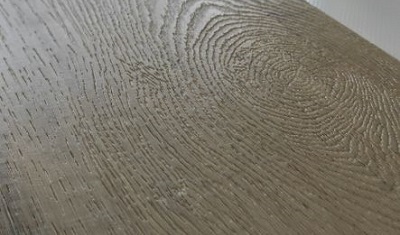
| Surface | Matte, stone texture, embossed, anti-slip texture direction | Use lower gloss for concrete/slate realism; specify test requirements separately. | Visual texture and certified slip performance are not the same thing. |
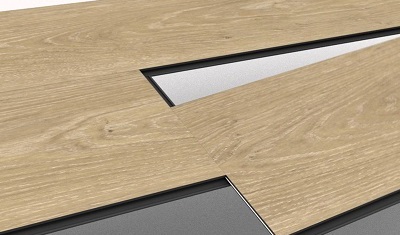
| Backing | No pad / IXPE / EVA / custom acoustic backing | Useful for apartments, hotels, offices and multi-level projects where comfort and noise are purchase drivers. | Confirm total thickness includes the backing when comparing quotations. |
| Branding | Neutral carton / OEM carton / barcode / label / sample board | Build packaging around distributor, retail or project workflow. | Freeze SKU names, color codes and carton data before bulk production. |
Specification ranges are sourcing guidelines based on 3C-Floor’s current SPC tile and OEM programs. Final construction, test reports, click profile, MOQ and lead time should be confirmed in the quotation and sample approval stage.
Stone Look SPC is especially useful where the design concept wants a mineral surface, but the project also values fast floating installation, manageable transport weight, easy replacement and a warmer feel than traditional tile.
Concrete and terrazzo visuals support contemporary merchandising without distracting from products. Specify commercial wear layers for regular foot traffic.
Stone-look public areas can coordinate with wood-look guest-room SPC while keeping maintenance language consistent across the property.
Concrete look SPC fits reception, meeting and circulation zones where minimalist interiors and rapid fit-out schedules matter.
Slate and mineral visuals give kitchens, living areas and suitable moisture-prone interiors a tile-like appearance without conventional grout cleaning.
Neutral stone designs can differentiate kitchens, entrances or common areas while keeping a repeatable rigid-core product family.
Terrazzo SPC flooring introduces visual energy for cafés, boutiques and lifestyle spaces; use project-specific wear and maintenance requirements.
The right comparison is not “which material is universally better?” It is which system fits the design, substrate, installation schedule, maintenance plan and replacement strategy of the project.
| Decision factor | Stone Look SPC | Ceramic / porcelain tile | Natural stone / terrazzo | Flexible LVT |
|---|---|---|---|---|
| Installation | Fast click-lock options; no grout; suitable subfloor must be flat and stable. | Adhesive, grout and curing steps are common. | Often heavier, more specialized and substrate-sensitive. | Glue-down and other flexible formats can suit demanding commercial layouts. |
| Underfoot feel | Generally warmer and less hard than mineral tile. | Hard and cool. | Hard, dense and premium. | More flexible feel depending on construction. |
| Water behavior | Waterproof rigid core; installation perimeter and joints still need correct detailing. | Tile body is highly moisture resistant; grout and substrate detailing matter. | Depends on material, finish, sealers and installation. | Vinyl surface is water resistant; installation method and substrate still matter. |
| Maintenance | No grout sealing; routine neutral cleaning. | Durable surface but grout maintenance can be required. | May require sealing, polishing or specialist maintenance. | Low-maintenance and widely used in commercial interiors. |
| Renovation fit | Strong when installation speed, weight and floor height are priorities. | Strong when mineral hardness and traditional tile construction are priorities. | Strong for premium, long-life architectural finishes where budget and structure allow. | Strong for glue-down commercial projects and design flexibility. |
Residential, apartment, hotel, retail, office or distributor stock? Traffic level determines the practical wear-layer and construction discussion.
Slate, polished/mineral, warm concrete, cool cement or terrazzo. Add reference images and note whether the desired finish is calm, dramatic or highly textured.
Decide whether the product should read like a square tile, rectangular stone slab or continuous rigid-core surface. Confirm bevel treatment with the sample.
Compare total construction, not isolated numbers. Confirm whether the quoted thickness includes IXPE/EVA backing.
Stone visuals can reveal repeating veins or chips. Evaluate several pieces together and freeze the approved color/texture reference before production.
Private label cartons, SKU codes, color names, barcode labels, pallet marking and technical sheets should all match the approved product specification.
Use the gallery as a starting point for visual direction. Final Stone Look SPC construction, color, tile size and surface finish should be confirmed by current sample and specification before ordering.
These six internal resources extend the buyer journey from visual selection into tile format, commercial durability, OEM branding, slip-direction discussions and acoustic backing.
3C-Floor manufactures SPC, LVT, WPC and PVC flooring for global buyers and supports OEM/private label programs. For Stone Look SPC, that means the conversation can move from one décor sample to a documented, reorderable SKU with controlled construction, packaging and export preparation.
Talk to 3C-FloorShort answers for distributors, contractors, private label brands and project teams comparing stone-inspired rigid core flooring.
Stone look SPC flooring is rigid core vinyl flooring that combines a Stone Plastic Composite core with a printed stone décor and protective wear layer. The visual can imitate slate, concrete, terrazzo, limestone, marble or abstract mineral surfaces while keeping the installation and maintenance benefits of a modern resilient floor.
Yes, when the specification is matched to traffic and maintenance. A 0.5 mm wear layer is a common commercial starting point, while 0.7 mm may suit higher-traffic positioning. Confirm click strength, dimensional stability, surface performance and any required test standard for the specific project.
Concrete look SPC is lighter, usually faster to install and does not require grout maintenance. Ceramic or porcelain remains the better choice when a true mineral tile system, very hard surface or specific wet-area construction is required. SPC is particularly attractive for renovation and fit-out projects where speed, floor height and underfoot comfort matter.
Yes. OEM programs can cover décor direction, tile or plank size, wear layer, total thickness, surface finish, backing, carton artwork, labels and sample materials. New visual development and mixed-SKU programs depend on MOQ and production conditions, so provide target volume and reference artwork early.
0.3 mm is widely used for residential and light-use products. 0.5 mm is a common choice for offices, hotels, retail and other commercial interiors. For higher traffic or premium lifecycle positioning, 0.7 mm can be considered. Final selection should reflect traffic, cleaning, warranty strategy and price target—not wear layer alone.
Include the application, visual direction, tile/plank format, total thickness, wear layer, backing, surface texture, click requirement, estimated quantity, packaging type, destination port and required test documents. Reference images and target color temperature—warm greige, cool gray, charcoal or off-white—help speed up sample matching.
3C-Floor can help you narrow the décor family, wear layer, tile format, backing and OEM packaging before bulk production.