- 0086 13321818576 (Steven Lee)
- info@3c-floor.com
Choosing the right vinyl flooring wholesale supplier is a strategic decision that directly impacts product quality, customer satisfaction, profit margins, and long-term brand credibility. For distributors, importers, contractors, and private-label brands, understanding how to evaluate factories and control sourcing risks is essential.
This guide is written specifically for B2B buyers looking to source vinyl flooring at scale. It covers supplier evaluation, product selection, quality control, pricing structure, OEM customization, logistics, and long-term partnership strategy.
SPC flooring is the most stable and widely specified vinyl flooring product in modern wholesale markets. Its rigid core structure offers superior dimensional stability and resistance to temperature fluctuation.
LVT remains a key wholesale option for budget-driven markets and renovation projects. It offers design flexibility and competitive pricing, making it suitable for apartments, retail spaces, and light commercial use.
Rigid core vinyl flooring bridges the gap between SPC performance and enhanced comfort. It is increasingly used in premium residential developments and hospitality projects.
A reliable wholesale supplier must be a true manufacturer with in-house production lines. Evaluate extrusion capacity, UV coating systems, digital printing quality, and daily output volume.
Professional suppliers conduct routine testing for wear resistance, locking strength, slip resistance, dimensional stability, and environmental compliance.
Ensure the supplier meets target market regulations such as CE, FloorScore, ISO, and relevant fire-resistance standards.
Wholesale buyers seeking differentiation should prioritize suppliers offering OEM services including custom colors, embossing, packaging, and brand identity support.
Wholesale vinyl flooring pricing is influenced by raw materials, wear layer thickness, core formulation, surface treatment, order volume, and packaging specifications.
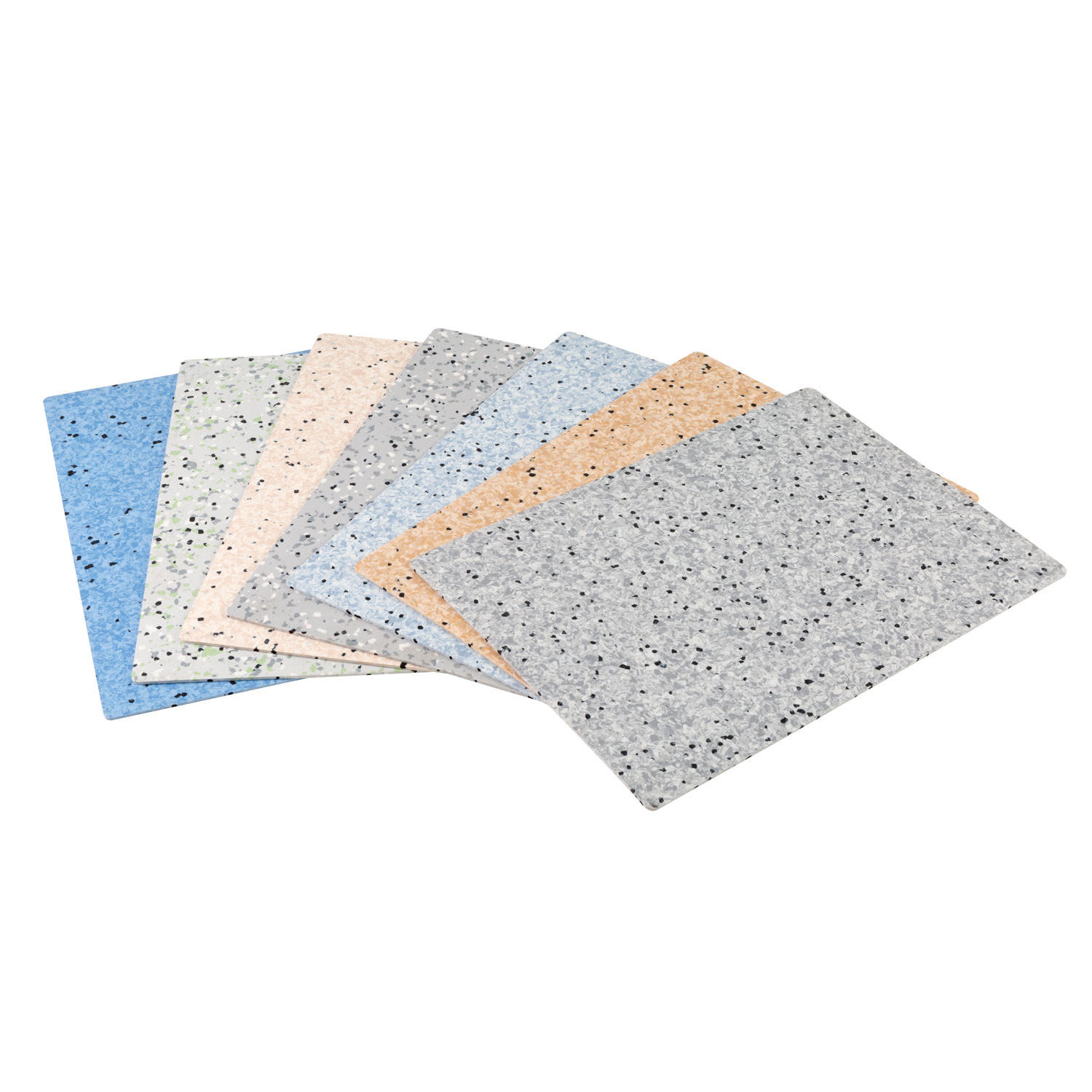
Always request physical samples for locking strength, surface texture, and color consistency evaluation.
Confirm specifications including thickness, density, wear layer, and packaging before mass production.
Third-party inspection or in-house QC reporting reduces shipment risk and ensures consistency.
Wholesale vinyl flooring requires careful logistics planning due to weight, pallet configuration, and container optimization. Experienced exporters provide stable lead times and professional shipping documentation.
Working directly with a professional flooring manufacturer reduces cost, improves communication, and ensures long-term supply stability.
Establishing a direct factory relationship also allows better control over product development and market-specific customization within the flooring supply chain.
Successful wholesale buyers focus on long-term cooperation rather than short-term price comparison. Stable partnerships ensure consistent quality, priority production scheduling, and continuous product improvement.
The vinyl flooring wholesale market continues to expand globally. Buyers who understand product structure, supplier capability, quality control, and logistics will gain a competitive advantage.
By sourcing directly from an experienced manufacturer like 3C-Floor, wholesale partners gain cost efficiency, technical support, and long-term reliability essential for sustainable growth.