What happens to the plank?
Check the vinyl composition, backing, dimensional changes and any adhesive interfaces. A body that does not swell like fiberboard may still have joints or neighboring materials that are moisture-sensitive.



Technical buying guide · LVT / SPC / Laminate
Water-resistant LVT and waterproof LVT are not necessarily different types of vinyl flooring. The practical difference is what a particular seller promises—and can demonstrate—about the plank, joins and installed system under defined water exposure. Vinyl-bodied LVT generally resists water far better than conventional wood-fiber-core laminate, but neither an LVT label nor a waterproof SPC core automatically protects the subfloor.
For flooring importers, distributors and commercial buyers, this guide compares claims, click versus glue-down construction, SPC and laminate alternatives, and the documents to request before approving an OEM or bulk order. 3C-Floor supplies LVT, SPC and related resilient flooring options; final performance must be verified for the selected product code.

01 / Buyer definition
The key question is not which marketing word looks stronger, but which layer or installed function the claim describes.
Direct answer: “Water-resistant LVT” typically communicates tolerance of specified water contact; “waterproof LVT” makes a stronger statement about the defined vinyl product or component under the supplier’s stated conditions. Because LVT is made from resilient vinyl, these labels may be applied to otherwise similar constructions. A waterproof plank is not automatically a waterproof floor assembly. Buyers should request the exact claim, supporting evidence, room approval, installation manual and warranty for the proposed SKU.
Check the vinyl composition, backing, dimensional changes and any adhesive interfaces. A body that does not swell like fiberboard may still have joints or neighboring materials that are moisture-sensitive.
Evaluate seams, click engagement, thresholds and perimeter gaps. “Waterproof material” and “watertight joints” are separate performance statements and need separate substantiation.
A wet concrete slab, failed adhesive or trapped leak can affect the finished floor despite moisture-resistant vinyl. Approval must cover the complete build-up and application.
For a broader explanation that also covers WPC and other flooring types, see the existing water-resistant vs waterproof flooring guide. This page focuses specifically on LVT buying claims and procurement evidence.
02 / Claim-level comparison
Compare statements you can put into an order and warranty review—not assumptions based on a carton badge.
| Decision point | Water-resistant LVT claim | Waterproof LVT claim | Buyer evidence to request |
|---|---|---|---|
| Product body | Vinyl body tolerates intended moisture exposure within defined limits. | Defined vinyl body or plank is claimed to remain unaffected by a stated water exposure. | Core composition, exact claim wording, relevant product-specific test record. |
| Duration & conditions | May involve a stated spill-response or cleanup scenario. | Should specify which contact conditions are covered; “unlimited” cannot be inferred. | Water type, duration, temperature, test set-up and warranty exclusions. |
| Surface vs seam | Surface may resist splashes while open joints permit penetration. | Waterproof planks do not automatically have sealed seams. | Whether claims apply to surface, full plank, locked joints or tested assembly. |
| Adhesive & backing | System risk depends on glue, backing and moisture level. | Waterproof face material does not automatically protect adhesive or underlay. | Approved adhesive, substrate moisture limits, backing and installation rules. |
| Approved rooms | Use only where anticipated water exposure matches the model instructions. | May be appropriate for more moisture-prone spaces when specifically approved. | Kitchen, bathroom, laundry, basement and commercial cleaning approval. |
| Warranty | Often limited by standing water, leaks and improper maintenance. | Still may exclude flooding, hydrostatic pressure, wet substrates or poor installation. | Full SKU warranty and claim exclusions for the destination market. |
| Quotation | Do not pay for a label without documented value. | A premium must be justified by construction, evidence or system benefits. | Apples-to-apples product code, thickness, wear layer and delivery scope. |
Neither label has one universal exposure duration or pass/fail threshold across all flooring products. A supplier must state the conditions associated with the claim.
03 / Material alternatives
Start with the product construction, then decide whether the installation format and intended room support the specification.
| Material | Construction | Moisture-related strengths | Important limitations | Buyer starting point |
|---|---|---|---|---|
| Flexible LVT / LVP | Layered vinyl tile or plank; can be dry back or loose lay. | Vinyl body generally avoids typical wood-fiber swelling; low-profile bonded options. | Adhesive and slab moisture; open seams; substrate telegraphing and fixing requirements. | Permanent commercial fit-outs, individual tile replacement and low build-up. |
| Click LVT | Vinyl-based floating flooring with profiled joints. | Vinyl water tolerance plus floating installation convenience. | Joint fit, expansion gaps, approved backing, movement and traffic restrictions. | Controlled renovation and residential / light commercial programs. |
| SPC rigid-core vinyl | Dense mineral-filled polymer core and click-edge construction. | Rigid plank with a core commonly specified for waterproof resilient flooring. | Still not a slab vapor barrier, sealed shower base or proof of leak-tight joints. | Rigid click programs where the substrate and room are approved. |
| Laminate | Typically décor and protective layers over a wood-fiber core. | Some SKUs use engineered edge systems and enhanced spill-resistance claims. | Moisture-sensitive core/edges may swell if exposure exceeds stated limits. | Dry or managed-moisture interiors when specific warranty conditions are acceptable. |
Prefer LVT when the project requires a low-profile bonded finish, modular replacement or a carefully selected floating system. Compare installation families in the 3C-Floor LVT collection, rather than ordering every format under one general “waterproof LVT” specification.
Consider SPC for approved interiors needing a rigid mineral-filled core and a click installation. Review the SPC flooring specification guide for how to document core, backing, locking profile and model-specific evidence.
Procurement distinction: Not every click LVT is SPC; “click” names a joint system, while “SPC” describes a rigid-core material construction. Likewise, “laminate” is not automatically waterproof merely because an edge treatment is advertised.
04 / Installation changes the risk
Two products with similar vinyl surfaces can behave differently when moisture reaches their interfaces.
Water may affect the bond or a moisture-sensitive substrate while the vinyl tile itself remains intact. Verify slab moisture testing, surface preparation, adhesive compatibility, rolling, curing and approved wet-cleaning conditions.
Best question: Which adhesive and subfloor moisture limits are approved for this product code?
Liquid may reach the underlay through an imperfect joint, edge damage or perimeter opening. The floating system also needs room movement allowances, flatness checks, thresholds and a defined installation plan.
Best question: Is any joint water-exposure claim independently documented for this exact click profile?
A removable floor can make localized access easier, but backing, tackifier, perimeter restraint and traffic loading remain important. Water may travel under planks if installation details are inadequate.
Best question: What restraint and moisture rules apply to this room size and traffic condition?
Quick decision: A waterproof LVT plank should not be specified as a substitute for a wet-room membrane, shower assembly or substrate vapor-control system. If the site has recurring leaks, active hydrostatic moisture or uncontrolled concrete emissions, resolve the building condition and obtain the appropriate floor-system approval before purchasing.
For guidance on separating moisture control from comfort underlayments, see the 3C-Floor underlayment range and discuss the proposed assembly with the flooring installer. Waterproof flooring body and substrate vapor control are different functions.
05 / Room-based selection
| Project situation | Starting product approach | What often gets overlooked |
|---|---|---|
| Kitchen with daily splashes | Evaluate approved LVT or SPC with a clear water-contact and cleaning position. | Dishwasher leaks, perimeter protection, transition details and cleanup instructions. |
| Bathroom outside the shower | Favor a product explicitly approved for the area; consider rigid SPC or compatible LVT construction. | Wet-area waterproofing remains a separate design requirement. Consult SPC bathroom flooring guidance. |
| Hotel / apartment turnover | Compare wear layer, LVT repair strategy and moisture claims together. | Repeat cleaning, plumbing incidents, spare stock and approved chemicals. |
| Retail / commercial corridor | Evaluate project-approved glue-down LVT or a suitable rigid system. | Rolling loads, cleaning regime, adhesive, entrance dirt and specified traffic performance. |
| Basement concrete slab | Specify a compatible floor only after substrate assessment. | Vapor coming from below, required mitigation and any prohibition on active moisture. |
| Uncontrolled flood or constantly wet space | Do not rely on standard modular LVT/SPC labels to satisfy waterproofing duties. | Building waterproofing, drainage, sanitization and specialist specification. |
06 / Information gain for procurement
Use one version-controlled document set. A laboratory report for a different backing, joint or product code is not automatic evidence for the quoted product.
Model-to-report rule: Procurement evidence is useful only when the report and instructions relate to the exact construction being supplied. A general statement about “all LVT” cannot replace model-level verification. The LVT technical data sheet guide explains which test and identity fields buyers should request.
| 3C-Floor LVT family | Published overall thickness | Published wear layer | Moisture evidence focus |
|---|---|---|---|
| Dry back LVT | 2.0 / 3.0 mm | 0.2 mm in the referenced listing | Adhesive and substrate acceptance; moisture exposure scope. |
| Click LVT | 3.5–7.5 mm | 0.3–0.7 mm published range | Click geometry, joint claim, underlay and expansion requirements. |
| Loose lay LVT | 2.0 / 3.0 mm in referenced listing | 0.2 mm in referenced listing | Backing grip, fixing / restraint and moisture under the plank. |
Published ranges above are product-family references from 3C-Floor's LVT specification sheet, not guaranteed options for every SKU. Wear layer thickness relates mainly to traffic and surface protection—not to a quantified waterproof rating.
07 / Real 3C-Floor image references
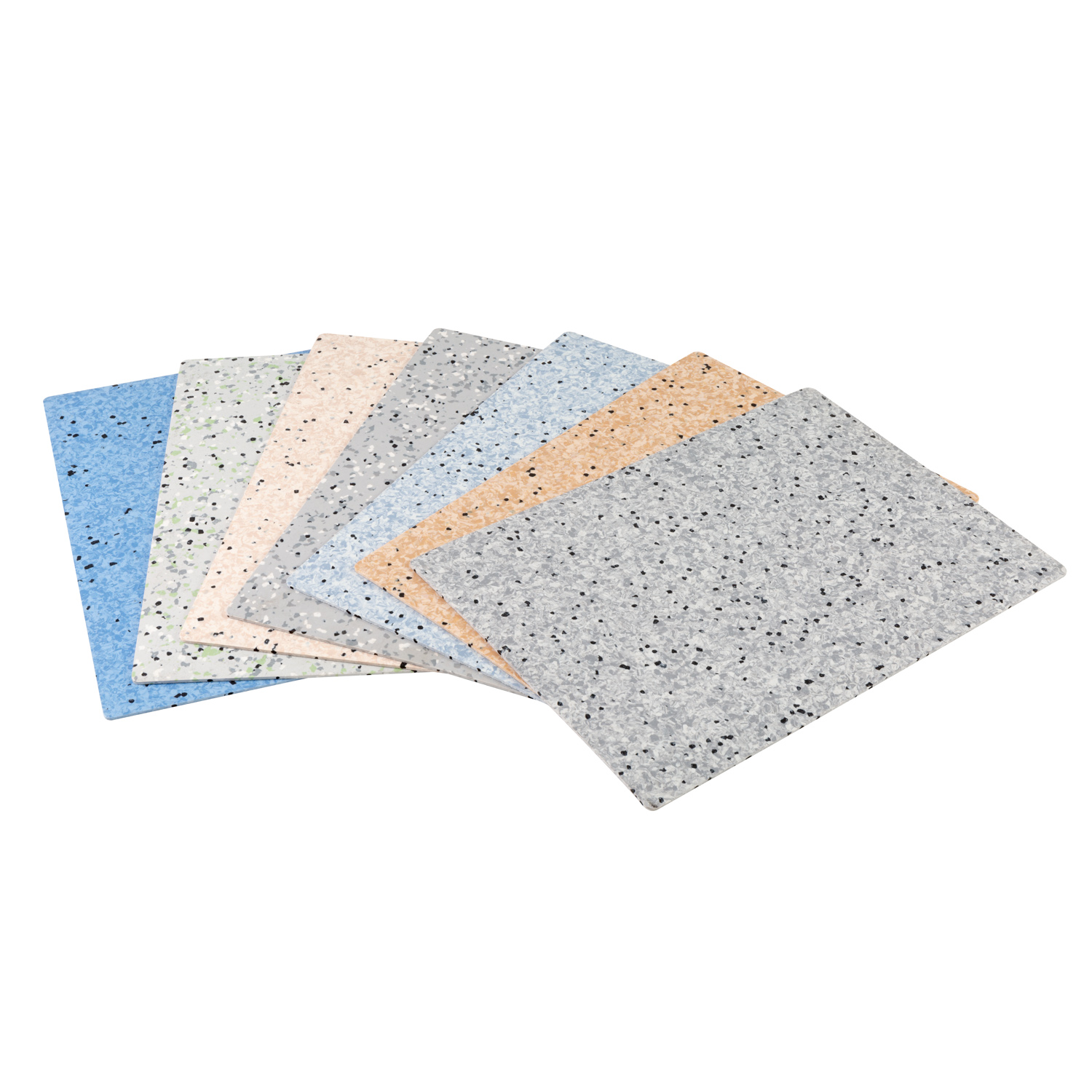
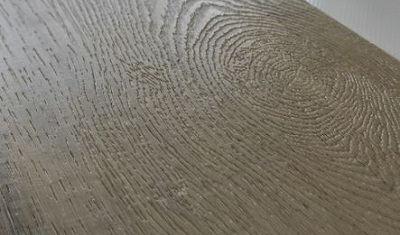
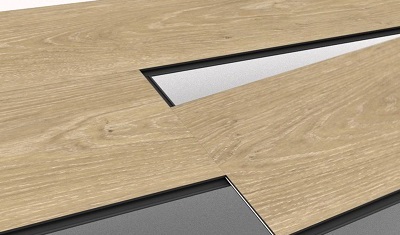
Original 3C-Floor website photographs. A visible surface or a water-drop photo helps show construction and use, but does not replace testing or installation approval.


08 / RFQ and OEM sourcing
For broader buying decisions, the LVT buyer's guide explains how installation, traffic and specification planning fit together.
“Supplier shall identify the proposed LVT product code and construction; state whether the water claim applies to the plank, its assembled joints or an installed flooring system; provide the corresponding test or documented basis, limitations, approved installation conditions and applicable warranty wording. Submitted evidence shall match the approved sample and production revision.”
For a private-label line, agree who may change the vinyl body, backing, click profile, décor film or protective surface. Update the document and physical reference sample when any performance-relevant construction changes.
This clause is a sample purchasing aid, not a claim that a particular 3C-Floor product has passed a specific test.
09 / People also ask · Buyer FAQ
Direct answers for project specifiers, wholesale buyers, installers and private-label product managers.
Often the underlying vinyl material is similar. The practical difference is the seller's defined claim: exposure conditions, product construction, seams, approved installation and warranty. Ask for evidence for the exact product code rather than assuming two marketing labels identify two standardized LVT material grades.
Vinyl-based LVT generally tolerates contact with water without the wood-fiber swelling associated with standard laminate. However, vinyl material performance does not make the installed flooring assembly, adhesive or subfloor waterproof. Product and room suitability still depend on the approved system.
Yes. Depending on product construction, wear, fitting and perimeter detail, water can enter through plank joints, transitions and room edges. Unless a complete system is tested and specified as watertight, a waterproof plank should not be treated as a sealed floor.
Not automatically. Click LVT relies on correct locking and expansion detailing, while glue-down LVT relies on compatible adhesive and a properly prepared, moisture-acceptable substrate. Compare the exact model's water-claim scope, installation instructions and warranty rather than selecting by fixing method alone.
Both can be suitable when the exact product is approved for the room. SPC is worth considering when a rigid click core is preferred; LVT may offer a bonded low-profile floor or another flexible installation option. Neither product replaces the building's waterproofing or drainage system.
No. Laminate products commonly incorporate a wood-fiber board core with surface and edge protection; enhanced products may carry defined spill-resistance claims. LVT is a vinyl-based resilient construction. The materials differ, so compare product-specific performance documents and accepted exposure conditions.
No. Wear layer is primarily a surface-durability variable. Water-claim performance also depends on the underlying body, seam geometry, adhesive, subfloor and installation. A nominal 0.5 mm layer, for example, is not a standalone waterproof certification.
Request the proposed product-code technical data sheet, installation instructions, exact water-claim scope, warranty, relevant test records, coded physical sample, approved packing plan and change-control requirements. Confirm that each document describes the same construction, surface and backing as the quotation.
3C-Floor · Commercial flooring supply
Tell 3C-Floor whether you are developing a private-label LVT range, buying wholesale flooring or preparing a commercial project specification. Share the application, structure, thickness, wear layer, décor, quantity, target market, documents and destination port; ask for the water-claim scope for the proposed product code.
Editorial basis: 3C-Floor's currently published LVT collection, LVT technical-data and specification pages; 3C-Floor's vinyl water-claim guide; and Tarkett's LVT and laminate construction explanation. Product family statements are selection guidance, not a declaration of testing for every 3C-Floor SKU. Review the actual project documents before making warranty, compliance or installation decisions.