A quieter joint
A square edge has no intentional sloped top perimeter. It creates a more continuous visual, although plank joints remain present and installation accuracy still matters.



Bevel flooring has sloped top edges that create a recessed outline where neighboring planks or tiles meet. The edge detail makes individual pieces more visible and changes the overall character of a floor.
For SPC and LVT buyers, the key choices are bevel size, edge color and which sides are treated. Compare those details alongside the wear layer, installation system and cleaning needs. 3C-Floor supplies vinyl flooring and offers micro-painted bevel SPC references for project, wholesale and OEM discussions.

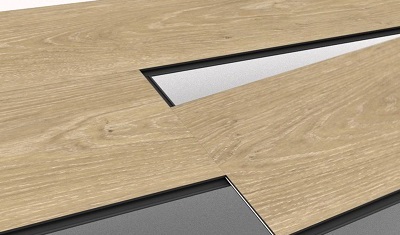
A flooring bevel is the sloping transition between a plank’s top surface and its perimeter. When two beveled pieces meet, the slopes form a shallow channel that outlines the joint.
“Beveled” and “bevelled” are spelling variants. Bevel describes an edge treatment used across several flooring materials. On wood-look vinyl, the outline emphasizes separate boards; on tile-look flooring, it can emphasize the tile format.
A designed bevel should look consistent along the joint. An irregular opening, a raised edge or a damaged corner needs separate investigation.
Start with the shape. Then review the edge finish. A painted bevel can also be a micro bevel, so the two terms should be specified separately.
A square edge has no intentional sloped top perimeter. It creates a more continuous visual, although plank joints remain present and installation accuracy still matters.
A micro bevel adds a small recess that traces each piece. Labels such as “micro-V” or “eased edge” vary by supplier; compare physical samples to judge the actual effect.
A larger bevel gives the board or tile a more defined border. Coordinated or contrasting color can further change how strongly the joints read across a room.
Illustrative top-edge cross-sections; proportions are exaggerated and show no locking system. These drawings are not manufacturing dimensions.
Shape, finish and side count are separate decisions. Ask whether the edge is small or pronounced, painted or otherwise finished, and treated on the long sides, short ends or all four sides. No single “micro bevel” dimension should be assumed across suppliers.
For the manufacturer’s existing profile overview, see 3C-Floor’s SPC edge style references.
Choose the appearance you want, then check the assembled floor and maintenance requirements. Edge style alone does not establish product quality.
| Decision | Square edge | Micro bevel | Pronounced / painted bevel |
|---|---|---|---|
| Installed appearance | Lower visual emphasis on each joint. | A fine outline around individual pieces. | Stronger separation; edge color influences contrast. |
| Design direction | Continuous, understated surfaces. | Wood or tile definition with a restrained border. | More visible board character or tile modules. |
| Cleaning review | Check the joint and surface texture. | Check whether fine debris remains in the recess. | Assess the recess, finish and proposed cleaning routine together. |
| Sample priority | Joint alignment and surface height. | Even edge size along sides and ends. | Consistent profile, edge color and corners. |
| Performance evidence | Confirm the full construction, wear layer, finish, installation system and applicable product documentation for every edge option. | ||
A painted bevel carries an added edge color. The color can blend with the décor or emphasize the border. Confirm the finish on both long and short edges, especially where cuts meet at a corner.
In common supplier terminology, 2V usually means two beveled sides and 4V means four. Ask for a marked drawing or sample showing exactly which edges are treated; labels alone leave room for misunderstanding.
View a group of joined planks under the planned lighting. A close-up photograph cannot show the rhythm of every joint across a room.
| Project priority | Compare first | Confirm before approval |
|---|---|---|
| Minimal visual interruption | Square edge and low-contrast micro bevel. | Joint visibility under side lighting; the intended plank or tile layout. |
| Wood-look living rooms or hotel bedrooms | Micro bevel and coordinated painted bevel. | How edge tone, board width and surface texture work together. |
| Bold board or stone-tile definition | More pronounced or contrasting bevels. | The visual density of the joint pattern over a larger assembled area. |
| Frequent commercial cleaning | Square edge or a restrained bevel with a suitable finish. | Cleaning instructions, practical soil removal and the complete use specification. |
| Custom LVT inlays or site-cut patterns | A square edge design, or a planned factory-finished solution. | How cut edges will meet factory edges; cutting can remove the original bevel. |
On click flooring, evaluate the decorative top edge and the locking connection separately. Check a joined sample for open seams, lipping and corner damage. A bevel provides no substitute for a correctly engaged joint.
Explore the SPC flooring categoryGlue-down and click LVT offer different installation routes. For borders, inlays and trimmed pieces, decide how a square site-cut edge will relate to the factory bevel before the layout is approved.
Compare LVT flooring systems3C-Floor publishes micro-painted bevel SPC vinyl click flooring. Use the collection as a starting reference, then request the current edge options and construction for your intended order.
Review the bevel together with the print, gloss and embossing. A strong outline beside a subtle grain creates a different effect from the same outline beside a deep texture. The embossed SPC flooring guide explains the surface choices to discuss alongside the edge.
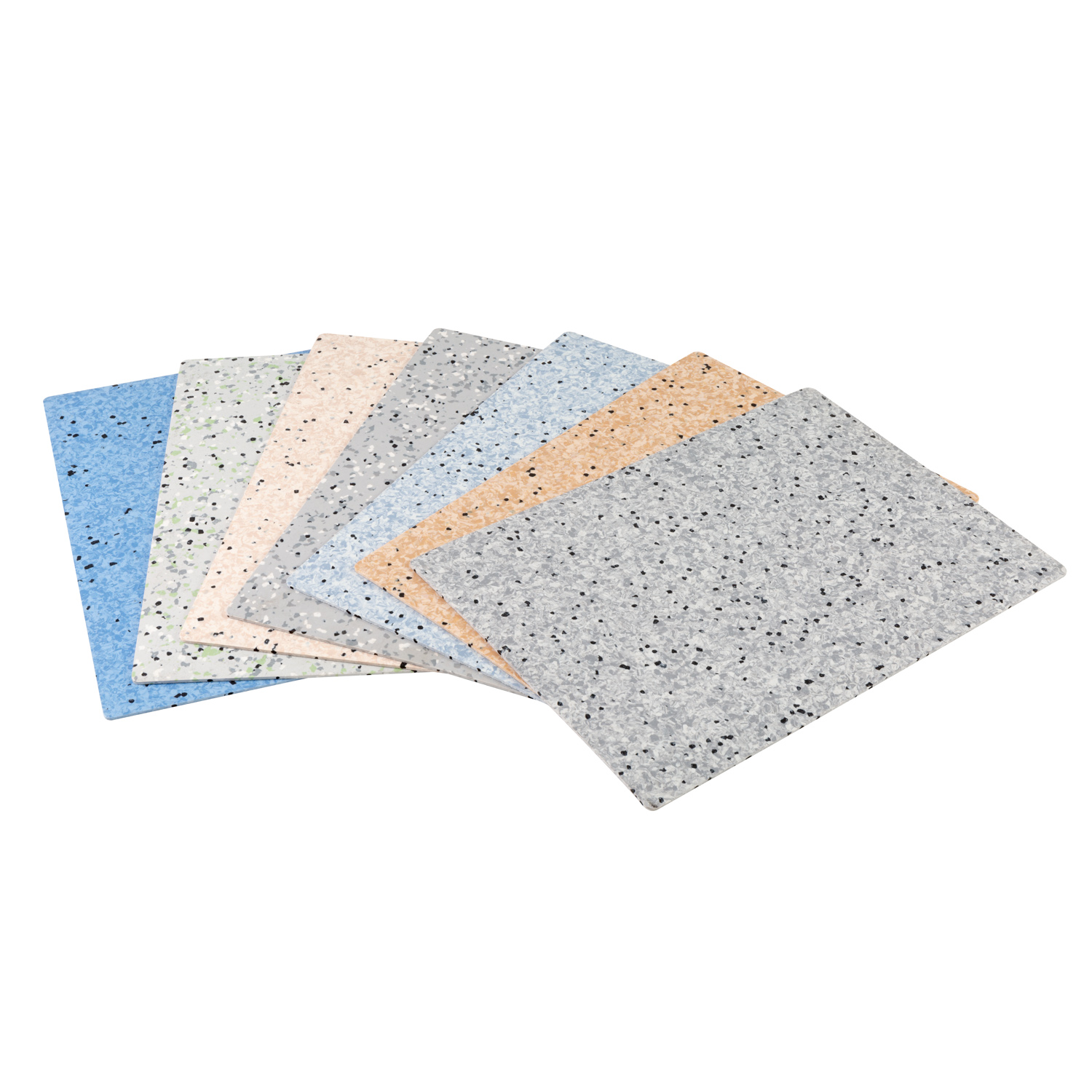
Images below are original 3C-Floor collection references. Current colors, construction and availability require confirmation.


A useful purchase specification separates edge appearance from construction. Keep each approved detail with the sample reference and purchase order.
| Field | What to record | Why it matters |
|---|---|---|
| Material / installation | SPC, LVT or other agreed construction; click, glue-down or approved system. | Defines the product family and installation requirements. |
| Edge geometry | Square, micro or more pronounced bevel; agreed drawing or reference sample. | Prevents two different profiles being sold under the same description. |
| Edge coverage / finish | Treated sides and ends; painted or other finish; approved color reference. | Controls the assembled joint pattern and edge tone. |
| Thickness / wear layer | Total thickness and wear-layer thickness as separate values, with units. | Bevel depth does not communicate the complete wear layer or use rating. |
| Size / surface / backing | Plank or tile dimensions, décor, gloss, embossing and backing. | Coordinates appearance, transitions and installation compatibility. |
| Use and documentation | Room, traffic, cleaning routine, market-specific test and warranty requirements. | Confirms suitability using product-specific evidence. |
| OEM / bulk control | Approved sample code, carton labels, quantity, packing and acceptance criteria. | Keeps the sampled product connected to production and repeat orders. |
Compare quotations on the same construction. A price difference may involve the décor, wear layer, edge finishing, backing, packaging or order quantity. Ask for an itemized specification before attributing the difference to the bevel.
Request enough sample pieces to inspect both long-side and end joints. Plan a suitable SPC flooring sample set for visual and construction review.
Follow the product’s assembly instructions. Examine joined pieces without forcing the connection. A chipped edge or incomplete click engagement should be recorded separately from the intended bevel.
Review daylight and the intended interior lighting. Look along the joint from both directions to assess edge tone and shadow. Photograph the same arrangement for the approval record.
Compare edge consistency at several positions. For painted edges, inspect color continuity and visible chips. Agree measurable acceptance criteria with the supplier for the selected construction.
Record décor, profile, finish, treated sides, thickness and sample identity. Retain a control sample for production inspection and repeat orders, alongside the written purchase specification.
Remove loose grit with a soft brush or a vacuum suitable for the flooring. Follow the selected product’s approved cleaner and damp-cleaning method. Recessed joints may need additional attention when fine dust collects there.
For commercial projects, try the proposed cleaning routine on an assembled sample. Obtain written care instructions before committing to an operating or maintenance plan.
Avoid flooding joints, abrasive edge scraping and unapproved coatings or cleaners. Confirm whether steam cleaning is permitted for the exact product.
Shanghai 3C Industry Co., Ltd supplies SPC, WPC, LVT and vinyl flooring. For importers, distributors, private label brands and contractors, start the conversation with the intended appearance and application.
3C-Floor’s published micro-painted bevel products and sample support provide a basis for discussing décor, construction and OEM packaging. Confirm the exact options and commercial terms for your order.
Include the approved sample code and any agreed edge finish or color reference.
Request confirmation of current MOQ, lead time, sample costs and shipping arrangements in the quotation.
Clear answers for product comparison, specification and purchase approval.
Bevel flooring is flooring with sloped top edges on its planks or tiles. Adjacent edges create a recessed outline that defines each piece. Bevel describes the edge profile and can appear on vinyl, SPC, WPC, laminate and wood flooring.
Micro bevel describes a small edge profile; painted bevel describes an edge finish with added color. These descriptions can apply to the same plank. Confirm the bevel shape, the treated sides and the paint color on an assembled sample.
Beveled edges suit buyers who want individual boards or tiles to stand out. Square edges suit a more continuous appearance. Choose after comparing the room design, cleaning routine, product construction and an assembled sample; neither profile is universally better.
A bevel alone does not establish waterproof performance. Water behavior depends on the flooring construction, joints, installation details and product-specific instructions. Confirm wet-area suitability and warranty conditions for the selected product.
Recessed joints can hold fine debris and may need attention during cleaning. Remove loose dirt with a soft brush or suitable vacuum, then follow the flooring manufacturer's approved cleaning method. Test the proposed product and cleaning routine on a sample; avoid flooding joints and unapproved treatments.
In common supplier terminology, 2V indicates bevels on two sides, usually the long sides of a plank; 4V indicates bevels on all four sides. Because naming varies, confirm whether the long sides, short ends or both are beveled on the actual product.
3C-Floor publishes micro-painted bevel SPC click flooring and supports OEM specification discussions. Send the required edge appearance, construction, quantity, market and packaging brief. Confirm current options, sample arrangements, MOQ and lead time in the quotation.