Real hardwood veneer
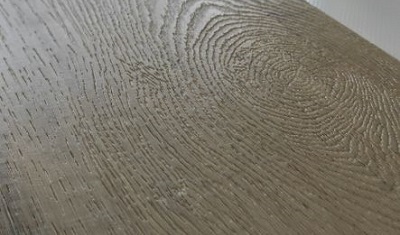
The top lamella or veneer is real timber, so the visible grain, color variation and tactile character come from natural wood rather than a printed film.



Engineered hardwood flooring is a layered real-wood floor designed to look and feel like traditional hardwood while reducing the dimensional movement of a solid wood plank. A real hardwood surface is bonded to a stabilizing multi-layer core. That construction can make engineered wood suitable for a wider range of subfloors and installation conditions, but it does not make every engineered floor waterproof or automatically refinishable.
30-second answer: engineered hardwood is real wood on the walking surface, but it is built in layers instead of being one solid piece. The key buying questions are not only “oak or walnut?” They are what is the wear layer, what is the core, how will it be installed, what moisture conditions are allowed, and can the selected product be refinished later?

Yes—engineered hardwood has a genuine wood wearable surface. However, the market uses the word “engineered” broadly, so buyers should read the construction specification instead of relying only on the product name.
The top lamella or veneer is real timber, so the visible grain, color variation and tactile character come from natural wood rather than a printed film.
Cross-oriented wood layers help restrain the expansion and contraction that occurs as wood gains or loses moisture.
The National Wood Flooring Association distinguishes all-wood engineered flooring from composite engineered flooring that has real wood on top of a composite platform.
A showroom face tells you the species and finish. A side profile tells you what you are actually buying: veneer thickness, core construction and overall balance.
Technical terminology note: NWFA defines a wood floor as a product with real wood as the top-most wearable surface and separates solid wood, engineered wood and composite engineered wood into distinct categories. Retail descriptions may be less precise, so specification review matters. See the NWFA real wood definition.
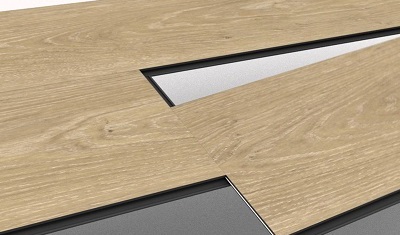
The product is a structural sandwich. The top layer gives the floor its real-wood appearance; the middle structure controls movement; the bottom balances the board. Quality cannot be judged from total thickness alone.
The most important distinction is between overall plank thickness and real-wood wear-layer thickness. A thick plank can still have a thin real-wood surface. If long-term refinishing is part of the buying plan, the veneer specification matters more than a large overall thickness number.
Ask the supplier to state the real-wood top-layer thickness separately from the core and total plank thickness. Do not accept “14 mm engineered wood” as a complete refinishing specification.
The visible real-wood species: oak, walnut, maple, hickory or another approved timber. Finish, stain, texture and grading affect the final appearance.
Cross-oriented wood plies are commonly used. Some retail products use a composite platform; confirm the material instead of assuming every “engineered” plank has the same core.
The bottom layer helps balance stresses within the plank. Construction varies by manufacturer and product family.
Some engineered hardwood can be sanded and refinished; some cannot. The decision depends on how much real wood remains above the core, the floor's condition, the previous sanding history and the manufacturer’s instructions.
A full refinish removes finish and a small amount of wood. Solid hardwood has a larger reserve of sandable wood above its tongue or locking geometry. Engineered hardwood has only the real-wood top layer available for sanding, so the refinishable reserve is product-specific.
The NWFA Engineered Wood Flooring Refinishable Program is a voluntary certification program, not a promise that every floor above one number can be refinished indefinitely. Its published product eligibility requires at least 2.5 mm wear layer for factory-finished products and 3.2 mm for unfinished products.
Those numbers describe program eligibility. Actual refinishing still depends on floor condition, flatness, installation, sanding method and the manufacturer's instructions.
Engineered hardwood solves a real engineering problem—wood movement—but it does not turn natural wood into a maintenance-free waterproof floor. The best choice depends on the project environment.
If the brief requires a waterproof resilient floor, highly repeatable printed décor, simple wet-area maintenance, or large-volume private-label consistency, a vinyl-based system may be a better fit. Buyers can compare SPC flooring for rigid waterproof construction or WPC flooring where a softer walking feel is preferred.
Engineered hardwood is generally more installation-flexible than solid hardwood, but the manufacturer’s written installation instructions control. Do not copy a method from one product to another simply because both are called engineered wood.
Many engineered products can be glued or floated over properly prepared concrete. Moisture testing, flatness, vapor control and compatible adhesives or underlayment remain critical.
Engineered construction is commonly selected below grade because it moves less than solid wood, but basement moisture risk must still be evaluated. “More stable” is not the same as “waterproof.”
Some engineered hardwood systems are approved over radiant heat. Species, plank width, temperature limits, subfloor moisture and acclimation requirements should be checked in the product manual.
Floating, glue-down and nail/staple methods are all found in the category. The joint profile, plank construction, subfloor and project specification determine which method is appropriate.
For resilient floating systems, also compare the role of flooring underlayment in acoustic control, moisture management and installation planning. Underlayment rules for engineered wood and vinyl products are not interchangeable, so always follow the selected floor manufacturer.
The fastest way to compare flooring categories is to separate surface material from core construction. Products can look almost identical from above while behaving very differently around water, sanding, installation and maintenance.
| Decision point | Engineered hardwood | Solid hardwood | Laminate | SPC vinyl | WPC vinyl |
|---|---|---|---|---|---|
| Visible surface | Real hardwood | Real hardwood | Printed décor layer | Printed décor + wear layer | Printed décor + wear layer |
| Core concept | Layered wood or composite engineered platform, depending on product | One solid piece of wood | Fiberboard-type core in most products | Rigid stone-plastic composite core | Foamed wood-plastic / polymer composite style core |
| Dimensional movement | Lower than solid wood | Higher sensitivity to humidity change | Product dependent | Very stable rigid resilient construction | Stable resilient construction with more cushioning |
| Water assumption | Treat as moisture-sensitive real wood unless specifically warranted | Moisture-sensitive | Varies; edges/core may be moisture-sensitive | Waterproof core category | Waterproof resilient category |
| Can it be sanded? | Sometimes; depends on real-wood wear layer | Generally multiple times within structural limits | No | No | No |
| Primary reason to choose | Real wood + improved stability | Traditional solid timber + long refinishing reserve | Wood-look visual in a dry-area budget format | Waterproof rigid core + easy maintenance | Waterproof wood-look + softer, quieter feel |
Category-level comparison only. Final performance depends on the exact product construction, warranty, installation system and project environment.
Do not source engineered hardwood by species and color alone. A commercial-ready specification should lock the visual surface, core, installation method, packaging and repeat-order tolerances together.
Natural wood varies. Approving one attractive board can create disputes when the delivered floor contains normal color, knot and grain variation. For B2B purchasing, approve a representative multi-board sample set and document:
Repeat-order control is especially important for natural materials. The goal is not to eliminate wood variation; it is to define which variation belongs in the approved product.
3C-Floor's published product portfolio centers on resilient flooring such as SPC, WPC, LVT and PVC flooring rather than presenting engineered hardwood as a core listed product. For buyers comparing materials, that makes the decision simple: choose engineered hardwood when a genuine wood wear surface is mandatory; compare resilient alternatives when moisture, maintenance, décor repeatability or private-label scalability has higher priority.
Start with SPC plank flooring for rigid wood-look planks or LVT flooring for flexible design and installation options.
These images show 3C-Floor resilient wood-look products for material comparison. They are intentionally labeled so they are not mistaken for engineered hardwood.


For room-focuse, d selection, see 3C-Floor's residential vinyl flooring guide, which compares SPC, LVT and WPC structures for homes, apartments and renovation projects.
A thicker plank does not automatically mean a thicker sandable wood layer. Require veneer thickness as its own line item.
Improved dimensional stability does not remove the moisture sensitivity of real wood. Use the manufacturer’s actual water/moisture warranty language.
“Natural oak” can contain very different knot, sapwood and color ranges from one supplier to another. Approve a representative range, not one plank.
Installation depends on joint type, plank structure, subfloor, site conditions and manufacturer instructions. Confirm the method before quoting labor.
Both can produce a convincing wood floor, but they solve different problems. Engineered hardwood prioritizes a real timber surface. SPC vinyl flooring prioritizes waterproof rigid-core performance, printed design control and easier resilient-floor maintenance. Compare the project requirement first, then the décor.
Direct answers to the questions that most often change a flooring decision.
Yes. Engineered hardwood has real wood as the visible, wearable surface. Industry definitions distinguish all-wood engineered construction from composite engineered products with a real-wood surface over a composite platform, so the actual cross-section should be confirmed.
It is a layered floor with a real hardwood top and a stabilizing structure beneath it. The core may use cross-oriented wood layers, while some composite engineered products use a manufactured wood-based platform. A balancing back layer may also be present.
Do not treat engineered hardwood as waterproof by default. It is generally more dimensionally stable than solid hardwood, but the surface is still real wood. Wet-area suitability and water exposure limits must come from the specific manufacturer’s warranty and installation instructions.
Sometimes. Refinishability depends primarily on the thickness and remaining condition of the real-wood wear layer. NWFA’s voluntary refinishable program uses minimum wear-layer criteria, but actual sanding decisions still depend on the individual floor and manufacturer guidance.
Solid hardwood is one piece of wood; engineered hardwood is a layered construction. The layered structure reduces dimensional movement and often expands installation options, while solid wood usually offers more wood available for future sanding.
The surface material is the key difference. Engineered hardwood uses a real wood surface. Laminate normally uses a printed décor surface over a fiberboard-style core. A suitable engineered hardwood can sometimes be refinished; laminate cannot be sanded like real wood.
It depends on what the project values. Choose engineered hardwood for a genuine wood surface and possible renewability. Choose SPC when waterproof rigid-core performance, easy maintenance, predictable wood-look décor and fast floating installation are more important.
Ask for a complete construction and visual specification. Include species, veneer thickness, core, total thickness, plank size and length mix, grade, surface finish, bevel, installation method, moisture limits, subfloor compatibility, packaging, sample approval, repeat-order control and the documentation required in the destination market.
Tell 3C-Floor how the floor will be used and we can help you compare resilient SPC, WPC and LVT structures for your target market. If a genuine real-wood surface is mandatory, keep engineered hardwood in the specification; if waterproof performance and scalable private-label supply matter more, a resilient alternative may fit the project better.
For a useful quotation, include: target market, application, product type, thickness, wear layer, plank size, surface, backing, color direction, quantity, packaging, certification/document requirements and destination port.