- 0086 13321818576 (Steven Lee)
- info@3c-floor.com
Wood look vinyl roll is flexible sheet flooring that combines a timber-pattern PVC surface with large-area roll coverage. For residential flooring distributors, apartment projects, renovation channels and private-label buyers, the real purchasing decision is not simply “oak or walnut.” The décor repeat, apparent plank scale, surface sheen, roll width, total thickness, wear layer, backing and installation method all need to work together. 3C-Floor supplies residential vinyl sheet and timber pattern PVC flooring with published flexible-roll options and custom specification discussion for B2B sourcing.

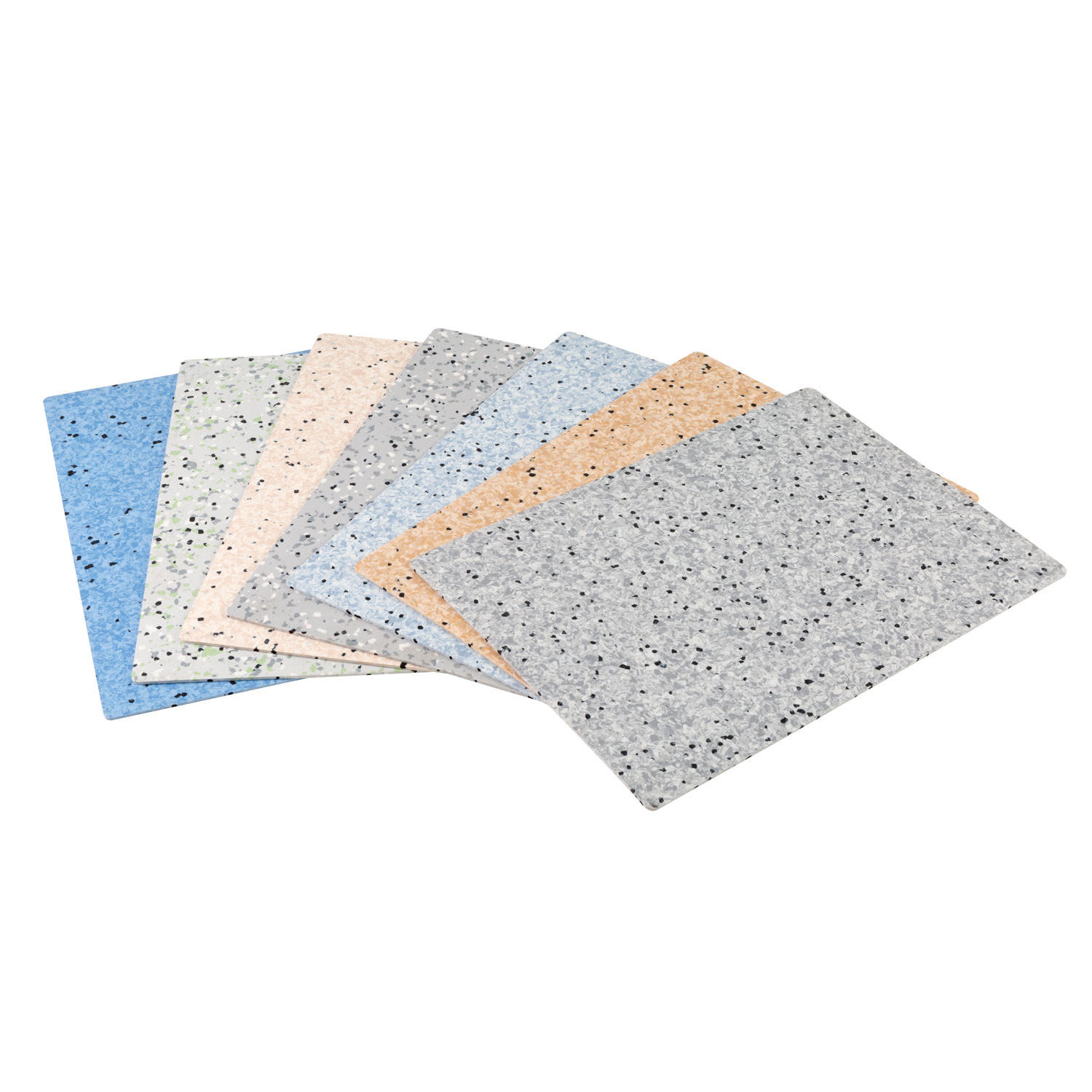
Real 3C-Floor image: flexible wood-grain PVC flooring rolls in light, medium and warm timber tones.
Wood look vinyl roll flooring is flexible PVC sheet flooring printed with a timber visual and supplied in large rolls rather than separate planks. It is used when a buyer wants the visual language of wood together with broad sheet coverage, fewer joints and a practical residential flooring format. The printed floor can imitate straight plank layouts, light oak, warm walnut, rustic timber, mixed boards or other décor directions.
For procurement, the pattern must be specified together with the construction. A convincing timber design can still become a poor product if the plank scale looks unrealistic in a room, the pattern repeat is too obvious, the wear surface is too light for the traffic level, or the roll width creates unnecessary seams and waste.
Retail buyers often select a wood-look floor from a small printed sample. That is not enough for roll flooring. In a residential vinyl sheet, the décor is repeated across a broad continuous surface, so pattern rhythm becomes more visible than it is on an individual plank. A better approval process considers scale, repeat, tone, texture and room geometry before the SKU is locked.
Ask how wide and long the printed “boards” appear once installed. Very small printed planks can make large rooms look busy; oversized boards can look artificial in compact apartments.
Review how frequently knots, grain features and board transitions repeat. A high-contrast feature that repeats too often is much more obvious on a sheet than on a single swatch.
Light oak, honey, walnut, greige and smoked timber can change significantly under warm or cool lighting. Approve a larger sample under target-market lighting conditions.
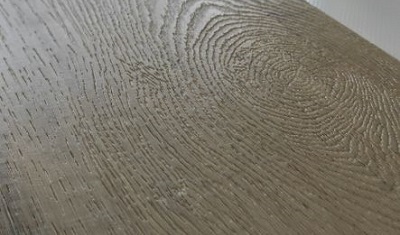
Matte or lower-gloss finishes usually make printed wood calmer and less reflective. Gloss level should be selected with the target channel, cleaning routine and visual brief in mind.
The table separates verified 3C-Floor roll directions from items that must be confirmed by project. This avoids a common sourcing error: comparing quotations that use the same décor name but materially different wear layers, backing structures or roll sizes.
| Specification item | 3C-Floor current / published direction | What the buyer should confirm |
|---|---|---|
| Product format | Flexible PVC/PET roll flooring | Residential sheet construction, backing and target traffic level |
| Visual | Wooden designs and custom design discussion are published | Oak / walnut / rustic / greige direction, plank scale, repeat and color standard |
| Roll width | 1800 mm and 2000 mm | Room dimensions, seam map, cutting yield and local market preference |
| Roll length | 20 m, 30 m, or customized discussion | Pattern section length, roll handling, project cutting plan and packaging |
| Total thickness | 0.3–2.0 mm | Residential duty, comfort, substrate condition and target price segment |
| Wear layer | 0.07–0.35 mm | Traffic level, furniture use and expected maintenance intensity |
| Surface / gloss | Matt, semi-gloss and glossy directions | Wood realism, glare, stain visibility and market preference |
| Installation | Glue down | Approved adhesive, substrate flatness, moisture condition and perimeter details |
| Application | Existing 3C-Floor range references hotel, apartment, residential and commercial use | Match the exact selected construction to real traffic and local requirements |
| OEM / packaging | Available for discussion through 3C-Floor custom flooring programs | Roll labels, item code, color name, brand artwork, market language and repeat-order control sample |
Do not treat the full published range as one universal SKU. Exact thickness, wear layer, backing, dimensions, documentation and current availability should be confirmed against the selected wood-look construction.
Wood-look sheet can create an approachable residential aesthetic while covering rooms in a large continuous format. For repeat apartment programs, keep a controlled master sample and roll code so replacement orders do not drift visually.
Light oak, warm natural timber and muted greige directions work well where the buyer values visual softness and practical maintenance. Confirm furniture loading and wear expectations before selecting a lightweight structure.
Roll flooring can be attractive for renovation channels, but the existing subfloor must still be smooth, stable and suitable for the selected adhesive system. Sheet format does not compensate for a poor substrate.
Distributors can organize timber patterns by tone instead of stocking many unrelated designs: pale oak, natural oak, honey, walnut, smoked and grey. A clear color ladder is easier for dealers to sell and easier to replenish.
Some residential-looking sheet products may work in light hospitality interiors, but commercial traffic should not be assumed from appearance alone. For demanding public use, compare a heavier heterogeneous roll specification.
Approve more than the face color: lock the thickness, wear layer, finish, roll size, pattern reference, packing label and master sample together. That makes repeat orders commercially controllable.
For broader residential structures beyond flexible roll, compare 3C-Floor’s residential vinyl flooring program, which covers SPC, LVT, WPC and other home-use formats.
| Decision factor | Wood look vinyl roll | LVT plank / tile | SPC rigid core |
|---|---|---|---|
| Format | Flexible large sheet / roll | Individual flexible planks or tiles | Rigid click or other plank format |
| Best reason to choose | Broad sheet coverage, few joints, residential roll economics and timber print | Modular plank visual, design flexibility and replaceable pieces | Rigid-core stability and floating renovation logic |
| Wood visual | Printed plank layout across continuous sheet | Each plank behaves visually as an individual board | Individual board format with rigid core |
| Installation planning | Roll direction, seams, pattern repeat and adhesive plan | Plank layout and adhesive / installation system | Subfloor flatness, expansion planning and click installation |
| When not to choose | When modular replacement, rigid click installation or heavy commercial construction is the priority | When the project specifically requires a broad continuous sheet surface | When very thin flexible sheet economics or roll coverage is the purchase target |
Buyers still deciding between sheet constructions can start with the PVC flooring roll manufacturer guide. For a multi-layer commercial sheet direction with heavier wear-layer options, compare the heterogeneous PVC flooring supplier page.
The gallery uses images hosted on 3C-Floor. It combines the physical roll format with installed wood-look interiors so buyers can understand both the product form and the design intent.


A successful OEM program needs a controlled reference system. The sample that looks good today must be identifiable in the next production cycle. Record the visual code, master color, total thickness, wear layer, finish, roll dimensions, backing, packing information and destination-market requirements as one approved specification.
Approve timber species direction, color family, grain contrast, knot density, printed board scale and pattern repeat. Use a retained physical reference, not only a screen image.
Define thickness, wear layer, backing / construction, surface finish and roll size together. A product name such as “Natural Oak” is not a complete repeat-order specification.
Confirm roll label, item code, brand name, décor name, dimensions, market language and any private-label artwork before bulk production.
Residential retail, apartment projects, renovation, distributor stock or private label.
Light oak, natural oak, honey, walnut, smoked, rustic or custom reference.
Thickness, wear layer, roll size, finish and installation direction.
Check room-scale repeat, lighting, plank scale and surface response.
Use the approved sample, SKU record and packaging file for subsequent purchasing.
A small swatch cannot show the repeat rhythm. Ask for enough visual area to see multiple printed boards and distinctive grain features before approving the collection.
Total thickness does not tell you the wear surface, backing behavior or target traffic. Compare total thickness and wear layer as separate fields.
Roll width and direction determine seam count and waste. Share common room dimensions with the supplier before deciding whether 1.8 m or 2.0 m widths are commercially efficient.
Gloss can amplify reflections and make some printed grains look less natural. The correct finish depends on the décor, interior lighting and target price segment.
A residential visual can be attractive in public interiors, but traffic and maintenance requirements must be matched to the actual construction. Use a commercial heterogeneous roll when the duty level demands it.
Three or four coordinated timber tones are often more sellable than many unrelated designs. Build a deliberate color ladder and keep a stable master reference for each SKU.
Wood look vinyl roll flooring is flexible PVC sheet flooring printed with a timber, oak, walnut or plank visual and supplied in roll form. It is useful when buyers want the appearance of wood together with broad sheet coverage and fewer joints than individual planks. The décor, wear layer, backing, surface finish and roll dimensions should be approved as one specification.
The current 3C-Floor flexible roll page publishes widths of 1800 mm and 2000 mm, with 20 m and 30 m roll lengths plus custom-length discussion. Exact dimensions should be confirmed for the selected wood pattern and construction before quotation.
Choose thickness and wear layer according to the real traffic level rather than selecting the highest number automatically. 3C-Floor’s existing flexible roll range publishes 0.3–2.0 mm total thickness and 0.07–0.35 mm wear-layer directions. Bedrooms and low-traffic residential areas may accept lighter structures; busier living spaces, rentals and mixed-use areas should be specified more conservatively.
No. Timber pattern PVC roll is a flexible sheet format. LVT is supplied as individual flexible planks or tiles, while SPC is a rigid-core plank product. Choose roll flooring for broad sheet coverage and low joint density; choose LVT or SPC when modular plank geometry, individual replacement or rigid click installation is a stronger requirement.
Custom design discussion is available through 3C-Floor’s custom and OEM flooring supply. Send a physical sample, décor reference or clear target image together with the required roll specification. The supplier should confirm whether the requested grain, tone, repeat and finish can be reproduced in the selected construction.
Approve the floor at room scale, not only at swatch scale. Check printed plank width, grain repeat, knot frequency, color balance, gloss, surface texture, roll direction and how the pattern looks under realistic lighting. Distinctive features that look attractive on a small sample can become repetitive across a full room.
Send the application, target market, quantity, roll width and length, total thickness, wear layer, backing or construction, surface finish, timber color direction, packaging needs and destination port. Include a reference photo or approved sample when color and pattern matching matter. This produces a more useful quotation than asking only for “wood look vinyl roll price.”
For a more accurate quotation, send 3C-Floor the design direction and the technical specification together. A screenshot of an oak color is helpful, but a purchasing-ready RFQ also needs roll size, thickness, wear layer, surface, quantity, application and packaging information.
Samples and final specifications should be confirmed against the exact selected construction.