- 0086 13321818576 (Steven Lee)
- info@3c-floor.com
3C-Floor supplies WPC vinyl flooring for distributors, importers, flooring brands, contractors, developers, and project buyers who need a more commercially practical balance of comfort, waterproof performance, design flexibility, and stable factory support. This page is built for buyers comparing WPC flooring manufacturer options, evaluating custom product structures, and looking for a supplier that can support both private-label business and project-oriented specification work.
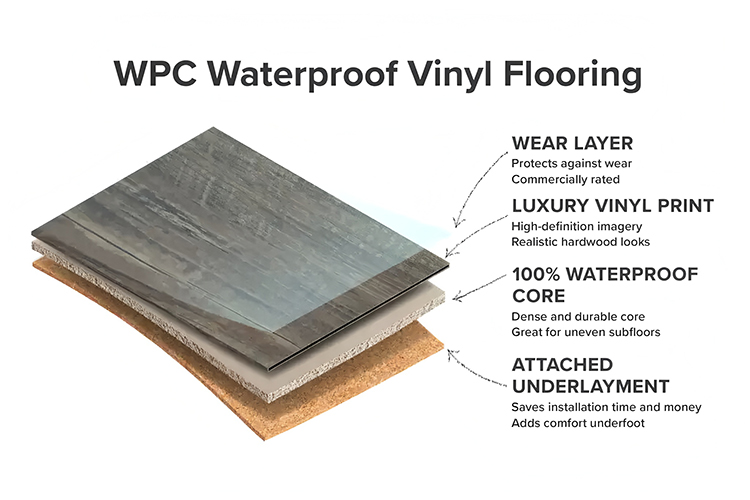
WPC vinyl flooring refers to a multilayer vinyl flooring system built around a wood plastic composite core. In practice, that means buyers get a floor that combines the visual flexibility of modern vinyl with a more cushioned feel underfoot than many harder rigid-core alternatives. For importers and contractors, WPC flooring usually matters because it answers multiple business requirements at the same time: waterproof performance, faster installation, lower maintenance, broad décor possibilities, and a product story that is easier to sell than traditional laminate in moisture-prone interiors.
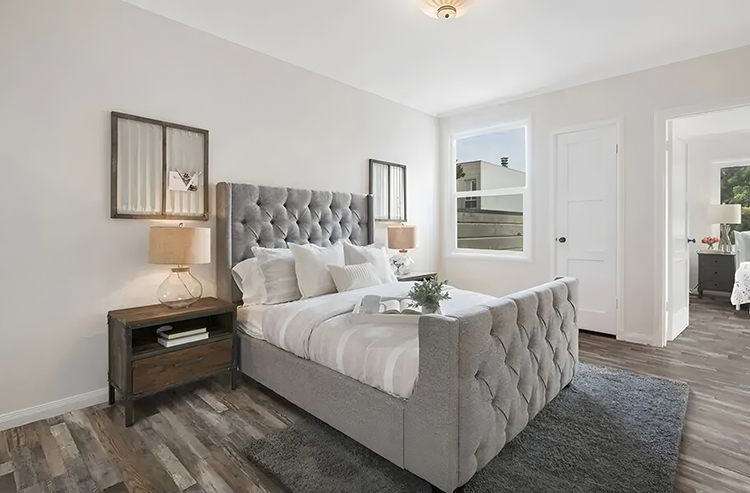
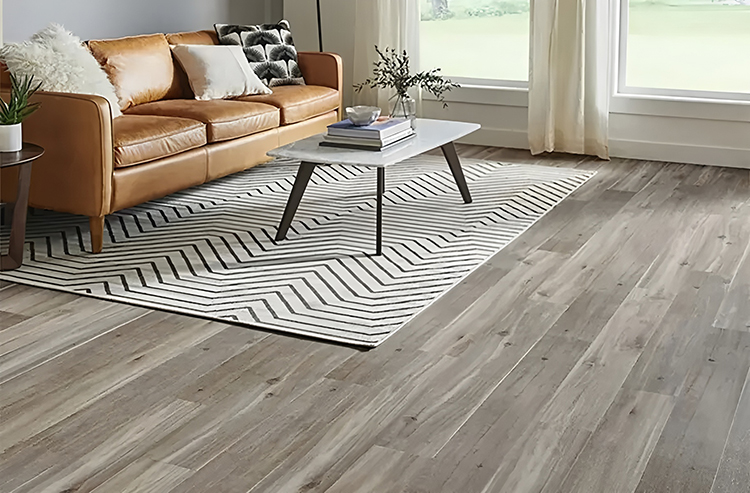
When buyers search for WPC vinyl flooring, they are usually not just searching for a plank. They are trying to solve a full product positioning problem. They may need a waterproof floor for apartments, villas, hotels, or office refurbishment. They may need a wood-look product that is more forgiving underfoot than a dense mineral-core construction. They may need a WPC flooring supplier who can align visuals, wear performance, packing, and documentation with different market channels. That is why a serious WPC flooring page has to speak both to product performance and to delivery reliability.
3C-Floor positions WPC vinyl flooring as part of a broader flooring manufacturing lineup that also includes SPC flooring, LVT flooring, PVC flooring rolls, custom vinyl flooring, application support, quality control, and R&D. That broader manufacturing base matters because it gives buyers a more complete comparison framework when they are deciding whether WPC is the right commercial choice for a given market or project.
Tell 3C-Floor your target market, thickness range, wear-layer target, décor preference, branding requirement, and destination port. That makes it easier to recommend a commercially realistic WPC vinyl flooring structure instead of quoting a generic board that may not match your application.
WPC flooring is designed for moisture-prone interior spaces such as kitchens, bathrooms, laundry zones, basements, hospitality rooms, and apartment renovation projects. Buyers often choose WPC because it offers a practical waterproof story without forcing the project into cold or overly rigid floor feel.
Compared with harder rigid-core options, WPC vinyl flooring is usually selected when walking comfort, acoustic softness, and a more forgiving step feel matter. That makes it a strong fit for bedrooms, family living spaces, hotel guestrooms, and office interiors where daily comfort influences end-user satisfaction.
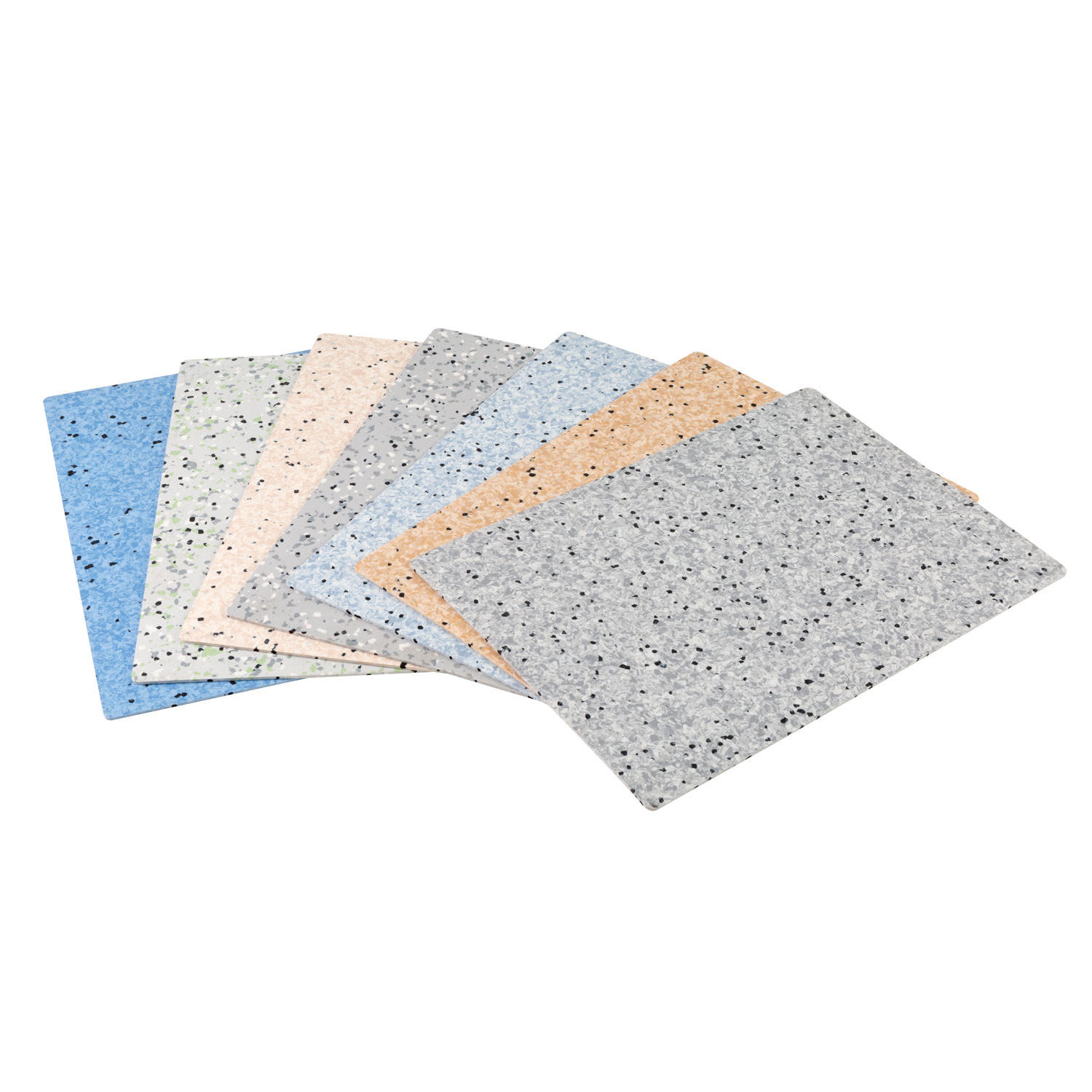
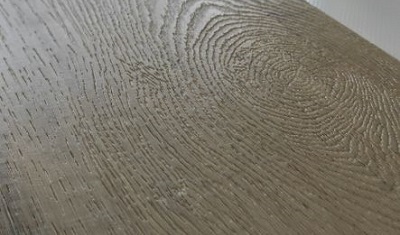
A strong WPC flooring manufacturer can support a wide range of wood-look, stone-look, embossed, matte, and EIR-inspired surface directions. That flexibility is important for distributors and private-label programs that need market-specific visuals instead of one-size-fits-all décor collections.
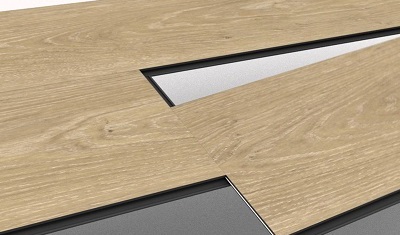
Click-lock WPC flooring remains attractive because it can shorten installation time and reduce on-site complexity. For buyers managing labor cost, renovation cycles, or occupied-space upgrades, installation efficiency is often a major selling point, not a secondary feature.
WPC vinyl flooring is commonly chosen for projects that need attractive surface design without the lifecycle burden of sanding, waxing, or complicated maintenance. Regular sweeping and damp cleaning are usually enough for most day-to-day performance expectations.
For brands and importers, the real value is not just the board itself. It is the ability to customize thickness, wear layer, backing, décor film, embossing, edge detail, private label packaging, and supporting documents so the flooring line matches the intended sales channel and price architecture.
Final structures can be adjusted according to the target market, application, and budget. The table below shows common planning ranges for WPC vinyl flooring programs.
| Item | Typical Range / Direction |
|---|---|
| Product Type | WPC vinyl plank or tile with multilayer construction |
| Overall Thickness | 4.0 mm – 8.0 mm depending on residential or commercial positioning |
| Wear Layer | 0.2 mm – 0.7 mm based on traffic expectation and channel requirement |
| Core Structure | Wood plastic composite waterproof core engineered for comfort and dimensional stability |
| Surface Options | Wood grain, stone look, matte finish, embossed texture, EIR-style visual direction |
| Installation | Click-lock or glue-down depending on program and application |
| Backing Options | Optional IXPE or EVA underlayment depending on acoustic and comfort target |
| Common Size Direction | Typical plank sizes may include 1220 × 180 mm, 1215 × 229 mm, and custom programs |
| Use Areas | Residential, hospitality, office, retail, education, light commercial interiors |
| Quality / Compliance Direction | Quality control documentation and selected certification support can be coordinated according to product line and market requirement |
The final specification should always be matched to the target use case. A residential program, a hotel refurbishment package, and a retail roll-out project rarely need the same WPC board structure.
In many markets, WPC vinyl flooring becomes especially relevant when the buyer wants a product positioned between conventional laminate and a denser SPC alternative. That middle ground can be commercially powerful because it supports a premium-enough story without losing broad-use practicality.
A reliable WPC vinyl flooring supplier is not only judged by brochure language. The real test is whether the factory can keep décor consistency, packing logic, specification discipline, and communication quality under control across repeat orders. That is what serious buyers usually care about after the first shipment.
Whether you are building a private-label collection, preparing for a distributor launch, or matching a commercial tender requirement, 3C-Floor can help align décor, wear performance, backing, carton design, and product positioning before production starts.
| Flooring Type | Strengths | Typical Buying Logic |
|---|---|---|
| WPC Vinyl Flooring | Waterproof, more comfortable underfoot, easier renovation story, broad décor flexibility | Chosen when buyers want a waterproof floor with a softer feel and balanced commercial positioning |
| SPC Flooring | Higher rigidity, strong dimensional stability, good for heavier traffic and indentation control | Chosen when the project needs a denser rigid-core structure and stronger commercial toughness |
| Traditional Laminate | Familiar category and competitive appearance options | Used when budget and appearance matter, but it is less attractive for moisture-prone spaces |
| Standard Glue-Down Vinyl | Versatile specification options and wide commercial use | Useful where adhesive installation is acceptable and softer multilayer WPC feel is not essential |
The most important comparison is usually not “which category is best in general,” but “which category is best for this channel, this budget, this installation condition, and this end-user expectation.” That is why many buyers compare WPC flooring with both SPC flooring and LVT alternatives before finalizing a program.
A regional flooring brand wanted to expand beyond standard laminate and offer a more premium waterproof product line without moving too far into heavy-duty rigid-core positioning. The commercial brief was clear: maintain wood-look appeal, improve consumer comfort, reduce moisture objections, and create a stronger upgrade story for apartment renovation and family living spaces.
The recommended direction was a WPC vinyl flooring program with waterproof core construction, click installation, realistic wood visuals, and a surface structure designed to balance residential comfort with everyday durability. The brand also needed private label carton design, coordinated sample presentation, and documentation that could support distributor onboarding and sales training.
This kind of case illustrates why WPC vinyl flooring remains commercially valuable. It is not just about technical composition. It is about matching end-user experience, market language, channel positioning, and factory execution into one product line that is easier to sell repeatedly.
WPC vinyl flooring is a multilayer flooring solution built around a wood plastic composite core. Buyers often choose it because it combines waterproof performance with a more comfortable feel underfoot than harder rigid alternatives.
Yes. WPC flooring is widely selected for moisture-prone interiors. Final suitability depends on the full board structure, surface finish, locking system, and installation quality, but the category is generally positioned as a waterproof interior flooring solution.
WPC is usually positioned as the more comfort-oriented option, while SPC is commonly chosen for stronger rigidity and harder-wearing commercial scenarios. Buyers comparing the two should consider traffic level, indentation risk, acoustic needs, and the desired feel underfoot.
Yes. Custom support can include décor development, wear-layer planning, thickness selection, embossing, underlayment choice, private label packaging, and project-specific quotation coordination.
Buyers should confirm application area, board thickness, wear layer, plank size, backing option, installation system, target compliance direction, carton design, and destination-market expectations before final approval.
Yes. That is often the best way to move a WPC flooring project forward. Samples, visuals, technical data, and target-structure discussions help avoid mismatches between quotation stage and final production expectations.
Send your target thickness, wear-layer goal, décor direction, surface preference, project type, and destination market. 3C-Floor can recommend a more suitable WPC vinyl flooring structure for your pricing level and end-use scenario.